Planet Crystals: A Complete Guide to Crystals for Every Planet in Astrology
Astrology talks about planets like they’re people. Saturn the strict father, Venus the lover, Mars the warrior. The shorthand is useful, but it can hide the real point: each planet describes a real frequency you actually feel in your body. When that frequency is strained, ignored, or running at the wrong volume, you feel it. Crystals are one of the oldest tools we have for tuning the channels.
This guide goes through every planet (the ten classical astrological bodies, Sun and Moon included), what each one rules, what it looks like when it’s working, what it looks like when it’s not, and which crystal to reach for to balance the channel. Use this as a reference. Bookmark it. Come back when a transit hits or when you finally pull up your birthchart and want to know what to actually do with what you find there.
In This Guide:
What Are Planet Crystals?
A planet crystal is a stone whose energetic profile matches a specific planet. The matching is partly traditional (centuries of practitioners arriving at consensus), partly elemental (the stone’s color, mineral makeup, and elemental category), and partly experiential (what people actually report when they work with it).
These correspondences aren’t arbitrary. Sun crystals are usually warm, gold, and confident. Moon crystals are usually cool, white or silver, and reflective. Mars crystals run red and energizing. The pattern holds because the human body responds to color and mineral content in measurable ways, and astrology mapped those responses onto its planetary system long before we had words like “dopamine” or “vagal tone.”
You don’t need to believe in astrology in any literal sense to use planet crystals. You just need to be willing to track your own energy. If you notice you feel scattered after a hard week, and a Mercury crystal helps you focus, that’s data. The system works because the human nervous system is what it is. Crystals are levers.
Here’s the quick reference that ties every planet to its primary chakra, color signature, and elemental quality. Each individual planet section below goes deeper, but this table is the map.
| Planet | Chakra | Color signature | Element |
|---|---|---|---|
| Sun | Solar Plexus | gold and yellow | Fire |
| Moon | Sacral | silver, white, and pearl | Water |
| Mercury | Throat | sky blue and pale blue | Air / Earth |
| Venus | Heart | green and rose pink | Earth / Air |
| Mars | Root | red and deep orange | Fire |
| Jupiter | Crown | royal blue and violet | Fire / Air |
| Saturn | Root | black and dark gray | Earth |
| Uranus | Third Eye | electric blue and turquoise | Air |
| Neptune | Crown | sea green and violet | Water |
| Pluto | Root | black and deep red | Water |
Birthchart vs. Transits, When to Use Which
There are two distinct ways to use planet crystals, and conflating them is the most common beginner mistake.
Birthchart use is for permanent placements. Your natal chart shows where each planet sat the moment you were born. Those positions are fixed for life, and they describe your baseline pattern. If your natal Saturn is in a tense aspect to your Sun, you’ll feel that tension forever. The crystal practice for natal placements is repetitive and slow. Wear the stone daily for months. The work is a long re-patterning.
Transit use is for what’s moving overhead right now. Mars in your seventh house this month, Mercury retrograde for the next three weeks, Saturn squaring your Venus this year. Transits come and go. The crystal practice is intense and time-bounded. You bring the stone out for the duration of the transit and put it back when the transit clears.
If you only know one thing, know this: birthchart work is a long-term wardrobe; transit work is event-specific. Don’t try to fix a Saturn return with a single weekend ritual, and don’t wear your transit crystals after the transit passes. Match the practice to the timeline.
The 10 Planet Crystals
Here are the ten classical astrological planets in traditional order, each with a primary crystal recommendation. Read the section that matches whichever planet is currently challenging you. If you’re not sure, start with the Sun (identity), the Moon (emotional weather), and any planet currently transiting your Big Three (Sun, Moon, Rising).
Sun: The Light Bringer

Sun rules: identity, vitality, ego, life force, creative expression, leadership.
Positive expression: When your Sun is well-aspected, you feel like yourself. There’s natural confidence, warmth, easy creativity, and the ability to take up space without apology. People feel pulled into your orbit because the energy is generous, not draining.
Shadow expression (when ill-aspected): When the Sun is ill-aspected (squares from Saturn or Pluto, oppositions, harsh transits), the same energy turns brittle. Self-doubt creeps in, the spark goes flat, you feel invisible or you over-perform to compensate. Pride hardens into arrogance, or it collapses into shame.
Best crystal: Citrine.
For natal Sun work: If your natal Sun is challenged, citrine is your daily anchor. Wear it close to the solar plexus (the Sun’s body region), pendant, pocket stone, or a piece on your desk. The point is repetition. You’re slowly rebuilding the felt sense that you have a right to exist.
For Sun transits: During hard Sun transits (especially Saturn or Pluto squaring or opposing your Sun), citrine helps you stay connected to your own warmth instead of collapsing into the heaviness. Hold it during morning sun and breathe gold.
If Sun is overactive: If the Sun is overactive (think Leo overdrive, narcissism, burnout from over-giving), pair citrine with a moonstone or aquamarine to soften the heat. The Sun needs the Moon’s reflective coolness to stay sane.
Chakra resonance: the Solar Plexus chakra. Color signature: gold and yellow. Elemental quality: Fire. When you choose a secondary support stone for Sun, look for one in this color family or one that activates this chakra, and the planetary frequency will amplify.

Moon: The Tide-Keeper
Moon rules: emotions, intuition, instinct, the unconscious, motherhood, the body’s rhythms.
Positive expression: A well-aspected Moon gives emotional steadiness with a soft underbelly. You read the room without effort, you trust your gut, your home feels like a sanctuary. The relationship with your own emotional weather is one of trust, not fear.
Shadow expression (when ill-aspected): A challenged Moon swings between flooded and shut down. Mood swings outpace your ability to track them. You absorb everyone else’s feelings or wall off entirely. Sleep gets messy. The body holds tension that doesn’t belong to you.
Best crystal: Moonstone.
For natal Moon work: If your natal Moon is in a hard aspect (Saturn squaring it dampens emotion, Pluto intensifies it, Uranus makes it erratic), keep moonstone on your nightstand or wear it as a pendant near the heart. The Moon rules nighttime, so its crystal works best in evening rituals.
For Moon transits: During Moon transits, and especially during your monthly lunar return or eclipse season, moonstone smooths the spikes. Hold it during the new and full moon for ten minutes and let your nervous system catch up to whatever you’ve been processing all month.
If Moon is overactive: When the Moon is overactive (drowning in feelings, no boundaries, can’t stop crying or eating for comfort), pair moonstone with hematite or black tourmaline. The Moon needs grounding mineral weight to stop the flood.
Chakra resonance: the Sacral chakra. Color signature: silver, white, and pearl. Elemental quality: Water. When you choose a secondary support stone for Moon, look for one in this color family or one that activates this chakra, and the planetary frequency will amplify.

Mercury: The Clear Mind
Mercury rules: communication, thought, learning, short trips, siblings, contracts, the way you process information.
Positive expression: Well-aspected Mercury makes you a clear thinker and a clean communicator. You write the email that lands. You learn quickly and explain things simply. Conversations feel like they actually go somewhere instead of looping.
Shadow expression (when ill-aspected): When Mercury is ill-aspected (Saturn squares freeze the voice, Neptune fogs it, Mars makes it sharp and reactive), thought turns into static. You overthink, misread tone, send the message you regret, or freeze up when you most need to speak.
Best crystal: Blue Lace Agate.
For natal Mercury work: For natal Mercury challenges, keep blue lace agate at your throat (pendant) or on your desk while working. It softens the inner critic and slows down racing thought enough to choose words carefully. Particularly useful if your Mercury is in Aries, Sagittarius, or any sign that fires before thinking.
For Mercury transits: Mercury retrogrades three to four times a year. During those weeks, blue lace agate helps you reread, rewrite, and pause before sending. Use it as a worry stone during important calls or right before tense conversations.
If Mercury is overactive: If Mercury is overactive (anxious mind loops, can’t stop talking, mental burnout), pair blue lace agate with smoky quartz to ground excess head energy back into the body.
Chakra resonance: the Throat chakra. Color signature: sky blue and pale blue. Elemental quality: Air / Earth. When you choose a secondary support stone for Mercury, look for one in this color family or one that activates this chakra, and the planetary frequency will amplify.

Venus: The Heart Opener

Venus rules: love, beauty, art, money, values, pleasure, what attracts you, how you receive.
Positive expression: Well-aspected Venus makes life feel beautiful. You enjoy your own company, attract the right kind of attention, spend money in alignment with your values, and find pleasure in small things. Relationships feel like an exchange, not a transaction.
Shadow expression (when ill-aspected): Challenged Venus turns love into a problem. You either over-give and burn out, or you can’t receive without flinching. Money feels chronically tight or you spend to numb. Beauty feels like something other people get. Self-worth tracks the wrong metrics.
Best crystal: Rose Quartz.
For natal Venus work: For natal Venus aspects from Saturn (love feels like work) or Pluto (love feels like life or death), rose quartz worn over the heart, daily, is the longest-running practice in the book. Slow exposure rewires the nervous system to trust softness again.
For Venus transits: During hard Venus transits (think Saturn returning to your Venus, or Pluto opposing it), rose quartz helps you feel the grief of relationships ending without locking down. Keep it under your pillow for relationship clarity dreams.
If Venus is overactive: If Venus is overactive (codependence, indulgence, comparing yourself to everyone), pair rose quartz with carnelian or pyrite. You need a Mars or Sun crystal to remind you that self-worth comes from inside, not from being chosen.
Chakra resonance: the Heart chakra. Color signature: green and rose pink. Elemental quality: Earth / Air. When you choose a secondary support stone for Venus, look for one in this color family or one that activates this chakra, and the planetary frequency will amplify.

Mars: The Engine
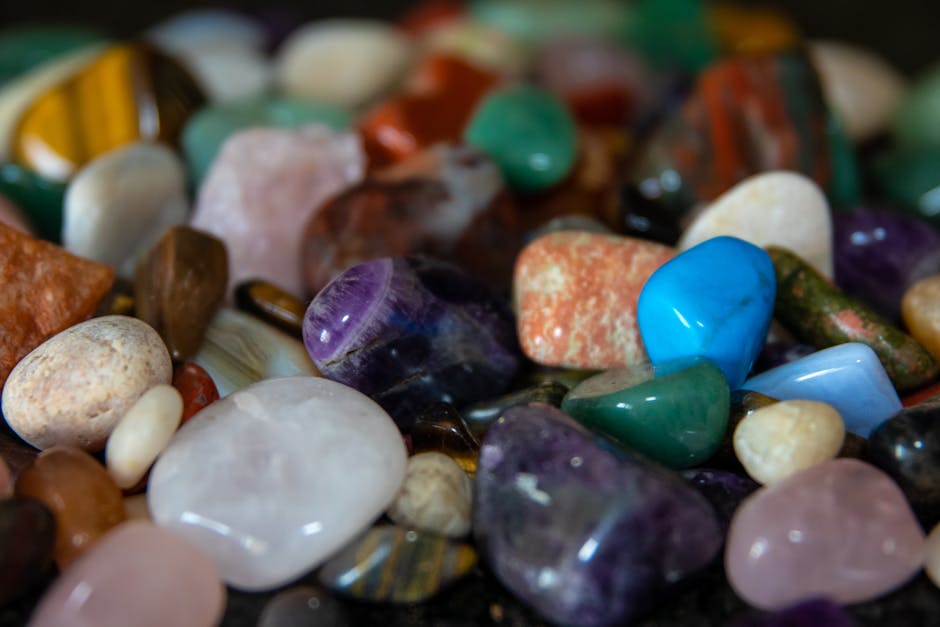
Mars rules: action, drive, anger, sex, courage, conflict, how you fight for what you want.
Positive expression: Well-aspected Mars is your ignition. You start the project, finish the workout, ask for what you want, defend yourself when needed. There’s healthy assertiveness without aggression, drive without burnout.
Shadow expression (when ill-aspected): Challenged Mars goes one of two ways. Either you can’t access your fire (passivity, freeze, chronic procrastination, can’t speak up) or your fire burns the wrong things (anger that blows up relationships, impulsive moves, accidents, irritability that doesn’t match the trigger).
Best crystal: Carnelian.
For natal Mars work: Natal Mars in tough aspect (especially Saturn squaring or Neptune dissolving) often shows up as low energy or disowned anger. Carnelian on the sacral chakra (lower belly) is the classic placement. Wear it as a bracelet or carry it when you need to push through resistance.
For Mars transits: Mars transits last about six weeks per sign. During Mars transits to your natal Mars or Sun, carnelian helps you channel the energy productively instead of erupting. Use it before workouts, before hard conversations, before any moment that needs courage.
If Mars is overactive: When Mars is overactive (rage, impulsivity, burnout from overwork), pair carnelian with amethyst or blue lace agate. You need cooling stones to balance the heat. Avoid stacking carnelian with red jasper or garnet during a Mars-overdrive period.
Chakra resonance: the Root chakra. Color signature: red and deep orange. Elemental quality: Fire. When you choose a secondary support stone for Mars, look for one in this color family or one that activates this chakra, and the planetary frequency will amplify.

Jupiter: The Wisdom Stone
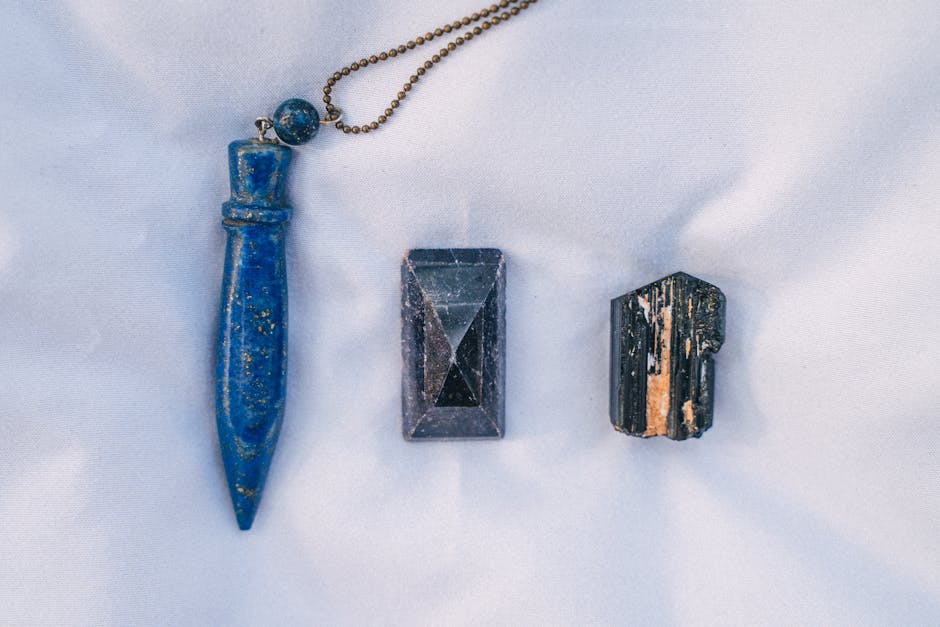
Jupiter rules: expansion, philosophy, higher learning, foreign travel, luck, optimism, the bigger picture.
Positive expression: Well-aspected Jupiter is your inner permission slip. You take the trip, sign up for the course, believe the future is workable. Wisdom accumulates without effort, generosity feels natural, and faith (in something) holds up under stress.
Shadow expression (when ill-aspected): Challenged Jupiter inflates the wrong things. Either you over-extend (debt, over-promising, taking on too much, magical thinking) or the opposite: cynicism, restricted worldview, refusing to learn anything new because you already know better.
Best crystal: Lapis Lazuli.
For natal Jupiter work: For Jupiter aspects in your chart, especially Jupiter/Saturn or Jupiter/Neptune, lapis on the third eye or worn as a pendant supports clear judgment. It’s the stone of the sage. Use it when you’re making decisions about education, religion, travel, or long-term direction.
For Jupiter transits: Jupiter spends roughly a year in each sign. During its transits through your natal chart, lapis helps you discern real opportunity from inflated promise. Particularly useful during Jupiter-Neptune contacts when everything looks mystically aligned but might just be wishful.
If Jupiter is overactive: When Jupiter is overactive (overconfidence, gambling, excess of any kind), pair lapis with hematite or black tourmaline to ground the inflation. You need a Saturn or Earth-ruled crystal to deflate the bubble before it pops on its own.
Chakra resonance: the Crown chakra. Color signature: royal blue and violet. Elemental quality: Fire / Air. When you choose a secondary support stone for Jupiter, look for one in this color family or one that activates this chakra, and the planetary frequency will amplify.

Saturn: The Boundary Maker
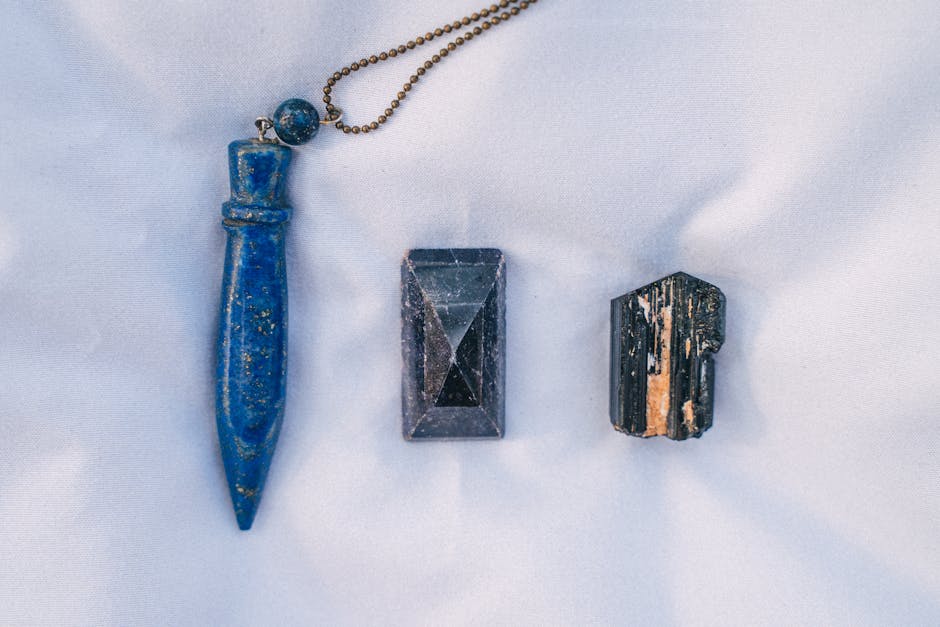
Saturn rules: discipline, structure, time, limits, authority, karma, what you have to build the hard way.
Positive expression: Well-aspected Saturn gives you backbone. You keep promises to yourself, follow through on hard projects, build slowly and well. Authority sits comfortably. You know your limits and respect them in others.
Shadow expression (when ill-aspected): Challenged Saturn is the planet of depression, rigidity, and chronic self-criticism. Either too much structure (workaholism, joylessness, fear of failure that prevents starting) or no structure at all (chronic underachievement, dropping every commitment, time anxiety).
Best crystal: Black Tourmaline.
For natal Saturn work: Natal Saturn placements that feel heavy, Saturn in the first house, Saturn squaring the Sun, Saturn in your tenth, benefit from black tourmaline carried daily. Place a piece between you and any authority figure, demanding boss, or critical parent. It absorbs the pressure.
For Saturn transits: Saturn transits last 2.5 years per sign and visit most natal placements multiple times. The Saturn return at age 28-30 is the classic. Keep black tourmaline at the entrance of your home and one in your bag during these years. Saturn transits ask for honesty about what you’ve built.
If Saturn is overactive: When Saturn is overactive (depression, isolation, no joy, self-punishment), pair black tourmaline with sunstone or carnelian. You need warmth and movement to balance the cold weight. Spend time outside in actual sunlight while wearing the combo.
Chakra resonance: the Root chakra. Color signature: black and dark gray. Elemental quality: Earth. When you choose a secondary support stone for Saturn, look for one in this color family or one that activates this chakra, and the planetary frequency will amplify.

Uranus: The Awakener

Uranus rules: sudden change, breakthroughs, freedom, innovation, rebellion, the lightning bolt of new perspective.
Positive expression: Well-aspected Uranus brings the genuine flash of insight. You see the system everyone else takes for granted and you can step outside it. Innovation, individuality, freedom, without the chaos.
Shadow expression (when ill-aspected): Challenged Uranus is disruption without integration. Sudden breakups, jobs ending unexpectedly, identity flips that feel like losing yourself, restlessness that won’t settle. Or the opposite: rigid resistance to any change at all.
Best crystal: Labradorite.
For natal Uranus work: For Uranus aspects in your chart, labradorite is the stone for moving through unpredictable change without losing your center. Wear it during identity transitions, career pivots, leaving relationships, gender expression shifts, big moves. It strengthens the aura against the static.
For Uranus transits: Uranus transits are the wildcards. The Uranus opposition at age 38-44 is the classic mid-life shake-up. Labradorite during these transits helps you stay grounded in your own intuition while everything around you reorganizes.
If Uranus is overactive: When Uranus is overactive (chronic disruption, can’t commit to anything, anxiety from too much change), pair labradorite with hematite or jet. You need heavy grounding stones to anchor the lightning so it can be useful instead of destructive.
Chakra resonance: the Third Eye chakra. Color signature: electric blue and turquoise. Elemental quality: Air. When you choose a secondary support stone for Uranus, look for one in this color family or one that activates this chakra, and the planetary frequency will amplify.

Neptune: The Mystic
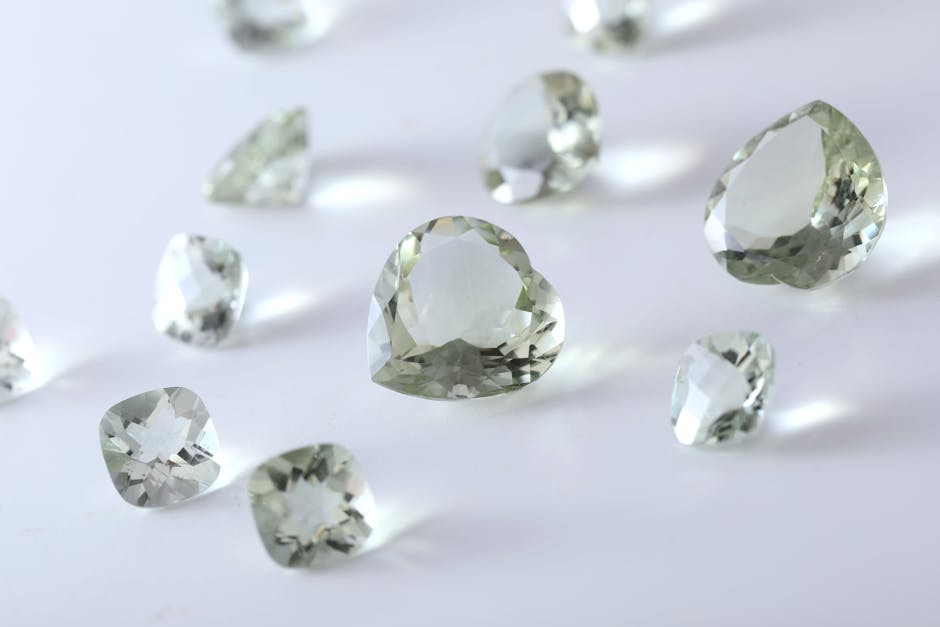
Neptune rules: dreams, intuition, mysticism, the dissolving of boundaries, art, spiritual longing, escape.
Positive expression: Well-aspected Neptune dissolves the right walls. Compassion comes naturally, art flows, dreams carry meaning, you can sit with mystery. Spiritual practice deepens without becoming bypassing.
Shadow expression (when ill-aspected): Challenged Neptune is the foggy planet. Confusion that doesn’t clarify, addictions that numb instead of transcending, illusion in relationships, victim or savior dynamics, chronic disorientation about who you are or what you actually want.
Best crystal: Aquamarine.
For natal Neptune work: For natal Neptune aspects to personal planets, especially Neptune squaring your Sun, Moon, or Mercury, aquamarine at the throat anchors honest perception. It cuts through fog without killing intuition. Wear it daily if you tend toward escapism or self-deception.
For Neptune transits: Neptune transits last years. The Neptune square at age 41-42 and the opposition at 80+ are the major life passages. Aquamarine during Neptune transits helps you stay in honest contact with reality while the planet is asking you to surrender something.
If Neptune is overactive: When Neptune is overactive (dissociation, addiction, codependency, lost in fantasy), pair aquamarine with hematite, smoky quartz, or black tourmaline. Strong grounding stones are non-negotiable during Neptune overflow.
Chakra resonance: the Crown chakra. Color signature: sea green and violet. Elemental quality: Water. When you choose a secondary support stone for Neptune, look for one in this color family or one that activates this chakra, and the planetary frequency will amplify.

Pluto: The Transformer

Pluto rules: transformation, death and rebirth, power, shadow work, the unconscious, what must end.
Positive expression: Well-aspected Pluto is profound regeneration. You can do hard psychological work without breaking. Power feels honest, not coercive. The capacity to grieve, release, and rebuild is intact.
Shadow expression (when ill-aspected): Challenged Pluto runs the shadow program. Power struggles, control issues, obsession, manipulation (yours or aimed at you), inability to let go of what’s already dead. Or the opposite: chronic powerlessness, unable to claim your own authority.
Best crystal: Black Obsidian.
For natal Pluto work: Natal Pluto contacts to personal planets show where you do shadow work in this lifetime. Black obsidian on the altar during deep psychological work is the classic Pluto stone. Use it for journaling sessions, therapy days, ancestral work, or any process of facing what you’d rather not.
For Pluto transits: Pluto transits to natal planets last years and rearrange the foundation of whatever they touch. Black obsidian during Pluto transits is for cord-cutting, shadow integration, and surviving what the transit is asking you to bury. Use it sparingly, it’s intense.
If Pluto is overactive: When Pluto is overactive (depression, despair, locked in shadow, can’t access lightness), pair black obsidian with rose quartz or selenite. You need stones of pure light to balance the underworld work. Don’t sleep with black obsidian under your pillow during heavy transits.
Chakra resonance: the Root chakra. Color signature: black and deep red. Elemental quality: Water. When you choose a secondary support stone for Pluto, look for one in this color family or one that activates this chakra, and the planetary frequency will amplify.

How to Use Planet Crystals
There are five reliable ways to work with a planet crystal. None of them require you to be precious about it.
1. Wear it. The most consistent practice. Pendant near the relevant chakra (Sun → solar plexus, Moon → heart, Mercury → throat, etc), bracelet on the receiving (non-dominant) wrist, or pocket stone for daily contact. Repetition is the active ingredient.
2. Place it. On your nightstand for Moon work, on your desk for Mercury or Saturn work, on your altar for Pluto or Neptune work. The stone keeps emitting whether you’re touching it or not. Position the placement where you’ll see and remember it.
3. Hold it during the moment. Before a hard conversation (blue lace agate), before a workout (carnelian), during a meditation (amethyst, moonstone, celestite). Five minutes of held contact during a charged moment beats hours of passive ambient exposure.
4. Use it ritually. Mark the start of a transit by activating the crystal. Place it in moonlight on a relevant lunar phase, set an intention, and wear it consistently until the transit passes. Mark the end by cleansing it. Rituals create psychological scaffolding around the energetic work.
5. Stack with care. You can wear or carry multiple planet crystals at once, but think about whether the planets work well together first. Sun and Moon balance. Mars and Saturn fight. Venus and Mars are complementary. Pluto with anything light needs to be intentional. When in doubt, work with one planet crystal at a time and add others only when you understand what each one is doing.
When a Planet Is Ill-Aspected
When astrologers say a planet is “ill-aspected,” they mean the planet is in a stressful geometric relationship with another planet, usually a square (90°) or opposition (180°). The energy of the planet is still there, but it’s blocked, distorted, or running too hot.
Crystals don’t fix ill aspects. The aspect is part of your chart for life (if natal) or for the duration of the transit (if moving). What crystals can do is help you metabolize the energy of the aspect rather than be flattened by it. Two principles guide the work.
Add the missing element. If your Mars is squared by Saturn (fire blocked by earth/structure), you need carnelian to keep the fire alive AND black tourmaline to honor the structural lesson. You don’t pick one. You hold both and let your body learn to work with both at once.
Buffer the overflow. If your Moon is squared by Pluto (emotion intensified by underworld pressure), moonstone alone won’t do it. Add hematite or smoky quartz to ground the overflow. Add rose quartz to soften the intensity. Crystals work best in combinations when the planet is overworking.
For transits, set a clear start and end. Begin the practice when the transit comes within a degree or two of exact, hold it until the transit passes, then close the practice with a cleansing ritual. The discipline of marking the timeline is half the medicine. Saturn in particular respects boundaries, including the boundaries you set around your own practice.
If you’re new to all of this, start with one tool: identify the most challenging transit you’re in right now (or the natal placement that gives you the most trouble), pick the one crystal listed for that planet, and wear it daily for a full lunar cycle. Track what shifts. Then add a second crystal if needed.
Working with Retrograde Periods
Retrograde means a planet appears to move backward from Earth’s perspective. Energetically, the planet’s themes turn inward. It’s a review period. Old projects resurface, ex-relationships make contact, decisions you thought were settled come back up for renegotiation.
Three planets retrograde frequently and matter for daily life: Mercury (3-4 times a year, communication and travel get glitchy), Venus (every 18 months, relationships and finances under review), and Mars (every two years, drive and motivation feel inverted).
The outer planets, Jupiter, Saturn, Uranus, Neptune, Pluto, retrograde for months at a time every year. Their retrogrades aren’t crises; they’re slow internal recalibrations. You’ll usually only feel them when they touch a sensitive natal placement.
The crystal practice for any retrograde is the same: wear the planet’s stone for the duration of the retrograde. Use it to support the kind of work the retrograde is asking for (review, revision, completion of unfinished business, internal recalibration). Don’t try to push forward against the retrograde direction. Use it to do the inward work the planet is offering.
Frequently Asked Questions
Can I use one crystal for multiple planets?
Some crystals show up in more than one planetary tradition. Aquamarine works for both Mercury (clear communication) and Neptune (mystic intuition). Citrine fits the Sun (vitality) and Jupiter (expansion). Use the crystal for whichever planet is most active for you right now. Tradition has overlap, and that’s fine.
How long do I need to work with a planet crystal to feel a difference?
For transit work, you’ll usually notice something within the first lunar cycle (about 28 days) of consistent daily wear. For natal placements, the recalibration is slower, three to six months of consistent practice before the felt sense shifts. Don’t expect overnight rewiring of a lifelong pattern.
What if I don’t know my birthchart?
Start with what you can observe. Notice which planet’s themes you struggle with most, communication problems (Mercury), confidence issues (Sun), boundary problems (Saturn), drive problems (Mars), and so on. Pick the crystal for that planet and start there. You can pull your full chart later for free at astro.com or any astrology app.
Do I need to cleanse planet crystals between transits?
Yes, especially after intense transits with Saturn, Pluto, or Neptune. These planets ask the crystal to absorb a lot of energy. Cleanse with running water, moonlight overnight, or selenite for several hours before storing. A used Pluto crystal carried into a Venus transit will confuse the work.
Can crystals replace astrological consultations?
No, and they’re not meant to. Crystals are tools for working with energy you’ve already identified. If you want to know what’s happening in your chart, see an astrologer. If you want to support yourself through what’s happening, use crystals. The two practices complement each other.
Are some planets too intense for crystal work?
Pluto and Neptune are the heaviest planets to work with. Pluto crystals (black obsidian especially) can stir up grief, rage, or shadow material that’s too much for casual practice. Neptune crystals can deepen disorientation if you’re already prone to dissociation. If you’re working with these planets and feel destabilized, scale back, ground heavily, and consider working with a therapist alongside the crystal practice.
Should I wear my Sun sign’s crystal or my Sun planet’s crystal?
Different traditions, both useful. Zodiac sign crystals address the qualities of your sun sign (Aries fire, Cancer tenderness, etc). Planet crystals address the planetary frequency itself (Mars action, Moon emotion). Use sign crystals for the personality flavor, planet crystals for the underlying energetic channel. They stack well.
The Bottom Line
Planetary crystal work is long-form practice, not a quick fix. You’re not going to read this guide and feel differently tomorrow. You’re going to pick the planet that’s loudest in your life right now, work with its crystal for a full lunar cycle, notice what shifts, and come back for the next one. The whole system unfolds one planet at a time.
If you want a starting point and you haven’t decided yet, start with Clear Quartz. It’s the right first stone because it amplifies any planetary intention, making it the most versatile starting crystal if you’re not sure which planet to work with first. Work with it for a full lunar cycle, and let the rest of this list wait until a specific situation calls for something else.
If you’re not sure which planet is most active for you, the Sun is always a safe starting point: identity is foundational. For the full picture of how planet crystals pillar fits with everything else moving through your chart, see our Sun Crystals guide.
Sources & References
- Hall, Judy. “Crystals for Energy Healing: A Practical Sourcebook of 100 Crystals.” Fair Winds Press, www.amazon.com.
- Gienger, Michael. “Crystals for Psychic Self-Defense.” Earthdancer Books, www.amazon.com.
- Greene, Liz. “Saturn: A New Look at an Old Devil.” Weiser Books, 2011.
- “Citrine Description.” Gemological Institute of America, www.gia.edu.
- “Moonstone.” Mindat.org, www.mindat.org.
- “Tourmaline Group.” Mindat.org, www.mindat.org.
- “Obsidian.” Mindat.org, www.mindat.org.
Last Updated on April 19, 2026
We may earn a commission from links on this page at no extra cost to you. This helps us keep CrystalsAlchemy running.
This article was originally published on