
12 Green Crystals: Meanings, Properties & Healing Uses
Green crystals are the heart of the mineral kingdom — both literally and energetically. They are the stones of heart chakra healing, growth, abundance, fertility, and the kind of slow, steady prosperity that compounds over time. Where red crystals ignite passion and blue stones calm the mind, green crystals do the quiet work of opening you to love, opportunity, and the natural world’s rhythms.
From emerald, the queen of green and Cleopatra’s personal obsession, to moss agate, the gardener’s stone with fossilized ferns trapped in chalcedony, this color family carries the energy of growth itself. Many of the most famous green crystals — emerald, malachite, jade, peridot — have been traded across continents for thousands of years as talismans of luck, fertility, and abundance. Others like moldavite arrived from outer space, the result of a meteor impact 15 million years ago.
This guide covers the 12 most powerful green crystals and how to use them — whether you are attracting prosperity, healing a broken heart, or building emotional resilience. Each crystal in this collection has its own personality, history, and energetic specialty. Use the comparison chart below to find the right stone for your specific intention, or read the full profiles to understand the depth that makes green crystals one of the most versatile color families in the mineral kingdom.

Heart Chakra (Anahata)
Earth, Water
Venus, Mercury
Key Healing Properties
- Heart chakra opening and emotional healing
- Attracting prosperity, abundance, and good luck
- Growth, fertility, and new beginnings
- Connection to nature and earth’s healing rhythms
- Romantic love, fidelity, and relationship harmony
- Physical heart health and circulation support
Green Crystal Comparison Chart
Each green crystal carries a different specialty within the heart chakra family. Use this quick-reference table to find the right stone for your intention:
The Best Green Crystals and Their Meanings
1. Emerald — The Stone of Successful Love

Emerald is the queen of green crystals — a member of the beryl family with a history that stretches back to ancient Egypt, where Cleopatra famously claimed all emerald mines as her personal property. As the Taurus birthstone and the traditional birthstone for May, emerald has been worn as a talisman of love, loyalty, and abundance for over 4,000 years.

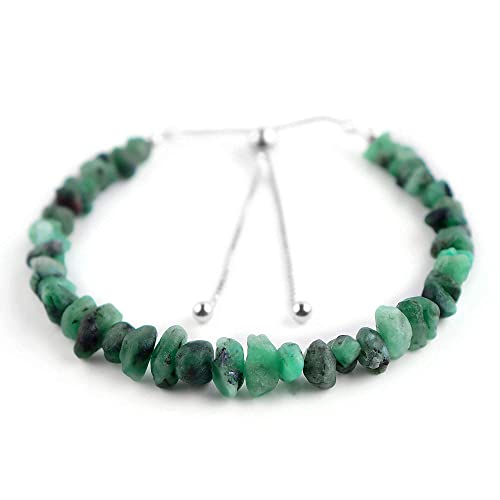
In healing work, emerald opens the heart chakra with a precision few other stones can match. It is the stone you reach for when you want to attract or deepen romantic love, heal grief from a broken heart, or rebuild trust after betrayal. Practitioners also use emerald to strengthen memory, sharpen mental clarity, and support eyesight — uses recorded in medieval lapidaries and still recommended today.
💎 Premium Emerald Collection
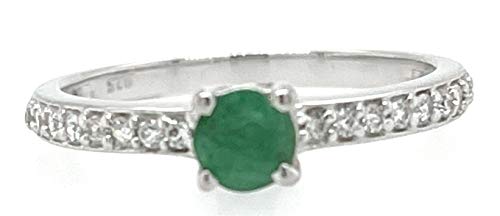
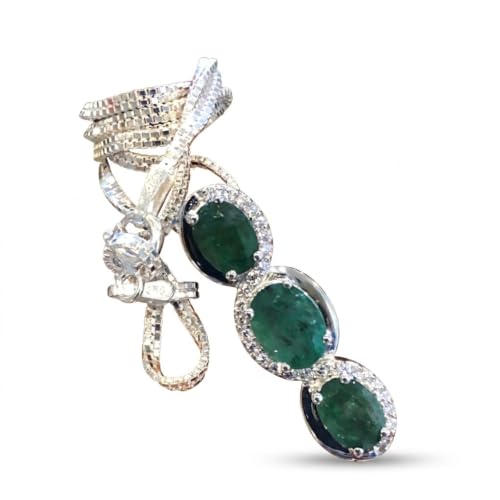
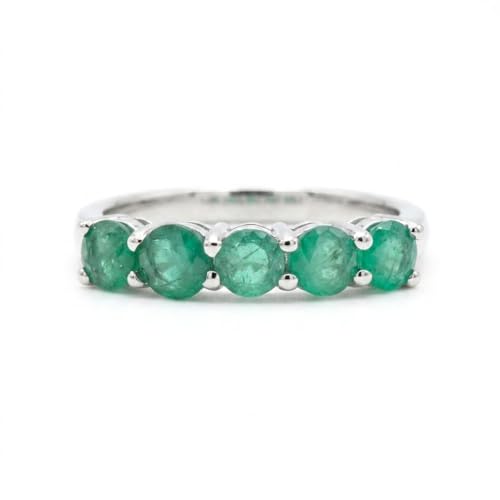
Natural Rocks by Kala — Sterling Silver & Genuine Emerald
Handcrafted 925 sterling silver jewelry with natural emerald gemstones


Historical note: ancient Romans believed emerald could reveal lies and protect against deception, which is why Roman emperors had emerald rings carved with their own portraits — the stone supposedly amplified truthful intentions while warning the wearer of treachery.
2. Moldavite — The Stone of Cosmic Transformation

Moldavite is not technically a crystal — it is a tektite, formed roughly 15 million years ago when a meteorite slammed into what is now southern Germany and the Czech Republic. The impact vaporized terrestrial rock, hurled it skyward, and froze it mid-flight into the bottle-green glass we now call moldavite. Every piece on Earth comes from a single strewn field in the Bohemian region.


In modern practice, moldavite has earned a reputation as the most intense crystal you can work with — practitioners report rapid life changes, vivid dreams, energetic body sensations, and a sense of being “fast-tracked” toward whatever needs healing. It opens the heart chakra while simultaneously activating the third eye, which is why beginners are often advised to pair it with a grounding stone like black tourmaline or hematite.
Authenticity warning: real moldavite is becoming rare and expensive, and the market is flooded with green glass fakes. Look for the characteristic spider-web etching pattern on the surface, request a certificate of authenticity, and buy only from reputable dealers — never from anonymous crystal sellers on social media.


3. Green Aventurine — The Stone of Opportunity

Green aventurine is the gambler’s stone — and not just metaphorically. Practitioners traditionally carry a piece in their left pocket before any situation involving chance, competition, or opportunity, because aventurine is believed to literally tilt luck in the wearer’s favor. The name comes from the Italian “a ventura” (by chance), referencing the lucky discovery of aventurine glass in 18th-century Murano.

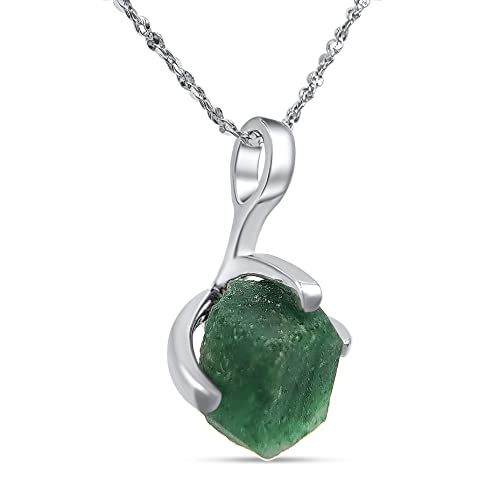
Beyond luck, aventurine is one of the gentlest heart chakra healers in the green family. It soothes anger, releases old emotional patterns, and opens you to the kind of opportunity that requires emotional readiness — a job promotion, a new relationship, a creative breakthrough. Pair it with other luck crystals like citrine and jade for a complete prosperity grid.


Geological note: green aventurine is a variety of quartz that gets its color from inclusions of fuchsite (a chromium-rich mica). Those microscopic platelets also give the stone its signature shimmer, called aventurescence — a glittery effect you can see when polished aventurine catches the light at the right angle.
4. Malachite — The Stone of Transformation

Malachite is unmistakable — those swirling concentric bands of light and dark green are unlike anything else in the mineral kingdom. Each piece tells the story of how it formed: a copper carbonate that grew slowly in the oxidation zones of copper deposits, layer by layer over thousands of years. The result is a stone that looks like a frozen kaleidoscope.


In healing tradition, malachite is the shadow-work stone. It is famous for surfacing whatever you have buried — old wounds, suppressed anger, patterns you have been avoiding — and bringing them into the light to be processed. This is not always comfortable, which is why some practitioners call malachite “the truth stone.” Use it with intention, ideally alongside protective black crystals and a clear head.
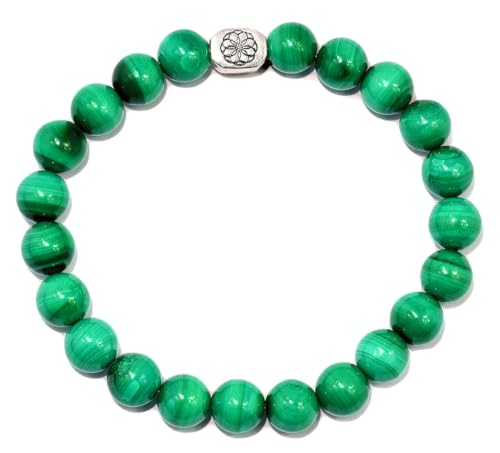


Safety note: raw malachite contains copper and should never be soaked in water, used to make crystal elixirs, or handled extensively if powdered. Polished, sealed malachite jewelry is safe for normal wear, but always wash your hands after handling rough specimens.
5. Jade — The Dream Stone of Fidelity

Jade has been treasured in China for over 7,000 years — longer than any other gemstone in any culture. The Chinese believed jade embodied the five virtues of Confucian philosophy: charity, modesty, courage, justice, and wisdom. Imperial green jade was reserved for emperors, and to this day jade remains the most culturally significant stone in East Asian tradition.

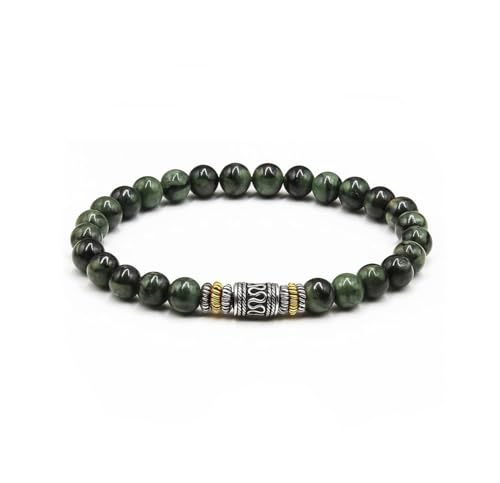
There are actually two distinct minerals sold as “jade” — jadeite (the rarer, harder, more vibrant green variety) and nephrite (softer, more abundant, with a creamier color). Both carry similar metaphysical properties: they are stones of fidelity, longevity, harmony, and the kind of slow, sustainable wealth that builds across generations. Jade is also known as “the dream stone” for its ability to enhance vivid, meaningful dreams and dreamwork.
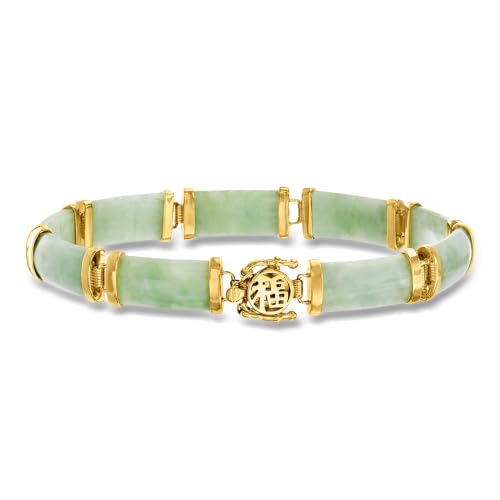
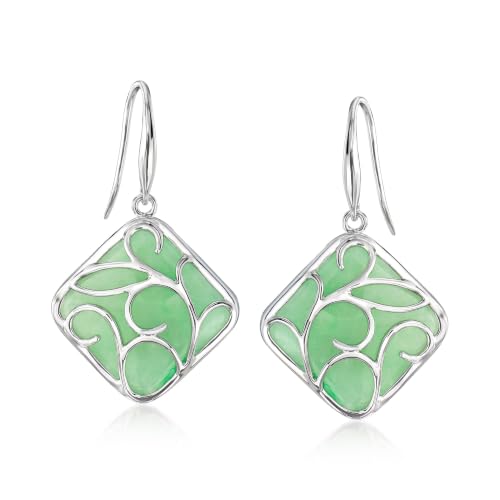

Cultural note: jade is the traditional 12th anniversary gift in Chinese culture and a common Lunar New Year present, symbolizing wishes for the recipient’s prosperity and long life. A jade bracelet is also believed to protect the wearer — Chinese tradition holds that if your jade bangle breaks, it absorbed an injury or misfortune meant for you.
6. Peridot — The Stone of Renewal

Peridot is one of only two gemstones formed not in the Earth’s crust but in its mantle — pushed to the surface by volcanic eruptions. Some peridot has even arrived from outer space, found inside meteorites called pallasites. As the August birthstone, peridot was prized by ancient Egyptians who called it “the gem of the sun” and mined it from the volcanic island of Zabargad in the Red Sea.
Energetically, peridot is the stone of fresh starts and emotional renewal. It releases old patterns of jealousy, resentment, and self-criticism, replacing them with confidence and optimism. Practitioners use it to mark life transitions — a new job, a move, the end of a difficult relationship — and to support the courage required to begin again.


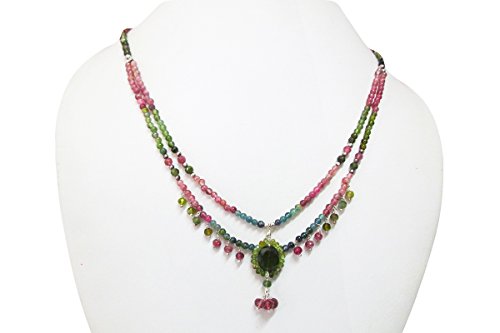
7. Green Tourmaline — The Healer’s Stone

Green tourmaline — also called verdelite — is the master heart healer of the green crystal family. Unlike emerald, which works on emotional love, or aventurine, which works on opportunity, green tourmaline addresses the physical and energetic heart: circulation, blood pressure, the thymus gland, and the immune system. Practitioners often place it directly over the chest during healing sessions.
Tourmaline is also one of the few minerals that becomes electrically charged when heated or compressed — a property called pyroelectricity that ancient cultures noticed and attributed to magic. Green tourmaline’s energy is steady and nourishing, making it ideal for daily wear when you need ongoing emotional and physical support.

8. Amazonite — The Stone of Truth

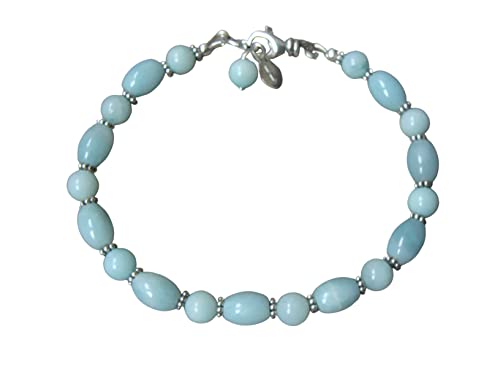
Amazonite is technically a green-blue feldspar (microcline), and despite its name, it has no proven connection to the Amazon River — the name was coined in the 18th century based on a mistaken identification. The actual ancient sources are in Egypt, Russia, and the Pikes Peak region of Colorado, where some of the largest gem-quality crystals are still mined today.
Amazonite is the truth-teller of the green family. It works simultaneously on the heart and throat chakras, helping you speak honestly without defensiveness or fear. Use it before difficult conversations, public speaking, or any situation where you need to set boundaries clearly. Many practitioners also use it to filter electromagnetic stress from phones and computers.

9. Chrysoprase — The Stone of Joy

Chrysoprase is the apple-green variety of chalcedony, getting its color from trace amounts of nickel. It was Alexander the Great’s favorite stone — he reportedly wore a chrysoprase belt into every battle and lost it crossing the Euphrates River, after which (according to legend) his luck began to fail. The Romans carved chrysoprase intaglios; the Victorians used it in mourning jewelry alongside jet.
Modern healers use chrysoprase to lift depression, ease grief, and reconnect people to a sense of childlike joy. It is one of the most uplifting heart chakra stones — gentler than emerald, more emotionally focused than aventurine. Carry it during periods of low mood or when you need to remember how to laugh without effort.


10. Green Calcite — The Stone of Mental Healing

Green calcite is one of the softest crystals in the green family (Mohs 3) — soft enough to scratch with a coin, which is why you rarely see it set in jewelry. Its mint-to-deep-green color comes from chlorite or chromium impurities in calcium carbonate. Unlike harder green stones, green calcite is bought as raw chunks or polished palm stones for direct hand contact.
Practitioners value green calcite as a mental healer. It is the stone you reach for when overthinking has taken over — when your mind is stuck in rumination, anxiety loops, or paralysis-by-analysis. Hold a piece in each hand for ten minutes and let the heaviness of the stone do its work. Calcite is also believed to help money flow, which is why it sometimes appears in money grids alongside citrine and pyrite.


11. Bloodstone — The Warrior’s Courage Stone

Bloodstone — also called heliotrope — is dark green chalcedony spotted with red iron oxide inclusions that look like droplets of blood. Medieval Christians believed it was created at the crucifixion when drops of blood fell on green jasper at the foot of the cross, and it was used to carve relics throughout the Middle Ages. Roman soldiers carried bloodstone into battle as a charm against wounds.
In modern healing, bloodstone is the courage and vitality stone — used to support physical endurance, recovery from illness, blood-related issues, and the willpower required to keep going through difficult times. It is the traditional birthstone for Aries, the warrior sign, and remains a staple in athletic and recovery-focused crystal practice.


12. Moss Agate — The Gardener’s Stone

Moss agate is not technically agate (which has banding) — it is a translucent chalcedony with dendritic mineral inclusions that look exactly like fossilized moss or fern. Those green “plants” are actually manganese and iron oxides that grew through the silica matrix as it formed, creating a stone that looks like a microscopic forest trapped in glass. No two pieces are alike.
Earning its nickname “the gardener’s stone,” moss agate is the most earth-connected of the green crystals. Practitioners bury small pieces near plants to encourage growth, carry it during nature walks, or use it during work that requires patience and slow progress. Like its visual aesthetic suggests, moss agate teaches that growth happens in layers — and that abundance often arrives quietly. See our complete moss agate guide for more.


What Makes Crystals Green?
Green is one of the most common natural mineral colors, and it comes from a small handful of elements doing the same trick across very different crystal structures. The dominant culprits are chromium, iron, nickel, copper, and vanadium — trace elements that absorb specific wavelengths of red and yellow light, leaving green to reflect back.
In emerald, the vivid green comes from chromium and vanadium impurities in beryl. The same beryl crystal structure produces aquamarine when it contains iron instead, or pink morganite when it contains manganese — proving that the color of a crystal often has more to do with trace contaminants than the main mineral itself. Green tourmaline (verdelite) gets its color from iron, while peridot is colored by iron within a magnesium-iron silicate that formed in the earth’s mantle.
Malachite’s rich banded green comes from copper carbonate — and that copper content is also why malachite must never be soaked in water or ground into powder. Chrysoprase gets its apple-green hue from nickel, jade (jadeite) from chromium and iron, and amazonite from lead impurities within microcline feldspar. Moss agate’s dendritic patterns are made of manganese and iron oxides that grew through the silica matrix as the stone formed.
Moldavite is the outlier of the group: it is not technically a crystal at all but a tektite — natural glass formed when a meteorite impact 15 million years ago vaporized terrestrial rock and froze it mid-flight. Its bottle-green color comes from iron and a chaotic glass structure unlike any earth-formed mineral. The diversity of mechanisms producing green is why this color family includes such an astonishing range of textures, hardness, and metaphysical specialties.
Our Top Pick

How to Use Green Crystals
Heart-opening meditation. Lie down and place a green crystal — emerald, aventurine, or rose-and-green combinations — directly over your heart chakra. Breathe slowly into the chest. Visualize green light expanding outward with each exhale. This is the fastest way to activate heart energy after grief, betrayal, or emotional overwhelm.
Prosperity grid. Place a piece of jade, green aventurine, and citrine in a triangle on your desk, money corner (Bagua wealth area), or near your front door. This combines green growth energy with citrine’s active manifestation pull. Recharge monthly with sound or moonlight.
Garden and plant work. Bury small pieces of moss agate or green calcite around houseplants and garden beds. Many practitioners report stronger growth and better fruit set. The earth connection of green crystals literally supports green growing things — a tradition rooted in centuries of European folk practice.
Difficult conversations. Carry amazonite or chrysoprase in your pocket before tense conversations, public speaking, or boundary-setting moments. Both stones combine heart and throat energy, helping you speak honestly without defensiveness or fear. Pair with a grounding amazonite bracelet for all-day support.


Recovery and vitality. Hold bloodstone during periods of physical illness, fatigue, or recovery from injury. Place it over the chest or solar plexus for circulation and immune support. Bloodstone is also one of the few crystals traditionally used by athletes for endurance — the Roman soldiers carried it for a reason.
Sleep and dreamwork. Place jade or moss agate under your pillow to encourage vivid, meaningful dreams. Jade is specifically known as “the dream stone” in Chinese tradition, and many practitioners report unusual dream recall and lucid experiences after working with it for several nights. Combine with sleep crystals like amethyst for deeper rest.
Shop Green Crystal Bracelets
✨ Curated Crystal Collection
Green Crystal Bracelets from Energy Muse


🛒 Also Available on Amazon
Shop Green Crystal Jewelry


Frequently Asked Questions
What are green crystals good for?
Green crystals are the heart chakra healers of the mineral kingdom — they specialize in emotional healing, attracting love, prosperity, and abundance, fostering growth and new beginnings, and connecting you to the natural world. Each green crystal has its own specialty: emerald for romantic love, jade for longevity, aventurine for luck, malachite for transformation, and peridot for fresh starts. For daily heart chakra support, a grounding heart bracelet keeps the energy close.
Which green crystal is the most powerful for love?
Emerald is traditionally considered the most powerful green crystal for love — specifically romantic love, fidelity, and the kind of trust that survives long-term commitment. It has been used as a wedding gift for over 4,000 years and was believed by ancient Romans to reveal lies, making it especially valuable in relationships built on honesty. For gentler heart healing after grief or breakups, rose quartz paired with green aventurine is a softer combination.
Is moldavite really that intense?
Yes — moldavite has earned its reputation as the most intense crystal you can work with. Practitioners commonly report rapid life changes, vivid dreams, energetic body sensations, and a feeling of being “fast-tracked” toward whatever needs healing. This is not always comfortable. If you are new to moldavite, start by holding it for short periods (5-10 minutes) and pair it with a strong grounding stone like black tourmaline or hematite. Authenticity is also a serious concern — buy only from reputable dealers with a certificate of origin.
How do I cleanse green crystals?
Most green crystals respond well to earth-based cleansing methods: bury them in soil overnight (in a garden or potted plant) or place them on a selenite plate. Important exception: never soak malachite in water — its copper content makes it both physically and chemically unsafe in liquid. Avoid prolonged sun exposure for green calcite and chrysoprase, as their colors can fade. Smoke cleansing with sage or palo santo works for all green crystals.
What chakra do green crystals work with?
Green crystals primarily activate the heart chakra (Anahata), the energy center governing love, compassion, and emotional balance. Some green stones also work with secondary chakras: amazonite bridges the heart and throat chakras (truthful communication), peridot activates both the heart and solar plexus (emotional courage), and bloodstone connects the heart to the root chakra (vitality and grounding). The heart chakra focus makes green crystals essential for any emotional healing work.
Are green crystals good for money and prosperity?
Many of the most famous prosperity crystals are green: jade has been associated with wealth in Chinese tradition for thousands of years, green aventurine is known as “the gambler’s stone” for its luck-attracting properties, malachite is a traditional merchant’s talisman, and emerald represents abundance through long-term commitment and growth. For an active money grid, combine these green stones with citrine and pyrite. The Millionaire Mindset Necklace combines several of these in one wearable piece.
Related Crystal Guides
- Crystal Color Meanings: Complete Guide →
- Black Crystals and Their Meanings →
- Red Crystals and Their Meanings →
- Orange Crystals and Their Meanings →
- Yellow Crystals and Their Meanings →
- Blue Crystals and Their Meanings →
- Purple Crystals and Their Meanings →
- Pink Crystals and Their Meanings →
- White Crystals and Their Meanings →
- Brown Crystals and Their Meanings →
- Heart Chakra Crystals →
- Crystals for Money & Wealth →
- Crystals for Good Luck →
- Crystals for Anxiety →
- Moss Agate Meaning & Properties →
- Taurus Birthstone Guide (Emerald) →
- Leo Birthstone Guide (Peridot) →
- Aries Birthstone Guide (Bloodstone) →
- Best Crystals for Meditation →
- How to Cleanse Crystals →
Sources & References
- The Crystal Bible by Judy Hall. Walking Stick Press.
- The Encyclopedia of Crystals by Judy Hall. Fair Winds Press.
- The Book of Stones by Robert Simmons & Naisha Ahsian. North Atlantic Books.
- Crystal Muse by Heather Askinosie & Timmi Jandro. Hay House.
- Gemological Institute of America (GIA) — Gem Encyclopedia.
- Mindat.org — Mineral Database.
Last update on 2026-10-25 / Affiliate links / Images from Amazon Product Advertising API
We may earn a commission from links on this page at no extra cost to you. This helps us keep CrystalsAlchemy running.
This article was originally published on


