Best Crystals to Wear Every Day: 7 That Won’t Scratch, Fade, or Break (2026)
I’ll be straight with you: half the “best crystal to wear” guides online list 15 stones with zero mention of whether they’ll survive a week on your wrist. Selenite dissolves in water. Fluorite chips if you look at it wrong. And a shocking amount of crystal jewelry on Amazon is dyed glass on chains that turn your neck green.
After 10 years of wearing crystals daily — through workouts, showers I forgot to take them off for, and one memorable incident involving a car door — I’ve learned exactly which stones hold up as real, everyday jewelry and which ones belong on your nightstand.
The rule is simple: you want a Mohs hardness of 7 or above. That’s the hardness of quartz — the same mineral that makes up household dust. Anything softer gets scratched just by existing. Every crystal on this list meets that bar, looks stunning as jewelry, and carries the kind of energy that makes you actually want to put it on every morning.
Our 7 Picks at a Glance
| Crystal | Best For | Hardness | Best Jewelry Type | Price Range |
|---|---|---|---|---|
| Amethyst | Best Overall | 7 | Pendant, Ring, Bracelet | $15–$45 |
| Black Tourmaline | Protection & Grounding | 7–7.5 | Bracelet, Pendant | $12–$25 |
| Rose Quartz | Love & Self-Care | 7 | Pendant, Bracelet | $12–$35 |
| Tiger’s Eye | Courage & Confidence | 7 | Bracelet | $10–$18 |
| Citrine | Abundance & Motivation | 7 | Pendant, Ring | $15–$40 |
| Clear Quartz | Best for Beginners | 7 | Pendant | $10–$20 |
| Labradorite | Intuition & Change | 6–6.5 | Pendant, Earrings | $15–$35 |
The Best Crystals to Wear Every Day — Full Reviews
1. Amethyst — Best Crystal to Wear Overall
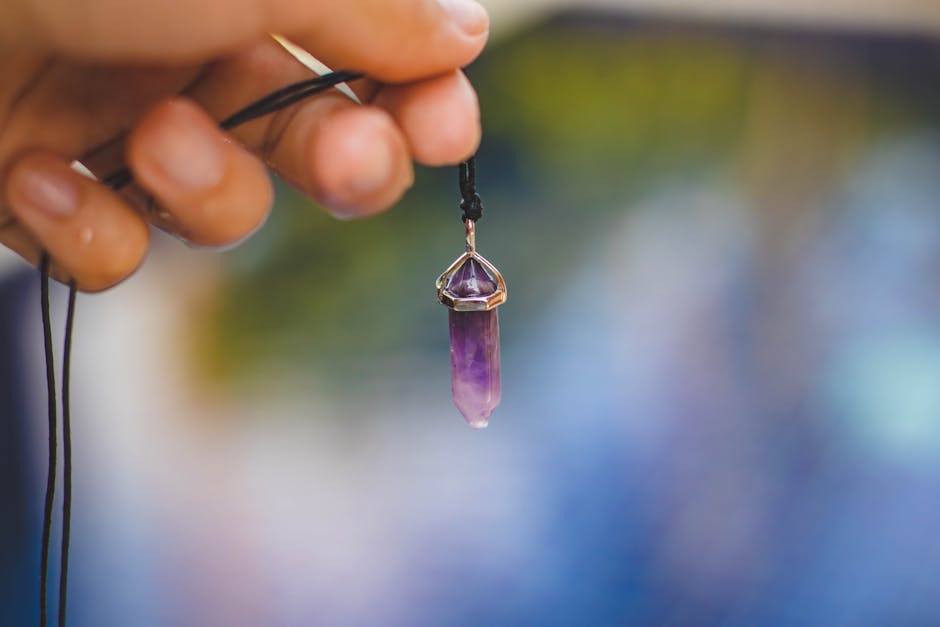
If you’re only going to wear one crystal, make it amethyst. It’s a 7 on the Mohs scale, which means it won’t scratch from normal wear. It resists fading better than most colored quartz varieties, and the purple color goes with literally everything — black, white, earth tones, even gold jewelry.
I’ve worn an amethyst pendant almost daily for six years. The reason it’s my top pick isn’t just durability — it’s versatility. Amethyst is the go-to stone for anxiety and stress, but it also works for focus, sleep, and spiritual connection. It’s the one crystal I recommend to someone who says “I don’t know what I need.”
What to buy: Look for a sterling silver amethyst pendant with a visible, deep purple stone — not translucent lavender, which is usually lower quality. Avoid raw chunks on thin cord; they’re heavy and the cord wears through. A faceted or cabochon-cut stone in a bezel setting is the most durable option for daily wear. Expect to pay $20–$40 for something that actually lasts.
Care tip: According to the GIA, amethyst can fade with prolonged exposure to intense light. Take it off for long days at the beach, but normal indoor and daily outdoor wear is perfectly fine.
2. Black Tourmaline — Best Crystal to Wear for Protection

If you work in a high-stress environment or you’re around draining people all day, black tourmaline is the crystal to wear. At 7–7.5 on the Mohs scale, it’s actually harder than amethyst, and its dark color hides everyday wear beautifully.
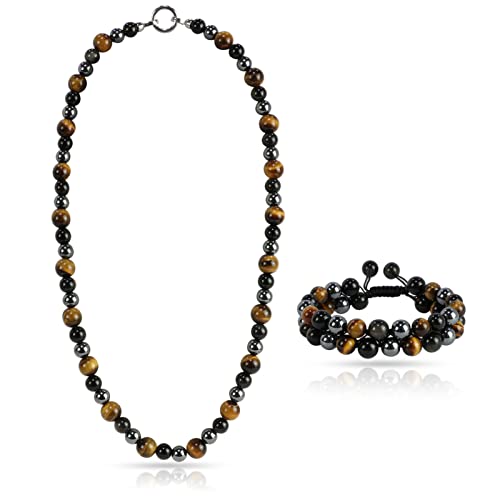
The “triple protection bracelet” — black tourmaline, tiger’s eye, and hematite beads on a stretch cord — has become the best-selling crystal jewelry format on Amazon for a reason. It works, it’s unisex, and it looks like a normal men’s or women’s accessory rather than screaming “I’m into crystals.”
What to buy: For bracelets, look for genuine 8mm or 10mm bead bracelets on double-strung elastic — single elastic snaps within months. For pendants, a Natural Black Tourmaline Pendant is more durable than raw stone on cord. The $12–$20 range gets you quality without overpaying.
3. Rose Quartz — Best Crystal to Wear for Love
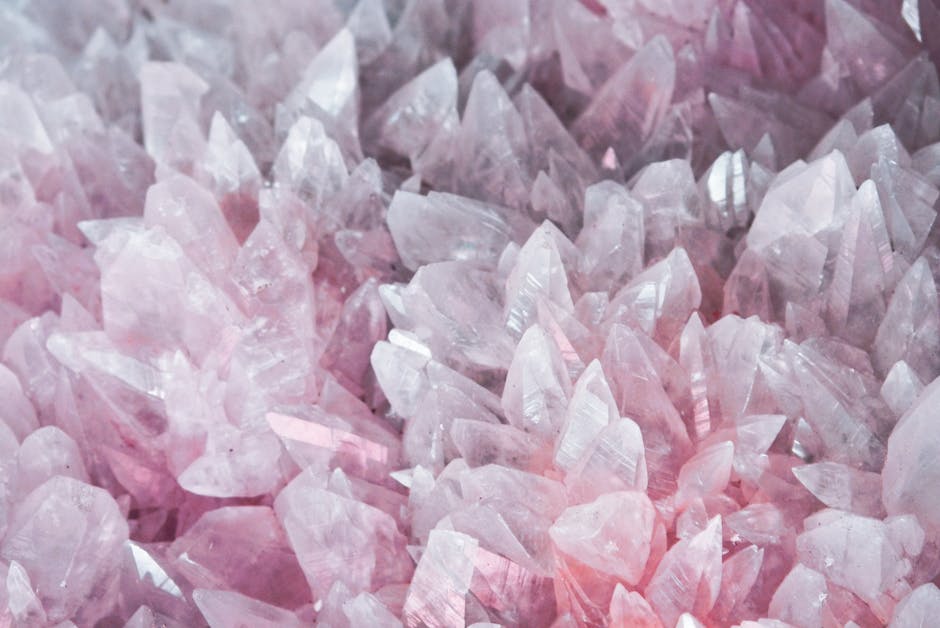
There’s a reason rose quartz is one of the most popular crystals in the world — it’s gentle, beautiful, and the soft pink color works as both a healing stone and a fashion piece. The Smithsonian notes that rose quartz gets its color from microscopic mineral inclusions, which gives each stone a unique, milky character.
Rose quartz is the classic stone for love — self-love, romantic love, and emotional healing after a breakup. I wear mine as a pendant that sits right over my heart chakra, which feels intentional without being over the top.
What to buy: Rose quartz looks best as a polished pendant on a gold-plated chain. Avoid raw rose quartz pendants — the stone is typically “cloudy” even when genuine, and raw chunks look cheap in jewelry. A smooth, tumbled or cabochon-cut stone in a simple setting is the sweet spot. Bead bracelets also work well and stack beautifully with other pink and white stones.
Best Crystal Pendants for Daily Wear
Hand-selected for durability, beauty, and quality settings.


4. Tiger’s Eye — Best Crystal Bracelet for Men
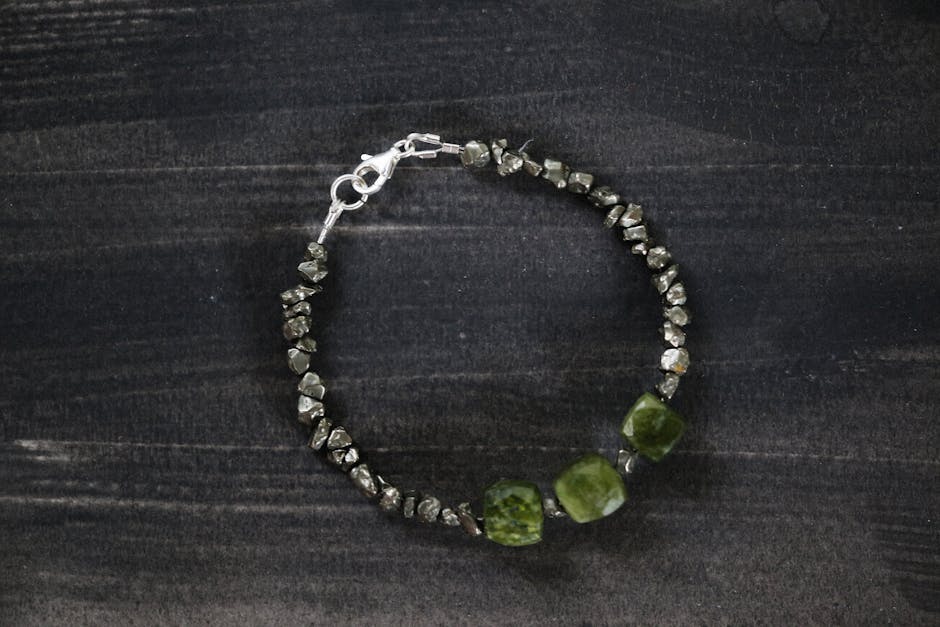
Tiger’s eye has a shimmering, banded look that resembles — well, a tiger’s eye. That chatoyancy (the silky, shifting light effect) makes it one of the most visually striking crystals you can wear, and the warm golden-brown color works with every skin tone.
It rates a solid 7 on the Mohs scale, handles sweat and daily wear without issue, and is one of the few healing crystals that genuinely appeals to men. The combination of tiger’s eye with black obsidian and hematite — the “triple protection” bracelet — dominates Amazon’s crystal jewelry bestseller list for good reason.
What to buy: Tiger’s eye shines (literally) as a beaded bracelet like the COLORFEY Triple Protection. Look for 8mm or 10mm natural beads — you’ll see the chatoyancy play across each bead as you move your wrist. If the beads all look identical with zero variation, they’re likely synthetic. Real tiger’s eye has visible bands and slight color differences between beads. Budget $10–$18 for a quality piece.
5. Citrine — Best Crystal to Wear for Abundance
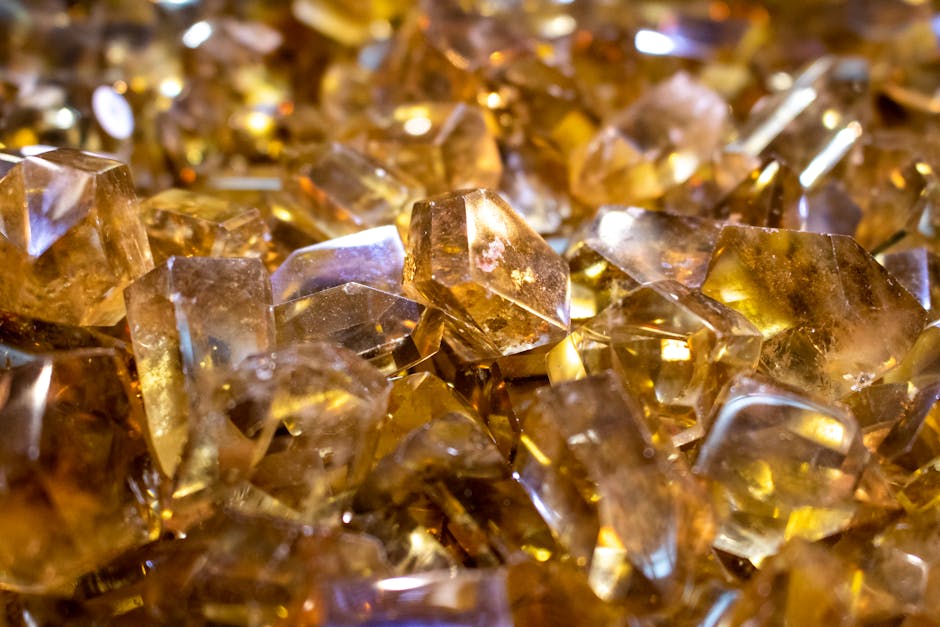
Here’s the thing about citrine: most of what’s sold online is heat-treated amethyst. Natural citrine is pale champagne to smoky yellow. If it’s bright orange or has a burnt ombré look, it’s been baked in an oven. That doesn’t mean it’s “bad” — it’s still quartz, still a 7 on the Mohs scale — but you deserve to know what you’re buying.
Genuine or heated, citrine is my favorite stone for abundance, motivation, and creative energy. I wear a small citrine pendant on days when I need to get things done. It’s the energetic opposite of amethyst — where amethyst calms, citrine activates.
What to buy: For the best value, look for citrine pendants in sterling silver settings If you want natural citrine (not heat-treated), expect to pay more — $30–$150+ for a pendant — and look for stones that are pale yellow, not vivid orange. The GIA notes that citrine can fade with prolonged intense light exposure, so a pendant worn under clothing or a ring are ideal for daily wear.
6. Clear Quartz — Best Crystal to Wear for Beginners
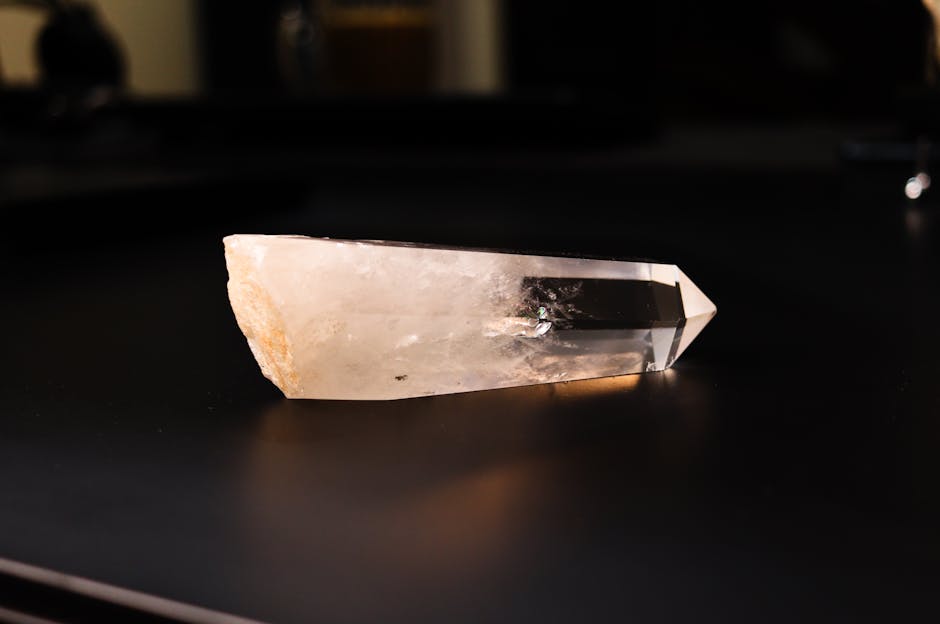
Clear quartz is the Swiss Army knife of crystals. It amplifies intention, pairs with everything, and is the most abundant mineral on Earth — which means it’s affordable and hard to fake (no one profits from counterfeiting something this common).
If you’re brand new to wearing crystals and feel overwhelmed by all the options, start here. It’s a 7 on the Mohs scale, completely transparent or slightly milky, and goes with every outfit and jewelry style. I often recommend clear quartz to clients who can’t decide — it’s like a blank canvas that adapts to whatever you need that day.
What to buy: The wire-wrapped hexagonal point pendant is the most popular clear quartz jewelry format — and one of the best-selling crystal necklaces on Amazon overall. A natural quartz point pendant like this VIBILIA necklace looks dramatic and runs just $10–$20. Check that the chain is sterling silver (stamped 925) or stainless steel — plated alloy chains discolor within weeks.
Top Crystal Bracelets We Recommend
Durable picks for daily wear — all rated 7+ on the Mohs scale.


7. Labradorite — Best Crystal to Wear for Intuition
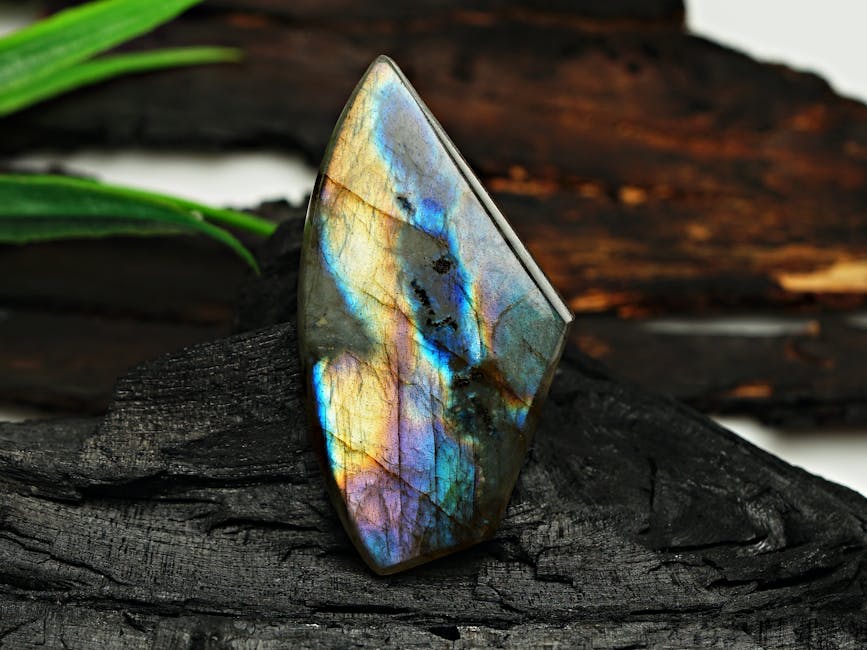
Labradorite is the wild card on this list — and my personal favorite for sheer beauty. When light hits the stone at the right angle, it flashes with iridescent blue, gold, and green fire (a phenomenon called labradorescence). No two stones look alike, which means your piece is genuinely one of a kind.
The honest caveat: Labradorite is 6–6.5 on the Mohs scale, slightly below the ideal threshold. It can scratch more easily than the other crystals on this list. That’s why I recommend it specifically as a pendant or earrings — not a ring or bracelet where it’ll get bumped and knocked against surfaces. Worn around your neck, it’s perfectly safe for daily use.
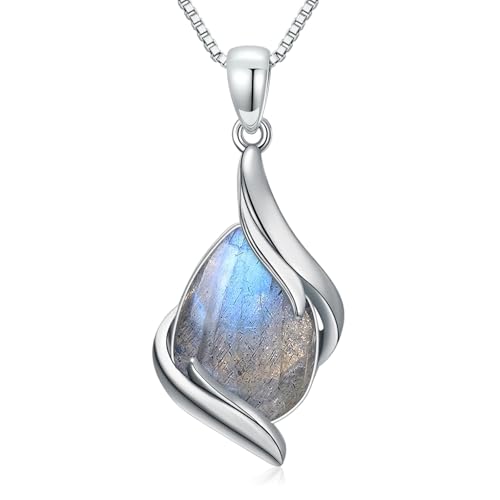
What to buy: Labradorite is all about the flash — so buy from a listing that shows the actual stone you’ll receive, not stock photos. Look for handmade labradorite pendants in sterling silver bezels that protect the stone’s edges. Cabochon cuts show off the flash best. Budget $15–$35 for a piece with strong iridescence.
How to Spot Fake Crystal Jewelry Before You Buy
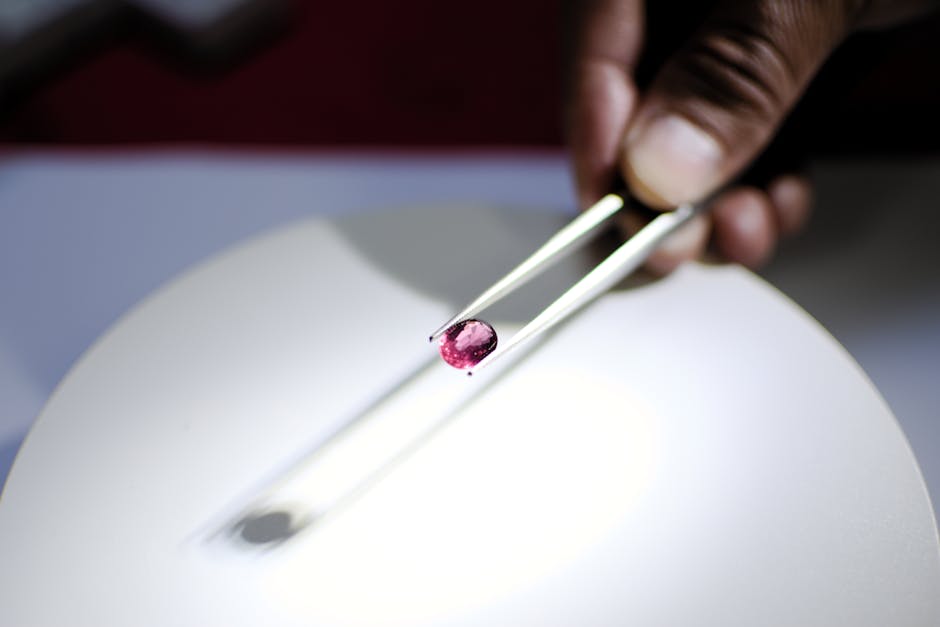
The crystal market has a counterfeiting problem, and knowing what’s real saves you money and frustration. Here are the red flags I look for:
- Too-perfect uniformity. If every bead in a bracelet is identical in color and pattern, it’s likely dyed or synthetic. Natural stones always have slight variations.
- Bright, saturated colors. Vivid orange “citrine,” electric blue “turquoise,” and deep cherry “quartz” are almost always dyed howlite or glass.
- Suspiciously low prices. A “sterling silver amethyst pendant” for $3.99 is not sterling silver, and that “amethyst” might be purple glass.
- No visible inclusions. Real crystals have tiny internal fractures, cloudiness, or mineral inclusions. If it’s flawless and perfectly clear, it’s probably glass.
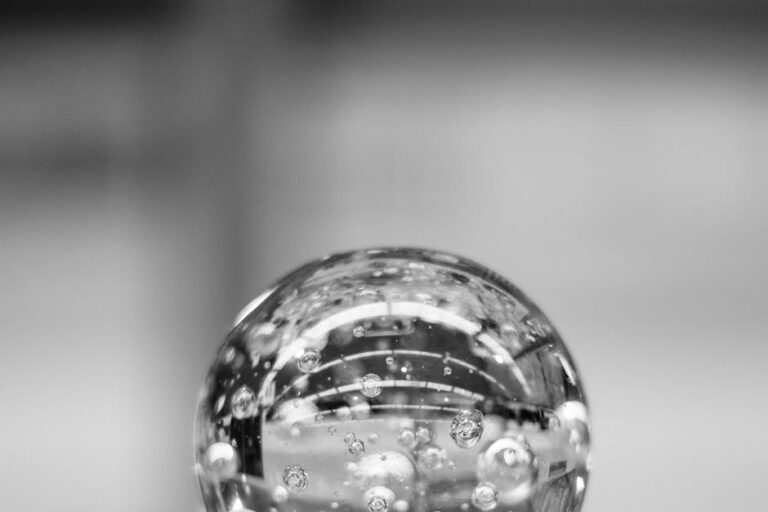
- Air bubbles. Hold the stone up to light. Tiny round bubbles = glass, not crystal.
The safest approach? Buy from sellers who disclose sourcing, show photos of the actual stone you’ll receive, and have reviews with customer photos. On Amazon, sort by customer reviews and read the 1–3 star ratings — that’s where you’ll find out if stones arrive looking nothing like the listing.
How to Choose the Right Crystal for You
Don’t overthink this. Here’s the quick version:
- For stress and anxiety: Amethyst — calming, versatile, works as any jewelry type
- For protection at work: Black tourmaline — absorbs negativity, incredibly durable
- For love and emotional healing: Rose quartz — gentle energy, beautiful as a pendant over the heart
- For confidence and motivation: Tiger’s eye — bold energy, great as a bracelet for men and women
- For abundance and career: Citrine — activating, best as a pendant or ring
- For starting out: Clear quartz — amplifies everything, affordable, impossible to fake
- For intuition and transitions: Labradorite — stunning, best as a pendant or earrings
And if you’re still stuck? Research shows that the meaning you attach to what you wear genuinely changes how you think and feel — a phenomenon psychologists call “enclothed cognition.” Pick the crystal whose intention resonates with you most right now. That’s the right one.
Necklace, Bracelet, or Ring? Which Jewelry Type to Pick
The type of jewelry matters more than most people realize — both for durability and for how the crystal interacts with your body.
Pendants and necklaces are the safest option for daily crystal wear. They hang freely (no impact from surfaces), sit near your heart and throat chakras, and work for every crystal on this list. If you’re buying your first piece, start with a pendant.
Bracelets take the most abuse — they knock against desks, doorframes, and keyboards all day. Only wear crystals rated 7+ as bracelets. Black tourmaline, tiger’s eye, amethyst, and rose quartz all handle it well. Look for bead bracelets on double-strung elastic or adjustable cord — single elastic snaps within a few months of daily wear.
Rings get the hardest wear of all. The International Gem Society recommends only stones rated 7+ for rings, and ideally in bezel settings (where the metal wraps around the stone) rather than prongs. Amethyst and citrine work well as rings. Skip labradorite rings entirely.
Crystals to Avoid Wearing Daily
Not every popular crystal belongs in jewelry. These are beautiful stones, but they don’t hold up to daily wear — keep them on your desk or nightstand instead:
- Selenite (Mohs 2) — Dissolves in water. Will disintegrate from sweat alone.
- Fluorite (Mohs 4) — Chips and cracks easily. Beautiful but fragile.
- Celestite (Mohs 3–3.5) — Far too soft for any jewelry.
- Opal (Mohs 5.5–6) — Cracks from temperature changes and dehydration.
- Malachite (Mohs 3.5–4) — Soft, and contains copper that shouldn’t contact skin when the stone is raw or damaged.
- Lepidolite (Mohs 2.5–3) — Flakes and crumbles. Not jewelry-grade.
If you love any of these crystals, keep them as palm stones, towers, or display pieces — they work just as well energetically without the wear risk.
Crystal Jewelry Gift Ideas
Beautiful sets and statement pieces — perfect for gifting or treating yourself.

Frequently Asked Questions
Can you wear crystals every day?
Yes — as long as you choose crystals rated 7 or above on the Mohs hardness scale. Amethyst, rose quartz, clear quartz, citrine, tiger’s eye, and black tourmaline are all safe for daily wear. Remove them before swimming, showering, or intense exercise to protect the metal settings and extend the life of the stone.
Which crystal should I wear for anxiety?
Amethyst is the most widely recommended crystal for anxiety. It’s calming, affordable, durable enough for daily wear, and looks beautiful as both a pendant and a bracelet. If you want something more grounding, black tourmaline is another strong option — many people wear it as a bead bracelet and find it helps them feel anchored during stressful days.
Which hand should I wear my crystal bracelet on?
Traditionally, the left hand is considered the receiving hand — wear crystals on your left wrist when you want to absorb their energy (calming, love, intuition). The right hand is the giving hand — wear crystals there to project energy outward (confidence, protection, motivation). That said, there’s no wrong answer. Wear it wherever feels right.
Can I wear multiple crystals at the same time?
Absolutely. Many people stack crystal bracelets or layer necklaces with different stones. A good starting combination is amethyst (calm) with clear quartz (amplification), or black tourmaline (protection) with rose quartz (love). Start with two or three stones and see how they feel — you’ll know quickly if a combination works for you.
How can I tell if my crystal jewelry is real?
Real crystals have natural imperfections — slight color variations, tiny inclusions, and internal fractures. If every bead in a bracelet looks perfectly identical, it’s likely dyed or synthetic. Hold the stone up to light and look for tiny air bubbles — bubbles mean glass, not crystal. When in doubt, buy from sellers with customer photo reviews and read the 1-3 star ratings for honest feedback.
What’s the best crystal necklace for everyday wear?
An amethyst pendant on a sterling silver chain is the most versatile choice for daily wear. The stone is hard enough to resist scratching, the purple color matches everything, and sterling silver won’t irritate sensitive skin or tarnish quickly. Look for a bezel setting (where the metal wraps around the stone) for maximum durability.
Do healing crystals actually work?
There’s no peer-reviewed scientific evidence that crystals have supernatural healing properties. However, research on enclothed cognition shows that wearing meaningful objects genuinely affects your mindset and behavior. Many practitioners — myself included — find that wearing crystals with intention creates a real shift in focus, calm, and confidence. Think of it as a wearable reminder of your intention, not a magic cure.
Where should I buy crystal jewelry?
Look for sellers who show photos of the actual stone you’ll receive, disclose sourcing details, and have customer photo reviews. On Amazon, reputable crystal jewelry brands include CrystalTears, HASKARE, Justinstones, and COAI. Etsy is another good option for handmade pieces — look for shops with 100+ reviews and photos from real buyers.
8 Sources
- Gemological Institute of America. More Than the Mohs Scale — Understanding Gem Durability.
- Gemological Institute of America. Amethyst Care and Cleaning Guide.
- Gemological Institute of America. Citrine Care and Cleaning Guide.
- Smithsonian National Museum of Natural History. All Sorts of Quartz.
- International Gem Society. Gemstone Hardness and Wearability.
- Adam, H., & Galinsky, A. D. (2012). Enclothed cognition. Journal of Experimental Social Psychology, 48(4), 918–925.
- Escola-Gascon, A., et al. (2025). Placebo effects in alternative medical treatments for anxiety. CNS Spectrums, 30(1), e70.
- Business Research Insights. Crystal Jewelry Market Size, Share, Growth, and Industry Analysis. 2026.
We may earn a commission from links on this page at no extra cost to you. This helps us keep CrystalsAlchemy running.
This article was originally published on