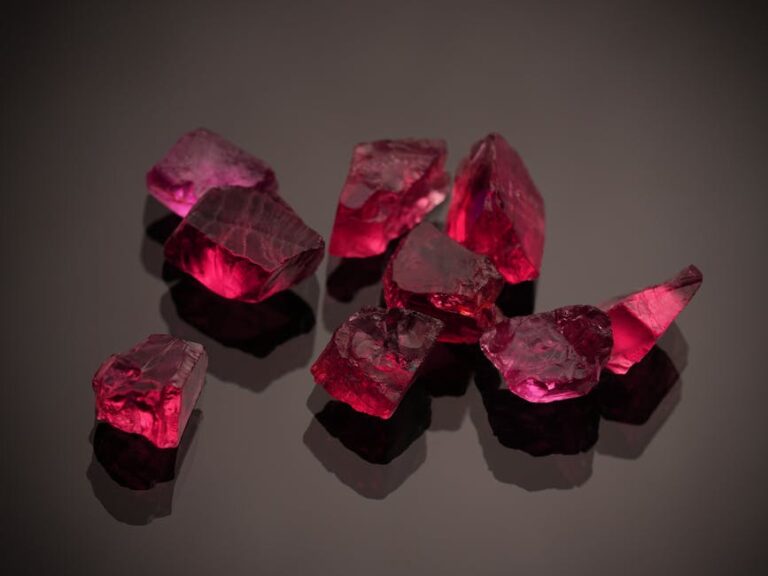
Capricorn Birthstone: Meaning, Powers & Best Gems
If you’re a Capricorn and you’ve gone looking for your birthstone, you’ve probably run into a mess of conflicting answers. Garnet is your stone. No wait, it’s blue sapphire. Actually, turquoise. Maybe onyx?
Here’s the truth: Capricorn has one of the richest birthstone traditions in the zodiac, and that variety isn’t confusion, it’s an embarrassment of riches. The primary Capricorn birthstone is garnet, a deep red gem that has been tied to ambition, protection, and passion since the time of the Egyptian pharaohs. But depending on whether you follow Western astrology, Vedic tradition, or month-based birthstone lists, you may have 4 to 6 stones calling your name.
This guide covers all of them, plus which stones Capricorns should actually avoid, what the mineralogy behind garnet really tells us, and how to work with these stones in a way that actually fits a Capricorn’s life.
Capricorn Birthstone Comparison Chart
| Stone | Tradition | Chakra | Hardness | Best For |
|---|---|---|---|---|
| Garnet | Western Zodiac | Root, Heart | 6.5–7.5 | Vitality, commitment, physical stamina |
| Blue Sapphire | Vedic (Saturn) | Throat, Third Eye | 9 | Wisdom, authority, strategic clarity |
| Black Onyx | Cross-tradition | Root | 6.5–7 | Protection, boundary-setting, stress absorption |
| Smoky Quartz | Crystal Healing | Root, Solar Plexus | 7 | Mental clarity, stress transmutation, grounding |
| Turquoise | December Month | Throat | 5–6 | Travel protection, communication, elder wisdom |
| Tanzanite | December Month | Crown, Third Eye | 6–7 | Transformation, forward momentum, spiritual growth |
Note: Garnet and Blue Sapphire are the two primary Capricorn birthstones across Western and Vedic systems respectively. The remaining stones carry month-based or traditional associations.
What Is the Capricorn Birthstone?
The primary Capricorn birthstone is garnet. This is the stone assigned to Capricorn in Western zodiac tradition, and it’s the one most crystal practitioners, gemologists, and astrologers reach for when someone asks about Capricorn’s gem.
But there’s a second answer worth knowing: in Vedic astrology, which has its roots in ancient India and uses the Makar rashi (the Capricorn sign in Vedic systems), Blue Sapphire is considered the definitive stone for Capricorn. This is because Blue Sapphire is directly associated with Saturn, the planet that rules Capricorn in both Western and Vedic traditions, and in Vedic practice, wearing a Saturn stone is considered highly auspicious for Saturn-ruled signs.
What does that mean for you? If you follow Western astrology, start with garnet. If you’re drawn to Vedic tradition, Blue Sapphire deserves serious consideration. Many Capricorns find both resonate deeply, and there’s no reason to choose just one.
For Capricorns born in January, the primary stones are garnet and ruby (though ruby is now considered optional, more on that below). For those born in late December, turquoise, blue topaz, and tanzanite all carry birthstone associations tied to December as a month.
Garnet: The True Capricorn Birthstone
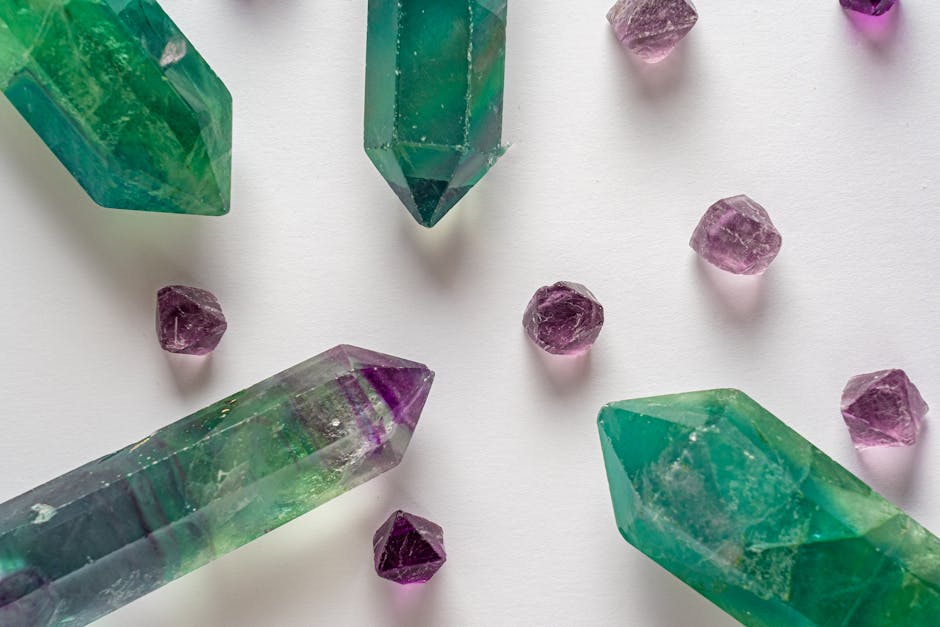
If you only work with one stone as a Capricorn, make it garnet. This isn’t just tradition, the alignment between garnet’s energy and Capricorn’s nature is remarkably precise.
The Mineralogy Behind the Magic
Garnet isn’t a single mineral. It’s a family of six closely related silicate minerals, each with slightly different chemistry but the same crystal structure. The red variety most associated with Capricorn is almandine garnet, iron-aluminum silicate, deep crimson to brownish-red, with a Mohs hardness of 7–7.5 (GIA). The more vivid pyrope variety, popular since Victorian times, runs slightly harder and brighter.
What’s interesting from a geological standpoint: garnet forms under conditions of intense heat and pressure during metamorphic processes, the same forces that produce diamonds, though with very different results. There’s a fitting metaphor there for Capricorn, the sign that transmutes sustained effort and pressure into achievement.
Garnet jewelry has been found in Egyptian burial sites dating back over 5,000 years, making it one of the oldest known gemstones used in human adornment (American Gem Society). Roman soldiers carried it as a talisman in the third and fourth centuries. The name itself comes from the Latin granatus, meaning pomegranate seed, a reference to the red almandine crystals that look exactly like pomegranate seeds when embedded in rock.
Garnet’s Healing Properties for Capricorn
Garnet is often called the stone of vitality and commitment, and both of those qualities speak directly to what Capricorn actually needs.
On the vitality side: this is a stone practitioners consistently associate with circulation, physical stamina, and root chakra activation. For Capricorns who push their bodies through long hours and demanding schedules, garnet works as an energetic counterpart to that drive, supporting the system rather than depleting it. I keep a piece of almandine garnet on my desk during busy work seasons for exactly this reason. There’s a steadiness to it that feels different from more stimulating stones.
On the commitment side: garnet is historically a stone of loyalty, devotion, and follow-through. Capricorn is already the most committed sign in the zodiac. Wearing garnet amplifies and anchors that quality rather than pushing it somewhere it doesn’t naturally go.
Garnet at a glance:
- Chakras: Root, Heart
- Saturn connection: Mars-associated stone that grounds the Saturn drive
- Hardness: 6.5–7.5 Mohs (safe for daily wear in rings, bracelets)
- Best form: tumbled or faceted; raw garnet is beautiful but fragile

Blue Sapphire: The Vedic Capricorn Stone
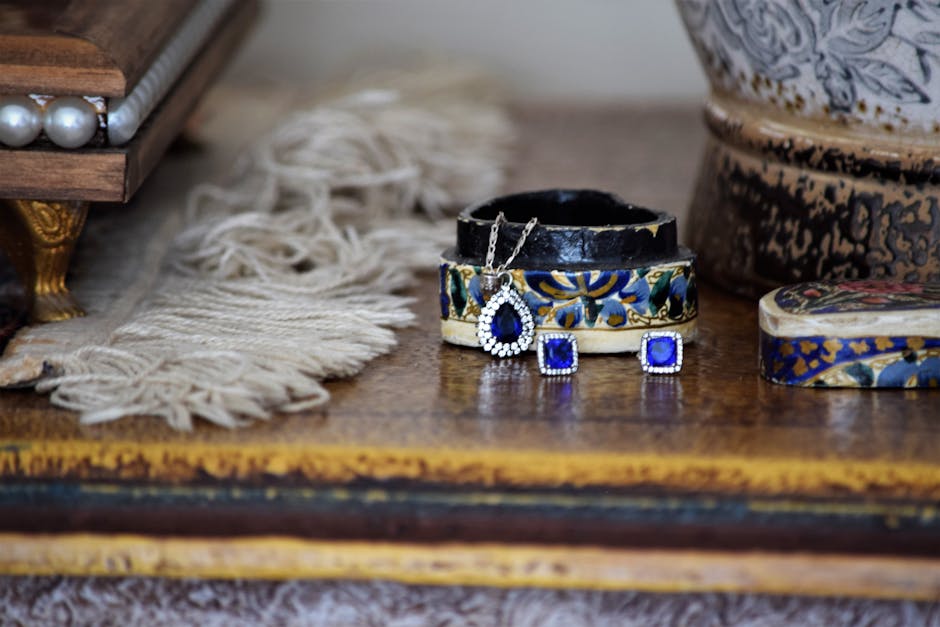
Blue Sapphire is the most powerful Saturn stone in Vedic gemology. Saturn rules Capricorn, which means Blue Sapphire is considered a primary amplifier for Capricorn’s natural strengths, and a protective buffer against Saturn’s heavier influences (delays, obstacles, karmic tests).
Historically, sapphires were associated with royalty and wisdom across Persian, Greek, and medieval European traditions. The clergy of the Middle Ages wore blue sapphire to symbolize heavenly favor. For Capricorn, a sign that takes the long view and builds toward lasting legacies, sapphire’s associations with wisdom, authority, and clear thinking are genuinely resonant.
The physical stone: corundum (aluminum oxide), with chromophores of iron and titanium producing the blue color. Hardness of 9 on the Mohs scale, one of the hardest gemstones in existence, second only to diamond. If you’re looking for a birthstone you can wear every day without worrying about scratches or chips, Blue Sapphire is it.
A practical note on cost: genuine untreated Blue Sapphire is expensive. If budget is a concern, heat-treated stones are widely accepted and far more accessible, the treatment affects price but not energetic properties in most crystal healing traditions.
Blue Sapphire at a glance:
- Chakras: Throat, Third Eye
- Vedic tradition: primary Saturn stone for Capricorn
- Hardness: 9 Mohs (exceptional durability)
- Best for: December Capricorns or those drawn to Vedic astrology

Black Onyx: Capricorn’s Protection Stone
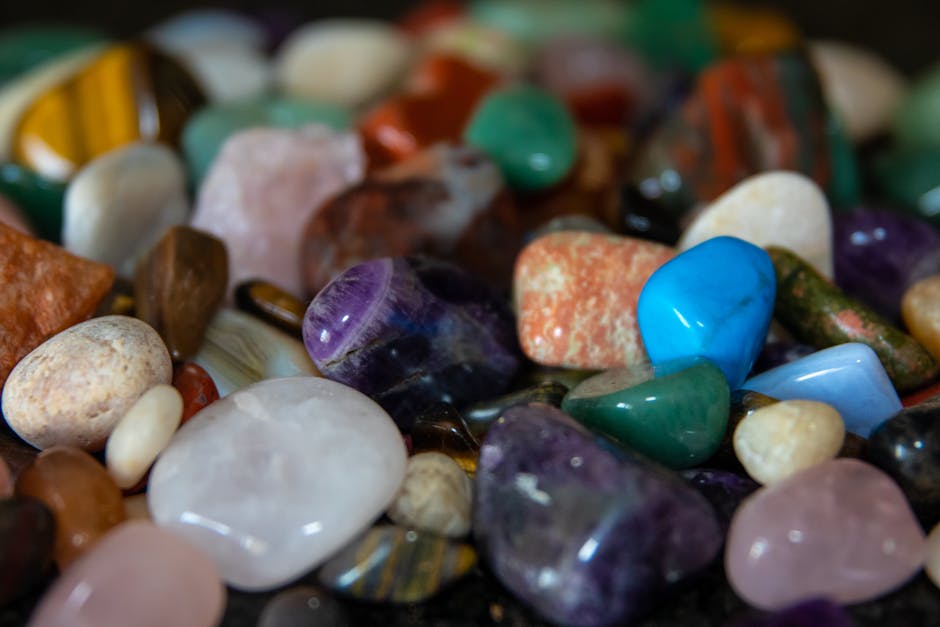
If garnet is the engine and Blue Sapphire is the compass, black onyx is the armor.
Onyx has been associated with Saturn’s discipline and boundary-setting for centuries, and it’s one of the most consistently cited stones for Capricorn across traditions. Hardness of 6.5–7 Mohs, completely opaque, with that distinctive deep black that either attracts or repels, and Capricorns almost universally love it.
Practitioners work with onyx for psychic protection, the ability to absorb and transmute negative energy rather than letting it accumulate. For Capricorns in demanding professional environments (which is most of them), onyx acts as an energetic filter. It doesn’t soften the experience. It makes you less porous to it.
From a healing perspective, onyx is associated in traditional astrology with Saturn’s body rulerships: bones, teeth, skin, structural integrity. The same qualities that make Saturn Saturn, structure, limitation, endurance, show up in onyx’s physical and energetic makeup.
One practical note: because onyx works by absorbing, it needs regular cleansing. Monthly moonlight cleansing is the standard recommendation. More frequently if you’re wearing it through intense periods.

Smoky Quartz: The Clarity Stone Capricorn Actually Needs
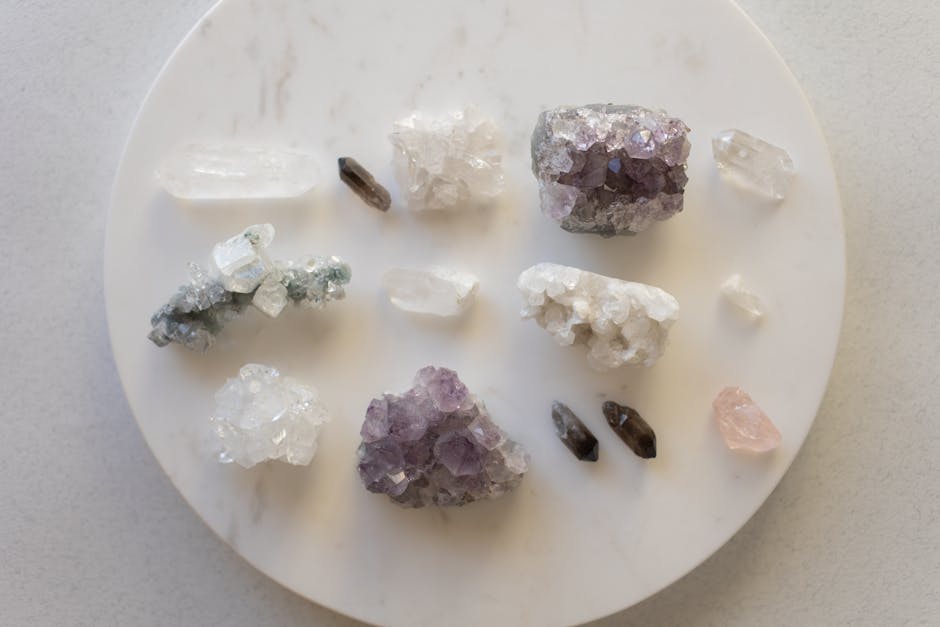
This one doesn’t get nearly enough attention in Capricorn birthstone guides, but it should. Smoky quartz is essentially the anti-overwhelm crystal, and if there’s one thing high-functioning Capricorns deal with, it’s mental overwhelm from carrying too much for too long.
Smoky quartz works by transmuting dense energy, anxious thought loops, accumulated stress, the psychic weight of too many open loops, into something more neutral and manageable. It’s grounding in the way a deep breath is grounding: nothing is solved, but you can think again.
Mineralogically: silicon dioxide (like all quartz), the smoky color produced by natural irradiation of aluminum impurities. Hardness 7, widely available in good quality, and beautiful against silver settings. The color gradient from pale gray to near-black makes every piece genuinely unique.
Smoky quartz at a glance:
- Chakras: Root, Solar Plexus
- Best use: carried in pocket during stressful periods, placed at desk
- Pairs well with: garnet (smoky quartz calms what garnet activates)

Turquoise & Blue Topaz: December Capricorn Birthstones
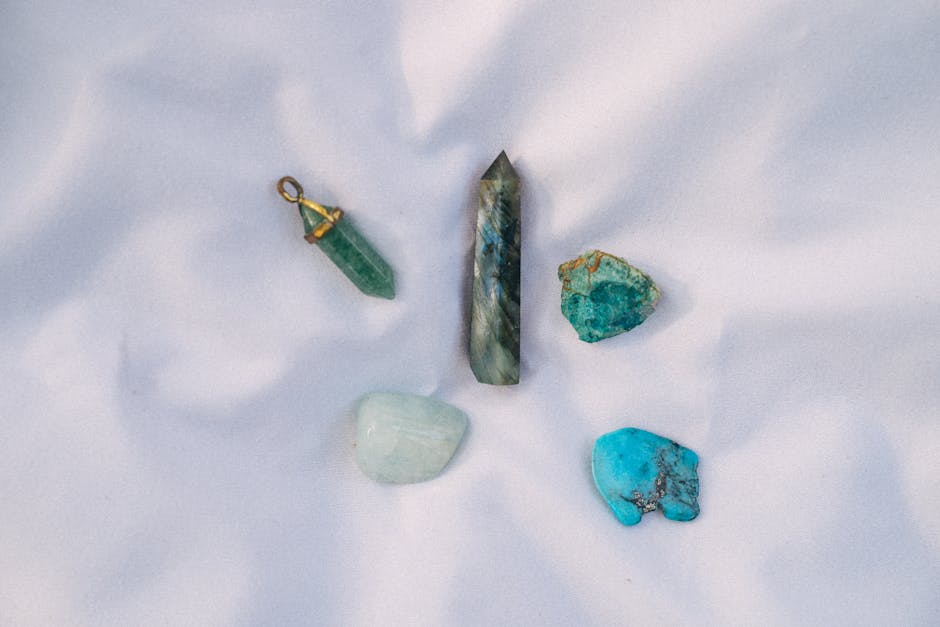
If you’re a December Capricorn, born between the 22nd and the 31st, turquoise and blue topaz carry particular significance as traditional December birthstones.
Turquoise is one of the oldest protective stones in human history, worn by Native American, Egyptian, and Persian cultures for thousands of years. For Capricorns, its blue-green color and earth energy bridge the December holiday energy with Capricorn’s characteristic seriousness. Turquoise is a stone of the traveler, the teacher, the elder, all roles Capricorn grows into. Important care note: turquoise is porous and soft (5–6 Mohs). No water, no chemicals, no ultrasonic cleaners. Ever.
Blue Topaz works differently, this is a communication and clarity stone. Silicon-based with aluminum and fluorine, Mohs hardness 8, comes in sky blue, Swiss blue, and London blue varieties. For Capricorns who struggle to articulate what they’re carrying internally (which is common, this is a private sign), blue topaz supports the throat chakra and the ability to speak with precision and honesty.

Tanzanite: The Rarest Capricorn Stone
Tanzanite is worth a mention because of its story as much as its properties. Found only in a small area near Mount Kilimanjaro in Tanzania, first discovered in 1967, it’s one of the rarest gem-quality minerals on Earth. Some geologists estimate the deposits may be exhausted within a few decades (Tanzanian Mineral Audit Agency, various reports).
The stone itself is a variety of zoisite, blue-violet in color due to vanadium impurities, hardness of 6–7 Mohs. It’s fragile for daily wear but extraordinary in occasional-wear jewelry. For Capricorns, tanzanite’s themes of transformation, forward momentum, and activating the crown chakra complement the garnet foundation beautifully.
Malachite: Handle With Informed Awareness
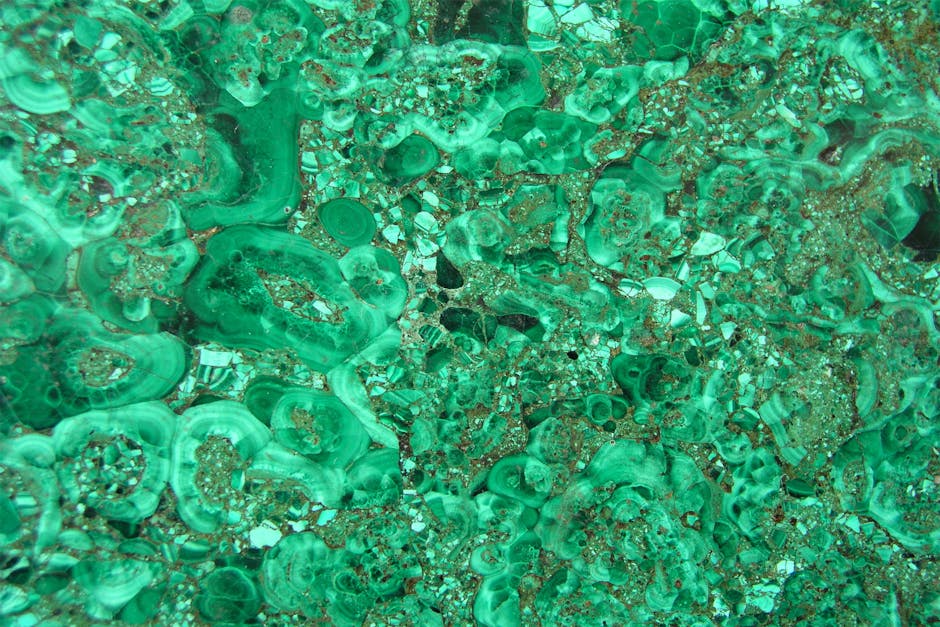
Malachite appears on many Capricorn lists, and it does resonate with the sign’s earth energy and ambition. But it warrants clear-eyed guidance rather than uncritical enthusiasm.
The transformation properties are real, malachite amplifies emotional patterns and brings unconscious material to the surface. For Capricorns at life crossroads, it can be a powerful ally in releasing outdated structures.
The practical caution: malachite contains copper, and copper dust is toxic. Polished, finished malachite is safe to wear and handle. The caution applies to raw, powdery, or degrading specimens, and absolutely applies to any water-based preparation, never make a malachite gem elixir using the direct method. If a stone is chipping, treat it carefully and wash your hands.

Crystals Capricorn Should Avoid
This is the section most guides skip, but it matters.
Ruby, some practitioners recommend caution here, and there’s a logic to it. Ruby is a fire stone strongly associated with the Sun. Capricorn is ruled by Saturn. Sun and Saturn are considered opposing energies in both Western and Vedic astrology, the Sun represents ego, radiant authority, and immediacy; Saturn represents restraint, karma, and long-term consequences. For some Capricorns, ruby can create tension rather than support. If you’re drawn to ruby, try it and trust your own response, but it’s worth knowing the astrological argument against it.
Yellow Sapphire, associated with Jupiter, which in Vedic astrology is considered a challenging planet for Capricorn. Mercury-ruled stones can also create friction for Saturn-heavy charts.
Practical filter: if you wear a stone and feel consistently drained, agitated, or off-balance after a few days, that’s information. Trust it more than any list, including this one.
Capricorn Birthstone Color: What the Palette Tells You
The primary Capricorn birthstone color is deep red (garnet), with black (onyx), blue-violet (blue sapphire, tanzanite), and blue-green (turquoise) rounding out the palette.
Notice the pattern: these aren’t bright, attention-seeking colors. They’re saturated, serious, and beautiful in a way that rewards close attention, exactly like the sign they belong to. Capricorn’s gems don’t announce themselves. They accumulate.
If you’re choosing jewelry by color rather than stone, use this as a guide: deep red and black pieces carry Saturn’s grounding, disciplining energy. Blue-violet opens the higher chakras and works better for meditation and creative work. Blue-green (turquoise) is best for travel, communication, and protection.
How to Work With Your Capricorn Birthstone
Wearing: Rings on the dominant hand keep garnet or onyx in your active energy field. Left wrist bracelets are traditionally for receiving, good for protection stones like onyx. Right wrist for projecting, good for garnet’s vitality energy.
Meditating: Hold garnet at the root chakra (base of spine area) to build physical stamina and ground ambition. Blue Sapphire or tanzanite at the third eye for clarity and strategic thinking.
At your desk: Onyx absorbs environmental stress. Smoky quartz transmutes it. A piece of each near your workspace handles both functions.
Setting intentions: Saturday, Saturn’s day, is the natural time to work with Capricorn stones. New moon for setting new ambitions, full moon for releasing what’s no longer serving the climb.


How to Care for Capricorn Birthstones
Garnet: Water-safe for brief cleansing. Mild soap and soft brush for physical cleaning. Store away from harder stones like diamonds that could scratch it. Avoid prolonged direct sunlight.
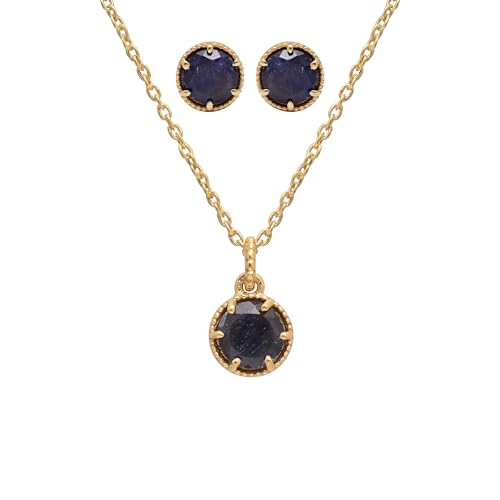
Blue Sapphire: Extremely durable (hardness 9). Warm soapy water or ultrasonic cleaners are both fine. No special precautions needed.
Black Onyx: Water-safe, but porous, apply perfume and lotions before putting on your jewelry, not after. Clean with slightly damp soft cloth and dry thoroughly. Frequent moonlight cleansing recommended since it’s an absorbing stone.
Turquoise: No water. No chemicals. No exceptions. Clean with a dry soft cloth only. Store in a soft pouch away from other stones. Don’t wear in the shower, swimming, or while using cleaning products.
Smoky Quartz: Water-safe, very low maintenance. Occasional smoke cleansing or moonlight works well.
Malachite: No water-based cleansing. Dry cloth only. No gem elixirs using direct method. Handle chipping specimens carefully and wash hands.
Frequently Asked Questions
What is the primary birthstone for Capricorn?
Garnet is the primary birthstone for Capricorn in Western astrology. In Vedic tradition, Blue Sapphire holds this position. Both are valid depending on which astrological system resonates with you. If you’re just starting out, garnet is the most accessible entry point, it’s widely available, reasonably priced, and energetically very aligned with Capricorn’s earth-sign nature.
What is the Capricorn birthstone for January vs. December?
January Capricorns are most associated with garnet, the classic zodiac stone. December Capricorns, born between December 22nd and 31st, carry birthstone connections to turquoise, blue topaz, and tanzanite, all of which are traditional December month birthstones. Both January and December Capricorns can work with garnet, blue sapphire, and onyx regardless of exact birth date.
What crystals should Capricorn avoid?
Ruby and yellow sapphire are often cited as potentially conflicting with Capricorn’s Saturn-ruled energy. Ruby’s Sun association can create tension with Saturn, while yellow sapphire’s Jupiter connection is considered challenging in Vedic astrology for Capricorn charts. That said, individual responses vary, some Capricorns wear ruby with no issues. Pay attention to how a stone makes you feel over 3–5 days of wear.
What is the Capricorn birthstone color?
The primary color is deep red (garnet), representing vitality and passion. The extended palette includes black (onyx), deep blue-violet (Blue Sapphire, tanzanite), blue-green (turquoise), and pale blue (blue topaz). All of these share a quality of depth and seriousness, saturated colors that reward close attention rather than broadcasting themselves.
Which wrist should I wear my Capricorn birthstone on?
In crystal healing tradition, the left wrist receives energy, wear protective stones like onyx here. The right wrist projects energy outward, wear activating stones like garnet here when you need to be at your best. You can also combine both: onyx on the left, garnet on the right, for a grounded-and-activated balance.
Is garnet safe for everyday wear?
Yes, with some care. Garnet ranks 6.5–7.5 on the Mohs hardness scale, making it suitable for rings, bracelets, and pendants worn daily. Avoid storing it loose with harder stones like diamonds or sapphires, which can scratch it. Remove garnet jewelry before heavy manual work or contact sports. With those basic precautions, garnet is a durable everyday companion.
Can I combine multiple Capricorn birthstones?
Yes, and some combinations are especially effective. Garnet and black tourmaline (grounded ambition), onyx and citrine (discipline balanced with joy), and garnet and smoky quartz (activated but calm) are all popular pairings for Capricorn. Start with one stone for a week before adding a second, this makes it easier to sense what each stone is doing individually.
What is the difference between Capricorn birthstones in Western vs. Vedic astrology?
Western astrology assigns garnet as Capricorn’s primary birthstone based on zodiac tradition and month associations. Vedic astrology (Jyotish) assigns Blue Sapphire as the primary stone for the Makar rashi because of its direct relationship with Saturn, Capricorn’s ruling planet. Both systems are internally consistent. Vedic gemstone recommendations are also typically made after reviewing a full birth chart, not just the sun sign.
The Bottom Line
Capricorn’s birthstone tradition is richer than most guides let on. Garnet is your cornerstone, get that one first. Add black onyx when you need steadier footing. Consider smoky quartz if mental clarity and stress management are real needs. And if you’re drawn to Vedic astrology or simply find yourself drawn to blue, Blue Sapphire deserves serious consideration as the Saturn stone par excellence.
These aren’t instant-gratification crystals. Neither is Capricorn. The stones that resonate most with this sign tend to deepen their influence over time, which is exactly what you’d expect from the sign that understands, better than any other, that the most meaningful things are built layer by layer.
If you’re exploring which of your Capricorn stones to start with, our full Capricorn crystal guide goes deeper into each stone’s healing applications. And if you want to understand how birthstones work across all twelve signs, the complete zodiac crystals guide is a good next read.
Sources & References
- “Garnet.” Gemological Institute of America (GIA), www.gia.edu.
- “January Birthstone: Garnet History & Lore.” GIA, www.gia.edu.
- “Sapphire.” GIA, www.gia.edu.
- “Garnet.” American Gem Society, www.americangemsociety.org.
- “Garnet Group.” Mindat.org, www.mindat.org.
- “Sapphire (Corundum var.).” Mindat.org, www.mindat.org.
- “Onyx.” GIA, www.gia.edu.
- “Tanzanite.” GIA, www.gia.edu.
- “Turquoise.” GIA, www.gia.edu.
- “Garnet: Mineral, Gemstone, Abrasive.” Geology.com, geology.com.
🔮 Explore More Zodiac Crystal Guides
Last Updated on April 26, 2026
We may earn a commission from links on this page at no extra cost to you. This helps us keep CrystalsAlchemy running.
This article was originally published on