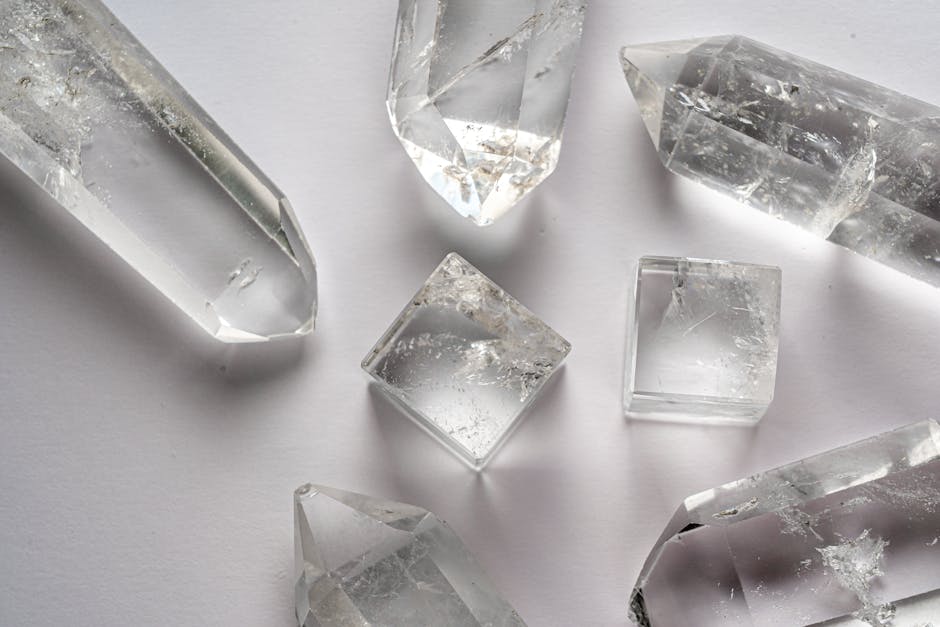
How to Spot Fake Crystals: A Buyer’s Guide
This post contains affiliate links. If you purchase through these links, we may earn a small commission at no extra cost to you. Learn more.
A few years ago, a client brought me a collection of “healing crystals” she had purchased from a popular online marketplace. She had paid close to $80 for what she believed was a set of genuine amethyst, rose quartz, and moldavite. The moment I held the so-called moldavite, something was wrong — it was too light, too uniform, and the surface had the faint matte sheen of pressed glass. I tested every piece. Not one was authentic. Every crystal in that bag was a fake.
Her experience is not an outlier. As crystal healing has surged in mainstream popularity, so has the flood of counterfeit, dyed, heat-treated, and fully synthetic stones entering the market. A 2021 investigation by the BBC found that a substantial proportion of moldavite listed on major e-commerce platforms was manufactured glass — not the genuine tektite formed 15 million years ago in what is now the Czech Republic. Consumer watchdog groups in the United States have flagged misleading labeling practices across numerous online crystal vendors, and the Gemological Institute of America (GIA) has long documented the challenge of distinguishing natural from synthetic and treated gemstones in retail settings.
Learning how to tell if crystals are real is one of the most practical skills any crystal enthusiast can develop. Whether you are just beginning your journey — our guide for crystal beginners is a good place to start — or you are an experienced collector, this guide gives you a test-by-test framework for identifying fake crystals before you hand over your money.

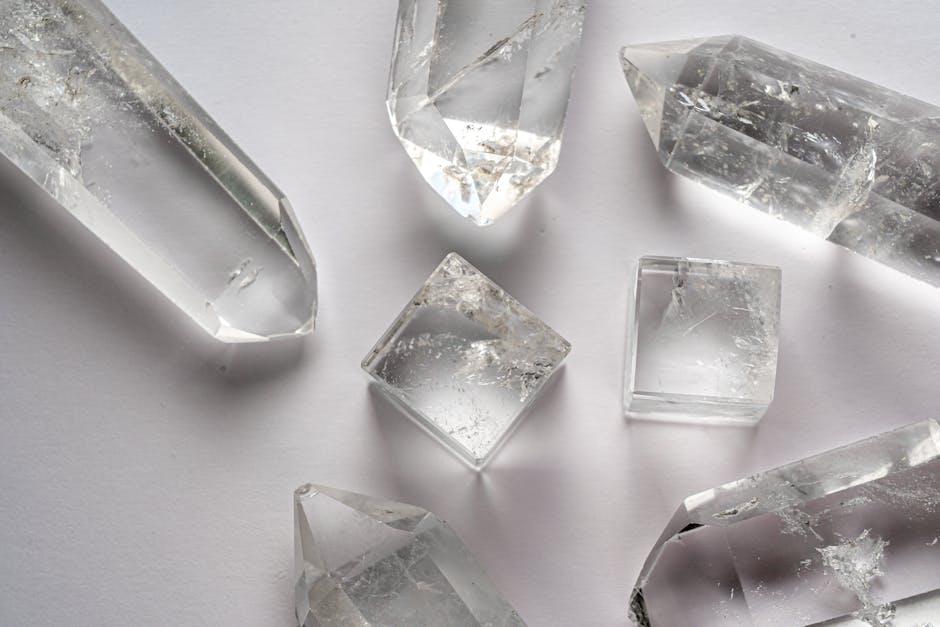
Why Fake Crystals Have Flooded the Market
The global crystal and gemstone market has grown dramatically over the past decade. Industry analysts estimated the market at over $15 billion in 2021, driven by rising interest in wellness, mindfulness, and spiritual practice. Social media accelerated this growth — crystal content on Instagram and TikTok regularly generates millions of views — and a new wave of buyers entered the market with enthusiasm but little experience identifying authentic stones.
The supply side responded accordingly. Manufacturing hubs in China, India, and parts of Southeast Asia now produce enormous quantities of glass, resin, and dyed stone that is sold as natural crystal. The most common deceptions include:
- Dyed stones: Cheap, porous minerals like howlite and magnesite are soaked in industrial dye to resemble turquoise, chrysocolla, and other high-value stones. The dye sits on the surface and inside fractures rather than forming as part of the mineral’s natural structure.
- Heat-treated amethyst sold as citrine: Amethyst is routinely heat-treated at high temperatures to transform it into a brownish-orange stone that is then sold as natural citrine. Genuine natural citrine from Brazil or Madagascar is comparatively rare and commands a different price point.
- Glass imitations: Molded and colored glass is sold as clear quartz, obsidian, moldavite, and opalite. Some sellers label opalite honestly as glass; many do not.
- Synthetic stones: Lab-created versions of turquoise, malachite, and other minerals are sometimes sold as natural specimens without any disclosure of their synthetic origin.
- Misleading trade names: Stones are sold under invented names — “Quantum Quattro,” “Anandalite,” “Strawberry Quartz” — that have no standardized mineralogical definition, making it impossible for buyers to verify what they are actually purchasing.
US buyers shopping online are particularly exposed. The Federal Trade Commission’s guidelines on gemstone disclosure require accurate representation, but enforcement across international e-commerce platforms is inconsistent at best. Knowing how to spot fake crystals yourself remains the most reliable protection you have.

How to Tell If Crystals Are Real: The Essential Tests
None of these tests alone is definitive for every stone — but used in combination, they give you a reliable picture. For high-value purchases such as large moldavite specimens or gem-quality stones, professional testing through a GIA-certified laboratory remains the gold standard. For everyday purchases, the following tests are practical, accessible, and effective.
The Temperature Test
This is the easiest test to perform anywhere, including inside a shop. Natural crystalline minerals — particularly those in the quartz family — have higher thermal conductivity than glass or plastic. Hold the stone against your cheek or inner wrist for five seconds. A genuine quartz crystal (amethyst, rose quartz, citrine, or clear quartz) will feel distinctly cool and will take noticeably longer to warm up than glass or resin. Glass reaches skin temperature almost immediately; genuine quartz retains its coolness for several seconds even in a warm room.
This test is most reliable for quartz-family stones. It is less diagnostic for very small specimens or minerals with inherently lower thermal conductivity. But for anything sold as quartz, it is a quick and highly useful first screen.
Magnification: Your Most Powerful Tool
A quality jeweler’s loupe — at minimum 10x magnification — is, in my experience, the single most useful tool for identifying fake crystals. A jeweler’s loupe is inexpensive, portable, and reveals information completely invisible to the naked eye. Here is what you are looking for:
- Natural inclusions: Authentic crystals contain growth patterns, mineral threads, phantom layers, fluid inclusions, and internal fractures that developed over millions of years. These features are complex, irregular, and unique to each specimen. According to the Smithsonian National Museum of Natural History, even gem-quality stones retain characteristic internal features that distinguish them from synthetic counterparts.
- Rounded gas bubbles: If you see spherical bubbles inside a specimen sold as quartz or another crystalline mineral, it is glass. Natural crystals do not form spherical gas bubbles — only glass and other amorphous materials do. This is one of the most reliable single indicators of a glass fake.
- Perfect, featureless uniformity: Be suspicious of large specimens with absolutely no internal features. Completely flawless clear quartz of significant size is a red flag — natural specimens always have some internal character at this size. The absence of inclusions is as informative as their presence.
- Dye concentration in fractures: In artificially dyed stones, dye tends to pool in surface cracks and pores rather than distributing evenly through the mineral’s natural structure. Under magnification you will often see color concentrated along fracture lines — characteristic of dye treatment, not natural coloration.
The Mohs Hardness Test
The Mohs Hardness Scale, developed by German mineralogist Friedrich Mohs in 1812, ranks minerals by their resistance to scratching. Understanding basic hardness values protects you from many common fakes:
- Quartz (amethyst, rose quartz, citrine, clear quartz) registers 7 on the Mohs scale. A steel knife blade rates approximately 5.5. A genuine quartz crystal should not be scratched by a steel blade. If it scratches easily, it is not quartz.
- Howlite — the mineral most commonly dyed to imitate turquoise — has a hardness of only 3.5 and scratches readily with a fingernail.
- Glass has a hardness of approximately 5.5. Genuine quartz will scratch glass; glass will not scratch genuine quartz.
Always perform scratch tests in an inconspicuous area and check the expected Mohs rating for the specific mineral before testing — some genuine crystals are softer than others. A reliable crystal identification book will list hardness, specific gravity, and other diagnostic properties for each mineral species.
Weight and Specific Gravity
Genuine crystals have a characteristic density (specific gravity) that often differs meaningfully from glass or synthetic substitutes of the same size. Natural moldavite, for instance, is denser and heavier than the light molded glass commonly used to fake it. If you have handled authentic specimens of a given stone before, you develop a reliable tactile memory for how much it should weigh relative to its volume.
For more precise testing, specific gravity kits — which measure buoyancy in water to calculate density — are available and are included in many crystal testing kits designed for home use. The specific gravity of quartz, for example, is 2.65. If your “quartz” measures significantly outside that range, it warrants further investigation.
UV Light Inspection
Certain minerals fluoresce in characteristic ways under ultraviolet light. Genuine fluorite, for example, displays vivid fluorescence — typically blue or green depending on the specimen’s origin. According to Mindat.org, one of the most comprehensive mineralogical databases available, fluorescence properties are documented for hundreds of minerals and serve as a useful diagnostic tool. Dyed or synthetic stones typically either fail to fluoresce or display atypical fluorescence patterns. A UV flashlight is an inexpensive addition to any testing toolkit and pairs well with a loupe for a thorough examination.
The Streak Test
Dragging a mineral across an unglazed porcelain tile to observe the color of the powder it leaves behind is a foundational method in field mineralogy. Genuine lapis lazuli, for example, leaves a blue streak. Dyed sodalite or jasper sold as lapis lazuli will leave a white or grey streak with traces of artificial dye. While this test can damage specimens and should be used judiciously, it is one of the most reliable diagnostic methods for distinguishing genuine minerals from dyed imitations — particularly for opaque stones like lapis, malachite, and turquoise.
The Most Commonly Faked Crystals and How to Spot Them
Some crystals are counterfeited far more frequently than others — either because of their high market value, their distinctive appearance that can be replicated in glass or dyed stone, or their current popularity in wellness culture. The following table covers the most heavily faked crystals currently circulating in the US market, along with the specific tests most useful for each.
| Genuine Crystal | Common Fake or Substitute | Key Identification Tests | What to Look For |
|---|---|---|---|
| Moldavite | Green molded glass | Loupe inspection, weight, surface texture | Genuine moldavite has a distinctively sculptured, wrinkled surface texture caused by ablation during atmospheric entry. Fakes are often too smooth, too uniform, or show visible mold seams. Spherical bubbles under a loupe confirm glass. |
| Turquoise | Dyed howlite or magnesite | Hardness test, streak test, UV light | Howlite has a hardness of 3.5 and scratches with a fingernail. Dye concentrates in surface veins under magnification. Genuine Southwest American or Persian turquoise is dense, waxy, and does not scratch easily. |
| Natural Citrine | Heat-treated amethyst | Color distribution, crystal point examination | Genuine natural citrine from Brazil is pale yellow with subtle natural color zoning. Heat-treated amethyst typically shows burnt orange-brown color concentrated at crystal tips or an unnaturally saturated, even color throughout. |
| Clear Quartz | Optical glass | Temperature test, loupe inspection, hardness | Glass warms rapidly on skin and shows spherical gas bubbles under magnification. Genuine quartz from Arkansas or Brazil stays cool and exhibits natural inclusions, growth veils, or fracture patterns — not bubbles. |
| Lapis Lazuli | Dyed jasper, dyed sodalite | Streak test, loupe inspection for pyrite | Genuine lapis lazuli contains visible gold metallic pyrite flecks distributed through a rich blue matrix. Dyed substitutes leave a white streak, have no pyrite inclusions, and may smell faintly of acetone or dye solvents. |
| Rose Quartz | Pink glass, pink-dyed quartz | Temperature test, loupe inspection, inclusions | Genuine rose quartz from Madagascar or Minas Gerais, Brazil contains rutile needle inclusions visible under magnification, giving it a translucent rather than transparent quality. Pink glass is perfectly clear, shows bubbles, and warms instantly. |
Red Flags to Watch For When Buying Crystals
Beyond individual tests, experience teaches you to recognize patterns that signal problematic sourcing. These are the warning signs I look for, whether shopping at a local crystal fair or scrolling through an online marketplace.
Prices That Are Too Good to Be True
Genuine moldavite — a rare tektite formed by a meteorite impact in central Europe approximately 15 million years ago — typically costs between $15 and $60 per gram for verified natural specimens, with quality pieces commanding considerably more. If you encounter moldavite listed for $5 a piece, it is not moldavite. Natural high-grade turquoise from the American Southwest, Persian lapis lazuli with strong pyrite patterning, and genuine natural citrine all have market prices that reflect their rarity. Significant underpricing relative to market rates is one of the clearest signals that something has been substituted.
Unnaturally Saturated or Electric Colors
Nature rarely produces the hyper-saturated colors sometimes marketed as “aura crystals” or “titanium-coated rainbow crystals.” While some of these are honestly labeled as electroplated or metal-coated quartz, others are sold as though the color is natural. Genuine amethyst ranges from pale lavender to deep violet — not neon purple. Natural citrine ranges from pale yellow to golden amber — not bright orange without heat treatment. If a color seems too vivid or too uniform to occur naturally in stone, it almost certainly did not.
Identical Specimens in Bulk Lots
Natural crystals vary. Two pieces of genuine moldavite will never look exactly alike. Two specimens of natural turquoise will display different matrix patterns and color distribution. If an online listing shows dozens of pieces that are identical in size, shape, weight, and appearance, they were almost certainly manufactured rather than naturally formed and individually selected.
No Information About Geographic Origin
Reputable crystal dealers know where their stones come from. Brazilian amethyst differs visually and structurally from Zambian amethyst. Madagascar rose quartz has different inclusion character than Brazilian material. A seller who cannot tell you the country and ideally the region of origin for their crystals is either poorly informed about their own inventory or sourcing from undisclosed supply chains — neither is a good sign. When you are learning how to choose the best crystals, provenance transparency is one of the most important criteria to apply.
Sellers Who Cannot Answer Basic Questions
Ask a seller to describe the stone’s Mohs hardness, its country of origin, or whether it has been treated in any way. A knowledgeable dealer will answer these questions comfortably and with specificity. Evasive or generic responses — “it comes from the earth,” “it is a powerful healing stone” — without any mineralogical or geographic detail suggest the seller either does not know or is being deliberately vague about what they are selling.
A practical tip: If you suspect a stone has been artificially dyed, submerge it briefly in water. Dyed porous stones such as howlite frequently leach color when wet, especially along fractures. This will not harm a genuine mineral but will often reveal surface dye treatments quickly.
Where to Buy Real Crystals: Trusted Sources
Knowing where to shop is just as important as knowing what tests to run. These are the sourcing channels I trust and recommend for US buyers.
Established Local Crystal Shops
Finding a trustworthy local crystal shop is one of the best investments you can make as a collector. In cities with active crystal communities — Sedona, Arizona; Asheville, North Carolina; Portland, Oregon; Boulder, Colorado; New York City; and Los Angeles — there are established shops with knowledgeable staff, transparent sourcing practices, and the ability to answer detailed questions about their inventory. Most reputable local shops actively welcome questions about origin and treatment status. Searching for a “crystal shop near me” in any major US city will surface options, but reading Google reviews carefully for mentions of quality and authenticity before visiting is always worthwhile.
Gem and Mineral Shows
The Tucson Gem and Mineral Show, held every February in Tucson, Arizona, is the largest gem and mineral event in the world, drawing wholesale and retail dealers from over 50 countries. The Denver Gem and Mineral Show, held each September, is another major US event open to the public. These shows offer the opportunity to purchase directly from miners, importers, and long-established dealers — often at prices unavailable elsewhere — with the ability to examine specimens in person, ask detailed provenance questions, and compare authentic material directly against other pieces.
Established Online Dealers
If you are buying crystals online, look for established dealers who provide clear provenance information, high-resolution photographs that show internal features, and transparent return policies. Our dedicated guide to finding real crystals on Amazon covers what to look for when purchasing through larger marketplaces. For high-value pieces, always request documentation of authenticity and consider whether independent gemological verification is warranted.
GIA-Certified Gemological Testing
For significant purchases — a large faceted gemstone, a high-grade moldavite specimen, or any stone where authenticity has meaningful financial implications — professional testing through a GIA-certified laboratory is the definitive standard. GIA grading reports provide documented evidence of a stone’s identity, natural origin, and treatment status that no at-home test can fully replicate. For stones valued above several hundred dollars, the cost of a grading report is a reasonable investment.
Essential Tools for Testing Crystals at Home
Building a basic testing toolkit does not require a significant investment. The following four tools cover most common identification and verification needs and together represent the best practical starting point for any serious crystal buyer.
Top Picks: Essential Crystal Testing Tools
- Best Loupe: Jeweler’s Loupe (10x to 20x Magnification) — The single most useful tool for spotting glass bubbles, dye concentration, and natural inclusions. Look for a triplet lens with built-in LED illumination.
- Best Testing Kit: Crystal Testing Kit — Typically includes calibrated hardness picks, a streak plate, a UV light, and sometimes specific gravity testing equipment. Covers most field identification needs in a single kit.
- Best Reference: Crystal Identification Book — A comprehensive field guide listing hardness, specific gravity, fluorescence, characteristic inclusions, and geographic origins for hundreds of minerals. Essential for cross-referencing test results.
- Best Starter Collection: Authentic Crystal Set — A curated set of verified genuine specimens from a reputable supplier gives you tactile and visual reference standards that no photograph can replace. Comparing a new purchase against a known authentic specimen is one of the most reliable verification methods available.
In my practice, I keep a small reference collection of verified authentic specimens specifically for comparison purposes. When a client brings me a questionable piece, being able to hold it alongside a genuine specimen of the same mineral — checking color, weight, surface texture, and temperature response side by side — is far more informative than any single test performed in isolation.
Frequently Asked Questions About Fake Crystals
How can I tell if a crystal is real or glass?
The most reliable combination is the temperature test, loupe inspection, and hardness test used together. Real quartz crystals feel cool against your skin for several seconds. Under 10x magnification, genuine quartz shows complex natural inclusions — glass shows spherical gas bubbles. Quartz (hardness 7) will scratch glass (hardness 5.5) but glass will not scratch quartz. If a specimen fails two or more of these tests, it is very likely glass or resin rather than natural crystal.
Is heat-treated citrine considered a fake crystal?
This requires a nuanced answer. Heat-treated citrine is a real mineral — it is amethyst, which is genuine quartz — that has been artificially altered to change its color through controlled heating. It is not the same as natural citrine, which forms through a different geological process and is significantly rarer. Whether this constitutes a “fake” depends on disclosure: if a stone is sold honestly as heat-treated amethyst, that is acceptable. If it is sold as natural citrine without any mention of treatment, that is deceptive. Natural citrine from Brazil or Madagascar commands a higher price than heat-treated material and is worth seeking out if the distinction matters to your practice.
Where can I buy real crystals near me?
In most US cities, established metaphysical and crystal shops are the most reliable local source. Search for shops with long operating histories, read reviews carefully for mentions of authenticity and sourcing transparency, and ask staff directly about where their inventory originates. Gem and mineral shows are another excellent option and occur in most major US cities throughout the year. The Tucson Gem Show in February and the Denver Gem Show in September are the two largest annual events in the country and are open to both trade buyers and the general public.
Are crystals sold on Amazon real?
Some are genuine; many are not. Amazon is a marketplace hosting thousands of third-party sellers with widely varying sourcing standards. Some established, reputable crystal dealers do sell on Amazon, but the platform also carries significant quantities of misrepresented or synthetic stones. Reading seller reviews carefully — particularly for comments specifically about authenticity rather than just packaging or shipping — and buying from sellers with detailed provenance information are essential precautions. Our guide to finding real crystals on Amazon covers this in more detail.
What are the most commonly faked crystals to watch out for?
Based on market observation and industry reporting, moldavite is currently the most heavily counterfeited crystal — the vast majority sold online at low prices is manufactured glass. Turquoise is almost universally substituted with dyed howlite at entry-level price points. Natural citrine is routinely replaced with heat-treated amethyst without disclosure. Clear quartz spheres and towers sold at very low prices are frequently optical glass. Lapis lazuli at bargain prices is commonly dyed sodalite or jasper. These five categories account for the overwhelming majority of counterfeit crystal transactions in the US retail market.
Final Thoughts: Buy with Confidence
The crystal market, like any unregulated consumer market, rewards informed buyers. The tests and red flags described in this guide will not catch every sophisticated forgery — no at-home method will — but they will protect you from the overwhelming majority of fake crystals circulating in mainstream retail channels. A $20 jeweler’s loupe and five minutes of due diligence can save you from paying premium prices for glass.
Beyond the practical tests, building relationships with knowledgeable dealers — whether at local shops, gem shows, or established online suppliers — is the most sustainable long-term strategy for any serious collector. A dealer who can speak fluently about a stone’s geographic origin, mineralogy, and treatment status is someone worth returning to. That kind of expertise and transparency is ultimately how you build a genuine collection that supports your practice rather than undermining it.
If you are ready to expand your collection with greater confidence, our detailed guide on how to choose the best crystals covers sourcing criteria and quality indicators in depth. Once you have genuine stones in hand, our guides on how to cleanse your crystals and understanding crystal healing properties will help you work with them effectively. Real crystals are worth seeking out — they are products of geological processes spanning millions of years, and that authenticity is part of what makes them worth having.
We may earn a commission from links on this page at no extra cost to you. This helps us keep CrystalsAlchemy running.
This article was originally published on