
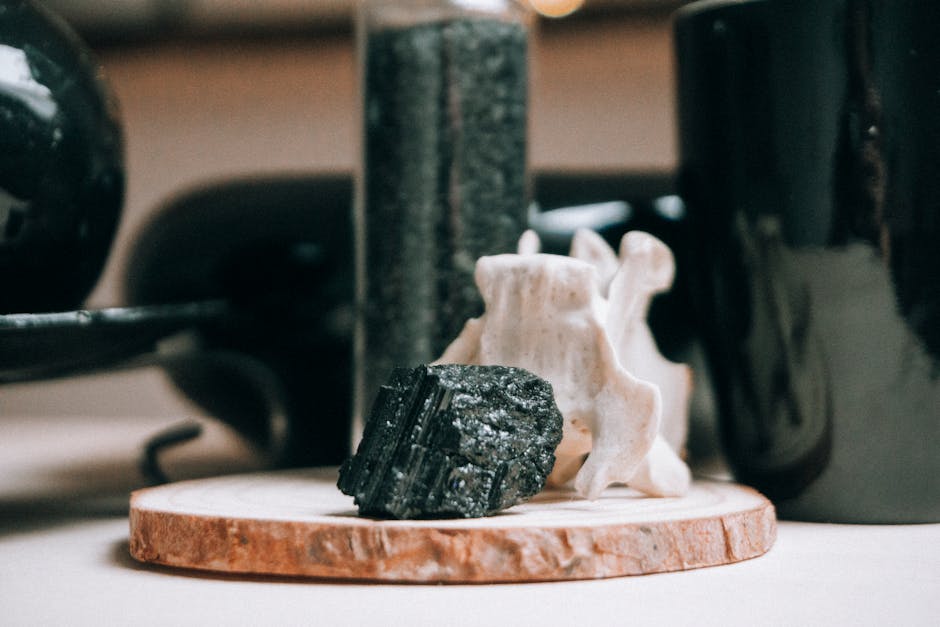
Black Tourmaline: The Ultimate Protection Crystal Guide
This post contains affiliate links. If you purchase through these links, we may earn a small commission at no extra cost to you.
In the silver mines of medieval Germany, miners descended into the dark earth carrying a peculiar black stone they called “Schörl.” They believed this jet-black mineral — known today as black tourmaline — would ward off the earth spirits and malevolent forces said to haunt underground passages. What those miners could not have known is that modern science would eventually confirm something remarkable about their cherished talisman: black tourmaline is both piezoelectric and pyroelectric, meaning it generates a measurable electrical charge when subjected to mechanical pressure or changes in temperature. That physical reality, documented in geological literature for over a century, gives the long tradition of black tourmaline protection an unusually solid foundation beneath its spiritual significance.
Today, black tourmaline is the most consistently recommended crystal for energetic shielding, from placement near Wi-Fi routers to wearing a black tourmaline bracelet through a stressful workday. In this guide, I’ll walk you through everything you need to know about black tourmaline meaning, black tourmaline properties, practical uses, and how to choose the right form for your specific needs.


More Black Tourmaline Essentials
Complete your collection with these highly-rated picks.
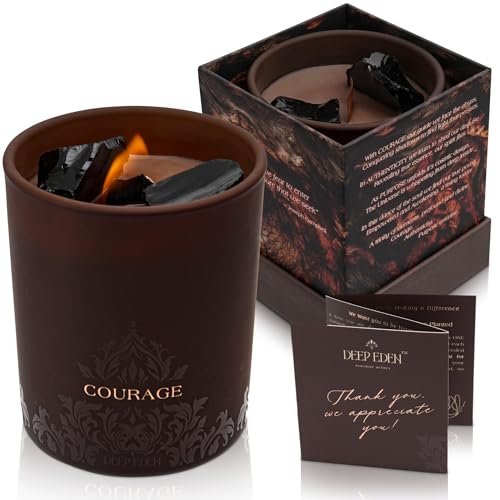
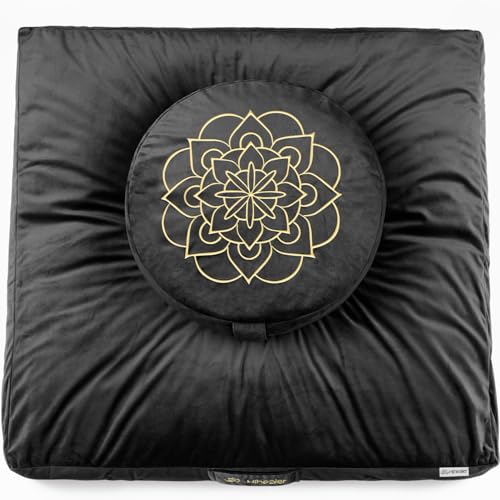
Prices updated via Amazon. As an affiliate, we earn from qualifying purchases.
Recommended Black Tourmaline Products
These hand-picked products are selected for quality and value. As an Amazon Associate, we earn from qualifying purchases.


What Is Black Tourmaline? Meaning, Origin, and Geology
Black tourmaline — scientifically named schorl — belongs to the tourmaline group of complex boron silicate minerals. According to the Gemological Institute of America (GIA), tourmaline encompasses one of the widest color ranges of any mineral family, spanning colorless to black, but schorl accounts for roughly 95% of all tourmaline found in nature, making it by far the most abundant variety. Its characteristic black color stems from high iron content within its crystal lattice.
Our Top Black Tourmaline Picks
We’ve hand-picked these products based on quality, reviews, and value. Prices and availability are updated regularly via the Amazon API.
Recommended Black Tourmaline Products
Hand-picked for quality, reviews, and value — enhance your black tourmaline experience.


Prices updated via Amazon. As an affiliate, we earn from qualifying purchases.
Mindat.org, the world’s largest open mineralogy database, records schorl deposits on every continent. Notable sources include Minas Gerais, Brazil (among the finest quality and most widely available), Gilgit-Baltistan, Pakistan (prized for large, well-formed crystals), Nigeria, Namibia, and domestic US deposits in Maine and California. Maine, in particular, has a celebrated history of tourmaline mining, with famous localities at Mount Mica and the Dunton Quarry producing exceptional specimens since the 1800s.
The Name “Schorl” and Its Historical Roots
The name schorl predates modern mineralogy by centuries. Linguistic historians trace it to a village in Saxony, Germany — Zschorlau — near which significant deposits were mined as early as the 1400s. The Smithsonian Institution’s Department of Mineralogy notes that tourmaline’s formal scientific classification came in 1850, though humans had been working with the mineral for millennia before that designation. Sri Lankan gem traders in the early 1700s exported tourmaline specimens to Europe under the Sinhalese term “turamali,” meaning “stone with mixed colors” — though the black variety was always valued less for gem use than for protection, industry, and ritual. Shop Black Tourmaline Bracelet on Amazon
Physical Characteristics
Black tourmaline crystallizes in the trigonal system, typically forming elongated prismatic crystals with distinctive vertical striations on the prism faces — a feature that immediately distinguishes it from black obsidian (volcanic glass) or black kyanite (bladed, no striations). Its Mohs hardness of 7 to 7.5 makes it durable enough for daily wear in jewelry. Specific gravity ranges from 3.0 to 3.2, lending it the satisfying density that practitioners often associate with its grounding energy.
Its piezoelectric and pyroelectric nature is particularly significant. Research in applied mineralogy has confirmed that schorl generates a measurable electrical charge under mechanical stress or thermal change — a property that gave it early industrial applications in pressure gauges before synthetic piezoelectrics were developed. This physical behavior underlies both historical protective use and contemporary interest in black tourmaline for EMF environments.

Black Tourmaline Properties: Scientific and Metaphysical
The most grounded approach to crystal healing properties holds both lenses simultaneously — the geological and the traditional. Black tourmaline rewards this dual perspective more than almost any other stone, because its measurable physical properties give unusual texture to its long metaphysical history.
Geological and Scientific Properties at a Glance
- Chemical classification: Cyclosilicate (ring silicate), tourmaline group; formula NaFe²⁺₃Al₆(Si₆O₁₈)(BO₃)₃(OH)₃(OH)
- Crystal system: Trigonal (hexagonal scalenohedral)
- Hardness: 7–7.5 Mohs
- Luster: Vitreous to resinous
- Cleavage: Indistinct; fracture conchoidal to uneven
- Piezoelectric: Yes — generates charge under pressure
- Pyroelectric: Yes — generates charge with temperature change
- Primary sources: Brazil (Minas Gerais), Pakistan, Nigeria, Namibia, USA (Maine, California)
Metaphysical Properties and Traditional Associations
Within crystal healing traditions, black tourmaline protection is understood as active and dynamic rather than passive. Unlike some protective stones that work by absorbing negative energy — and consequently require very frequent cleansing — black tourmaline is traditionally believed to repel and transmute negativity at the boundary of the practitioner’s field, sending it back to neutral source energy rather than retaining it. This distinction is one reason it has become the foundation stone for so many practitioners working with crystals for protection.
Its elemental affinity is Earth, and its chakra association is the root (Muladhara) — the energy center governing physical safety, survival instincts, and groundedness in the material world. The stone’s dense, iron-rich composition resonates with earth energy in a way that practitioners consistently describe as uniquely anchoring. If you are exploring grounding crystals for the first time, black tourmaline is the stone I point to first, without reservation.
Traditional metaphysical associations include: Shop Tourmaline Necklace on Amazon
- Element: Earth
- Chakra: Root (Muladhara)
- Planet: Saturn
- Zodiac: Capricorn, Scorpio, Libra
- Numerology: 3 and 4
- Energy action: Repelling, transmuting, grounding, shielding
Black Tourmaline Protection: The Full Spectrum of Uses
Black tourmaline protection is not a single-use proposition — it addresses multiple layers of energetic vulnerability. Over the years I have worked with this stone, its versatility has consistently impressed me. Below are the most common and well-documented applications.
Protection Against Negative Energy and Energetic Drain
The foundational use of black tourmaline is shielding against negative energy in its broadest sense — whether originating from other people, from draining environments, or from what various traditions call psychic attack, energetic vampirism, or simply the accumulated emotional residue of difficult places. Crystal practitioners across traditions, from Western ceremonial magic to Andean healing practices, have placed black stones at thresholds and boundaries for exactly this reason.
One of the most enduring practices is positioning black tourmaline at the main entrance to a home or room — just inside or outside the door — to prevent negative energy from entering. Combined with intentional placement at other vulnerable points (windows, corners), this creates what practitioners call a protective grid. For a deeper exploration of crystals for psychic protection, including complementary stones and advanced grid techniques, our dedicated guide covers the full approach.
EMF Protection in Modern Environments
The most frequently discussed contemporary application is black tourmaline for electromagnetic field (EMF) protection. This use case deserves honest treatment. EMFs are measurable physical phenomena produced by smartphones, Wi-Fi routers, smart meters, and high-voltage electrical infrastructure. Research on the health effects of chronic low-level EMF exposure — particularly non-ionizing radiation from consumer devices — remains an active and sometimes contested area, with regulatory bodies like the World Health Organization continuing to monitor emerging studies.
What can be said with scientific grounding is that black tourmaline’s piezoelectric nature means it genuinely interacts with electrical fields at a measurable level. Whether this interaction provides meaningful shielding at the intensities modern devices emit is not established by current research. What practitioners report consistently — and what I have observed in my own experience — is a subjective sense of greater calm, less mental noise, and better focus when working near black tourmaline. Whether this reflects a direct physical effect, a grounding influence on the nervous system, or intentional practice creating psychological clarity, the outcome is real. A black tourmaline tower placed beside a computer or router is the most common recommendation among practitioners. For a full comparative analysis, see our guide to crystals for EMF protection.
Anxiety, Overwhelm, and Emotional Grounding
Black tourmaline’s connection to the root chakra makes it a reliable ally for anxiety and emotional overwhelm. Unlike more activating stones — clear quartz, citrine, or moldavite — black tourmaline has an energy that practitioners describe as anchoring: it draws scattered or agitated energy downward, from a racing mind into the body and the present moment. This makes it particularly valuable during panic, dissociation, or periods of intense stress.
It appears regularly among the most recommended crystals for anxiety precisely because its action is immediate and perceptible even to those new to crystal practice. Held in the non-dominant hand during moments of acute anxiety, it can serve as a somatic anchor — a return point to the physical body when mental overwhelm threatens to sweep attention away.
Home and Space Protection Grids
One of the most practical and oldest applications of black tourmaline is protecting the home as an entire energetic space. The most widely practiced technique involves placing four pieces of raw black tourmaline in the four corners of a room — or of the entire house, working corner to corner — to create a sealed protective boundary. The raw form is preferred here because unpolished crystal surfaces are believed to radiate energy more broadly and evenly than polished pieces.
A set of raw black tourmaline pieces gives you the flexibility to distribute protection throughout your space. Our step-by-step guide to how to use protection crystals for your home walks through corner placement, threshold protection, and more advanced grid configurations in detail.
How to Choose, Use, and Care for Black Tourmaline
Choosing the Right Black Tourmaline
Not all pieces are equivalent, and knowing what to look for helps you find stones with genuinely resonant energy rather than settling for low-quality material. My practical recommendations:
- Verify the striations: Authentic black tourmaline displays fine vertical lines (striations) running lengthwise along the crystal. Smooth, glassy black stones without visible texture are likely black obsidian or, worse, dyed glass. Striations are your primary authentication marker when shopping in person.
- Raw vs. tumbled vs. polished: Raw specimens work best for home placement and grids. Tumbled stones are ideal for pockets and daily carrying. Polished towers and obelisks concentrate energy directionally, making them well-suited for desk placement near electronics.
- Size for purpose: For home corner placement, look for pieces of 50–100g or larger. For carrying daily, a tumbled piece the size of a large marble is sufficient. For jewelry, choose stones set in sterling silver or copper for maximum wearability.
- Source quality: Brazilian tourmaline from Minas Gerais remains the benchmark for quality and energetic clarity. Pakistani specimens tend toward larger, more dramatic formations. Our guide to real crystals on Amazon helps identify trustworthy online sellers and avoid common fakes.
How to Use Black Tourmaline in Daily Practice
As wearable protection: A black tourmaline bracelet worn on the left wrist — the receiving side of the body in most energetic traditions — maintains a continuous protective field throughout your day. A black tourmaline pendant close to the chest is preferred for protection in emotionally intense social environments.
For home protection: Place raw pieces at the four corners of each room or at each corner of your home’s perimeter. Add a piece just inside or outside the main entrance. Refresh placement with cleansing every 4–6 weeks. Shop Protection Crystal Bracelet on Amazon
For electronics placement: Position a tower or raw specimen within 12 inches of your router, computer, or smart TV. Cleanse monthly.
In meditation: Hold black tourmaline in your non-dominant hand or place it at the base of the spine while lying down. Its grounding weight pulls the body into deeper presence. For detailed meditation techniques, see our guide to how to meditate with crystals.
Carrying daily: A smooth tumbled piece in your left pocket provides portable shielding for commutes, crowded spaces, or any situation where you anticipate energetic challenge.
Cleansing and Recharging Black Tourmaline
Even a stone traditionally understood as repelling rather than absorbing negativity benefits from regular cleansing, particularly when used in active protection work. The physical handling alone warrants periodic energetic reset. Our comprehensive guide to how to cleanse crystals covers all methods, but these work especially well for black tourmaline:
- Running water: Hold under cool running water for 45–60 seconds while visualizing the stone clearing. Black tourmaline is water-safe, unlike selenite or malachite.
- Smoke cleansing: Pass through sage, palo santo, or cedar smoke for 30 seconds, rotating the stone so all surfaces are exposed.
- Earth burial: Bury in soil for 24 hours for deep reset — particularly resonant for an earth-element stone. Mark the burial site and set a reminder.
- Moonlight: Place on a windowsill during a full moon overnight. Black tourmaline holds up well to both sunlight and moonlight, though I prefer the moon’s energy for stones used in protective work.
- Sound: A singing bowl or tuning fork held near the stone clears its field rapidly — practical when you need a quick reset between uses.
For stones placed in home corners or near electronics, cleanse monthly as routine maintenance. Pieces worn or carried daily benefit from weekly cleansing.
Black Tourmaline vs. Other Protection Crystals: A Comparison
Black tourmaline is the most widely recommended protection crystal, but understanding how it compares to complementary stones helps you build a more layered and effective practice.
| Crystal | Primary Protection Type | Energy Quality | Best Use Cases | Chakra |
|---|---|---|---|---|
| Black Tourmaline | All-around shielding, EMF, negative energy, psychic protection | Dense, grounding, repelling | Home grids, daily carry, electronics placement, anxiety grounding | Root |
| Black Obsidian | Deep psychic protection, shadow work, cord-cutting | Intense, revealing, absorbing | Shadow work, emotional excavation, scrying, cord-cutting rituals | Root, Earth Star |
| Smoky Quartz | Transmutation of negative energy | Gentle, clearing, grounding | Environmental stress, gentle shielding, beginners, anxiety | Root, Solar Plexus |
| Labradorite | Aura protection, psychic shielding | Mystical, iridescent, deflecting | Sensitives and empaths, aura strengthening, psychic work | Third Eye, Crown |
| Shungite | EMF mitigation, purification | Dense, heavy, purifying | Electronics placement, water purification, carbon-based cleansing | Root, Earth Star |
| Selenite | Spiritual protection, auric cleansing | High-frequency, light, clearing | Space clearing, paired with black tourmaline for complete coverage | Crown, Higher Crown |
In my practice, I rarely rely on black tourmaline alone. My most consistently effective combination pairs it with selenite — black tourmaline at the root for grounding and boundary-setting, selenite at the crown for maintaining a high-frequency, light-filled field. Together they address the full vertical axis of the energy body: dense protection at the base, luminous clarity at the top. For empaths and highly sensitive individuals, adding labradorite at the third eye completes a three-stone protective system that covers physical, psychic, and spiritual dimensions simultaneously.
Top Black Tourmaline Product Picks for Every Practice
If you are ready to bring black tourmaline into your practice, these are the forms and formats I recommend most consistently, based on years of working with students and clients at every experience level.
Raw Black Tourmaline Specimens
Raw, unpolished black tourmaline is the format I reach for first when setting up home protection or altar work. The natural crystal faces and visible striations are thought to radiate energy more broadly than polished forms, and the aesthetic connection to the earth feels right for a stone whose entire metaphysical identity is rooted in earthly protection. Look for pieces with clear crystal structure, visible prismatic faces, and sufficient weight for your intended placement. Browse raw black tourmaline for options ranging from small pocket-sized pieces (ideal for four-corner grids) to large display specimens.
Black Tourmaline Tower or Obelisk
A polished tower concentrates and directs energy from its apex, making it the preferred form for intentional placement near electronics. The flat base provides practical stability on a desk or shelf, and the pointed tip is understood in crystal tradition to project energy in a focused, upward and outward direction. A 3-to-4-inch tower next to a computer or router is the most common practical recommendation. Explore black tourmaline towers in a range of sizes — I favor medium specimens that balance visual presence with proportionate energy output for home office use.
Black Tourmaline Bracelet
For all-day wearable protection, a beaded bracelet remains the most practical and versatile format. Look for bracelets strung with genuine 8mm or 10mm black tourmaline beads (not dyed howlite or black glass — check seller descriptions for origin information). Wearing it on the left wrist keeps the stone in your personal energetic field continuously. Find black tourmaline bracelets in stretch, elastic, and adjustable styles to suit different wrist sizes and preferences.
Black Tourmaline Pendant
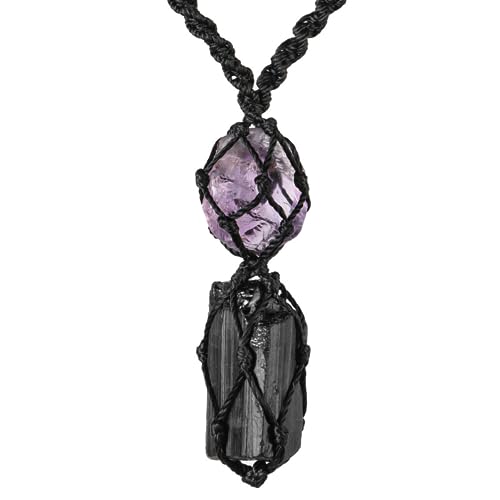
A pendant worn close to the body — ideally set in sterling silver, which many practitioners consider energetically amplifying — is ideal for those who spend time in challenging social environments, crowded urban spaces, or professional situations that feel energetically taxing. Raw wrapped pendants have a strong, direct energy; faceted or cabochon settings offer a more refined aesthetic for daily professional wear. Shop black tourmaline pendants for styles ranging from rustic wire-wrapped raw pieces to polished silver-set cabochons.
Conclusion: A Stone That Has Earned Its Reputation
From the silver mines of medieval Saxony to the desks and doorways of contemporary crystal practitioners navigating an increasingly complex electromagnetic and social world, black tourmaline has maintained its status as the definitive stone of protection across centuries, cultures, and continents. That is not coincidence. Its geological properties — piezoelectric, pyroelectric, dense with iron, fundamentally of the earth — give it a physical character that resonates with its traditional role in ways that few other minerals can match. It does something. Exactly what, and through which mechanisms, science and tradition continue to discuss. What thousands of years of consistent human use suggest is that whatever it does, it does it reliably.
Whether you are just beginning your journey with crystals for beginners or deepening an established practice, black tourmaline belongs in your collection. Start with a piece of raw black tourmaline for your home entrance and a tumbled stone for daily carrying. Add a bracelet or pendant if you move through demanding environments regularly. Work with it intentionally, cleanse it consistently, and pay attention to what shifts.
If you are ready to build a fuller protective crystal practice, our comprehensive guide to the best crystals for protection covers complementary stones, combination strategies, and advanced placement techniques that expand on everything covered here.
Last Updated on March 21, 2026
Amber, a certified crystal healer and spiritual teacher, shares her decade-long expertise on CrystalsAlchemy.com. Passionate about the transformative power of crystals, she helps others lead balanced lives through personal growth, spiritual development, and holistic well-being.
Related Posts:


We include products we think are useful for our readers. If you buy through links on this page, we may earn a small commission at no extra cost to you.
All content is strictly for informational purposes only and does not constitute legal, medical or other expert advice.
This article was originally published on
Looking for the perfect gift idea this holiday season? Try this free Gift Suggestion Tool. Giftly.ai is an intuitive tool personalizes gift suggestions based on a person's interests and your budget, streamlining your shopping experience. Try it now, and experience the ease of finding the ideal gift in seconds!


