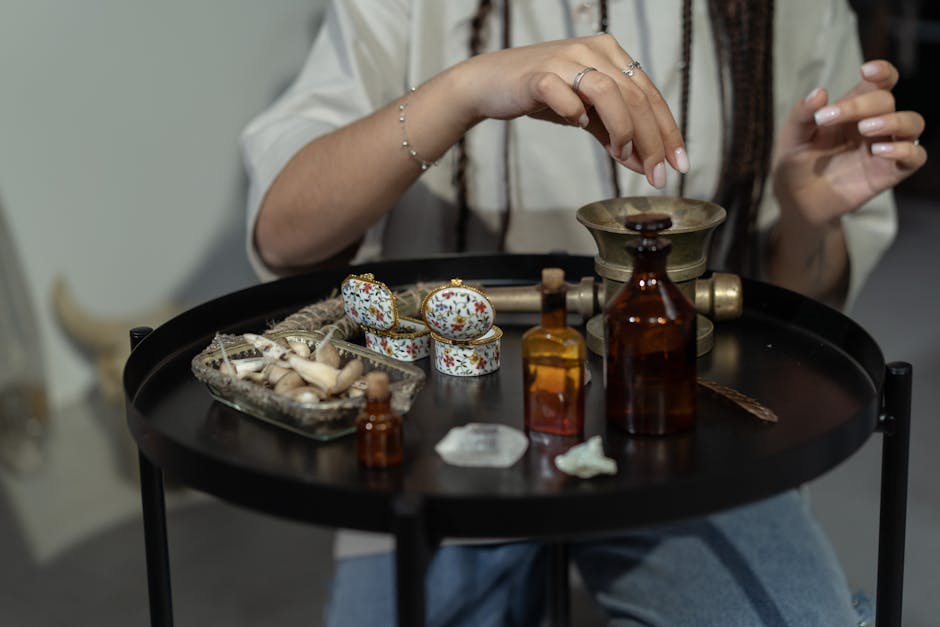
Crystal Elixirs & Gem Water: How to Make Safely
The most common question I get about crystal elixirs is also the one most tutorials answer dangerously wrong: “Can I just put my crystal in water?” — and the answer isn’t simply yes or no, it’s “it depends entirely on which crystal, and some of them can genuinely harm you.” The wellness world has made gem water look like a whimsical ritual anyone can try with any stone from their collection, quietly skipping over the mineralogy that makes certain crystals — malachite, cinnabar, selenite — either toxic or water-soluble. This guide covers both method and safety in full so you can work with crystal elixirs confidently, without second-guessing every choice.
What Are Crystal Elixirs — and Why Safety Isn’t Optional
I get this question constantly: “Can I just drop a crystal in my water bottle?” And honestly? The answer is both yes and absolutely not — depending entirely on which crystal you’re holding.
Crystal elixirs, also called gem water or crystal-infused water, are water charged with the vibrational energy of a stone. The idea is that the crystal’s energetic signature transfers into the water, which you then drink, bathe in, or use in rituals. It’s one of the most ancient and beautiful ways to work with crystal energy — and I make gem water almost weekly in my own practice.
But here’s what a lot of tutorials skip over: some crystals dissolve in water. Others contain genuinely toxic minerals — copper compounds, arsenic, lead, mercury sulfide — that leach directly into what you’re about to drink. That stunning raw Malachite on your shelf? Copper carbonate hydroxide. Cinnabar? Mercury sulfide. These aren’t edge cases or overblown warnings. This is mineral chemistry, and it matters.
The good news is that making safe, energetically potent crystal elixirs isn’t complicated once you understand the basics. Let me walk you through everything — from which crystals to avoid, to two simple methods that cover every situation.
Which Crystals Are Dangerous in Water (And Why)
Two things make a crystal unsafe for direct water contact: solubility (it dissolves) and toxic mineral content (it releases harmful compounds). Both are real concerns, and both are easy to work around once you know what you’re looking at.
Selenite is the classic solubility example — it’s gypsum, a calcium sulfate mineral, and it will slowly dissolve in water. You’d never know by looking at it. Halite (rock salt crystals) and some Calcite varieties do the same. Not dangerous, just destructive to the stone — and potentially gritty in your water.
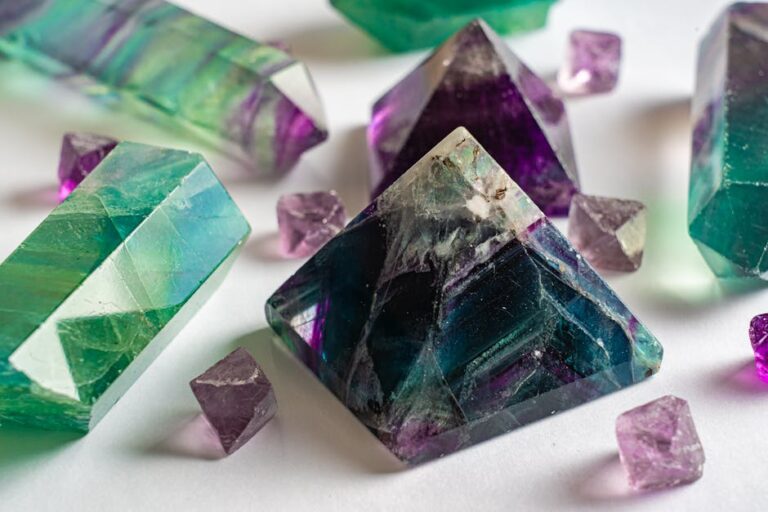
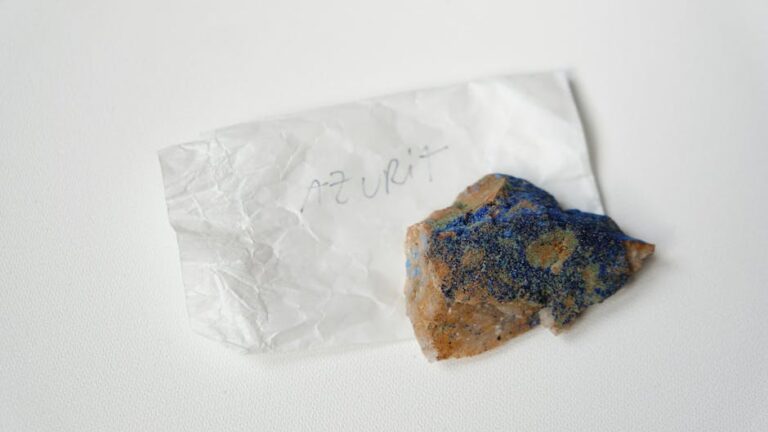
The toxic-content category is more serious. According to the USGS National Minerals Information Center, minerals like malachite (a copper carbonate), pyrite (iron sulfide), and cinnabar (mercury sulfide) have chemical compositions that pose real risks when in prolonged contact with water — particularly if that water is slightly acidic. Fluorite contains fluorine compounds. Turquoise and Azurite carry copper. And Malachite — as gorgeous as it is — should never go directly into drinking water.
Here’s the reference table I share with every student in my healing courses:
| Crystal | Risk Factor | Safe Method |
|---|---|---|
| Clear Quartz | None | ✅ Direct OK |
| Rose Quartz | None | ✅ Direct OK |
| Amethyst | None | ✅ Direct OK |
| Smoky Quartz | None | ✅ Direct OK |
| Citrine (natural) | None | ✅ Direct OK |
| Black Tourmaline | None | ✅ Direct OK |
| Malachite | Copper carbonate | ⚠️ Indirect only |
| Fluorite | Fluorine compounds | ⚠️ Indirect only |
| Lapis Lazuli | Pyrite inclusions, sulfur | ⚠️ Indirect only |
| Selenite | Dissolves in water | ⚠️ Indirect only |
| Pyrite | Iron sulfide, oxidizes | ⚠️ Indirect only |
| Turquoise | Copper + aluminum | ⚠️ Indirect only |
| Azurite | Copper carbonate | ⚠️ Indirect only |
| Cinnabar | Mercury sulfide | 🚫 Never |
| Galena | Lead sulfide | 🚫 Never |
A practical shortcut I give my students: if you’re ever unsure about a stone’s composition, check its listing on Mindat.org, the world’s most comprehensive mineral database. Look for copper, lead, mercury, arsenic, or fluorine in the chemical formula — those are your red flags. And always verify your crystals are genuine before using them in water; knowing how to spot fake crystals is an essential skill in this practice.
How to Make Crystal Elixirs: Two Safe Methods
Once you know what’s safe, making gem water is genuinely simple. There are two methods — and which you use depends entirely on your crystal. I’ll be honest: I use the indirect method almost exclusively now, because it works for everything without any guesswork. But both are valid, and both are easy.
Make Crystal Elixirs Safely
Listen to audiobooks on crystal water science, safe preparation methods, and the history of gem elixirs.
Free trial includes 1 audiobook + access to the Plus catalog. Cancel anytime. As an Amazon Associate we earn from qualifying purchases.
The Direct Method (For Safe Crystals Only)
The direct method places the crystal straight into the water. Traditional, simple, and effective — as long as you’re using a crystal from the safe list above.
- Cleanse your crystal first. Rinse it under cool running water (quartz varieties handle this just fine), then hold it for a moment and set your intention. This isn’t just ritual theater — arriving with presence rather than just going through the motions makes a real difference in the practice.
- Use filtered or spring water. Start clean. Chlorinated tap water isn’t ideal, energetically or practically.
- Place the crystal in a glass vessel. Glass only — not plastic, not metal. I use a simple mason jar or a glass pitcher. Metal containers can interact with minerals over time.
- Infuse for 4–24 hours. A few hours in sunlight gives a quick, active charge. Overnight on a windowsill is my everyday default. Full moon overnight is my recommendation for the most intentional elixirs.
- Remove the crystal and use the water immediately, or store it sealed in the refrigerator for up to three days.
The Healing Crystals First Aid Manual describes direct placement as one of the most effective preparation methods for gem water — while also being clear that crystal selection is everything. That caveat isn’t filler. Take it seriously.
The Indirect Method (Safe for Every Crystal)
This is the method I recommend to everyone, especially beginners — because it works for any crystal without any risk. The crystal never touches the water directly.
- Place your crystal in a small sealed glass container — a shot glass, a small jar with a lid, or a sealed glass vial all work perfectly.
- Set that smaller container inside a larger vessel of water so the sealed crystal sits submerged but enclosed. The water surrounds the glass; the crystal never contacts it directly.
- Infuse for the same amount of time as the direct method — 4 to 24 hours, with the same sun, moon, or windowsill options.
- Remove the inner container, then drink or use the surrounding water.
I genuinely prefer this method even when working with “safe” crystals. It removes all guesswork and means I can use whichever stone I’m intuitively called to that day — whether that’s a grounding black crystal for protection, a heart-opening Rose Quartz, or a Mercury-aligned stone for clarity and communication.
The energetic transfer still happens. The vibrational information passes through the glass. You’re creating a physical barrier, not an energetic one.
Charging Your Gem Water: Sun, Moon, and Intention
Where and when you infuse your crystal elixir changes its energetic quality. This is one of my favorite parts of the practice — it lets you tune the water to exactly what you need right now.
- Full Moon water is the most popular approach for good reason. Moonlight is gentle, reflective, and deeply cleansing. I make Rose Quartz moon water every single month. It’s one of the most consistent tools I reach for when supporting crystal healing for anxiety — there’s something about sipping moon-charged Rose Quartz water that genuinely settles the nervous system.
- Sunlight charging brings active, radiant energy. Clear Quartz elixir charged in the morning sun feels clarifying and energizing — perfect for an intention-setting practice or a creativity boost. One note: avoid leaving Amethyst in direct sunlight for extended periods, as UV exposure can fade it over time.
- Windowsill or ambient light is my everyday default. Set it out overnight, wake up to charged water. No ceremony required — just clean intention.
One thing I always do regardless of method: I hold the vessel before I seal it, close my eyes, and set a clear intention. What are you calling in? Clarity? Calm? Confidence? Say it out loud if you can. According to Gem Water by Michael Gienger and Joachim Goebel, intention and conscious awareness during preparation are considered essential to the practice’s effectiveness — not just passive placement. Energy follows attention, always.
For a deeper understanding of how to work with crystals intentionally across different healing contexts, this guide to crystal therapy covers the foundational principles beautifully.
How to Use Your Crystal-Infused Water
You’ve made your gem water — now the fun part. Here are the ways I actually use crystal elixirs in my own practice, from the beautifully simple to the ceremonial:
- Drink it mindfully. This is the most direct path. Sip slowly in the morning while setting your intentions for the day. I drink Rose Quartz water almost every morning — the ritual quality of it matters as much as the water itself.
- Add it to a bath. Pour a full batch of gem water into a warm bath, add a few drops of essential oil, and soak. Amethyst or Smoky Quartz elixir makes a beautiful energetic cleansing bath — exactly what I recommend after a heavy or draining week.
- Mist your space or your crystals. Pour gem water into a small spray bottle and use it to refresh the energy in a room, cleanse your altar, or lightly mist over your face during meditation. Clear Quartz water is my go-to for this.
- Use it in rituals and ceremony. Gem water and crystal elixirs feel completely at home on altars, in circle work, and in any intentional ceremonial practice. I always keep a small vessel on my altar during new and full moon work.
- Water your plants. I know how this sounds — but I’ve done it for years, especially with growth-oriented stones. There’s something satisfying about returning crystal-charged water to the earth.
Store your crystal elixir in a sealed glass container in the refrigerator and use it within three days. After that, make a fresh batch — the intention stays cleaner that way too. And if you’re working with elixirs as part of a broader healing practice, pairing them with chakra-aligned stones can deepen the energetic focus considerably.
A Gift of Wellness
Gift an Audible membership with audiobooks on crystal healing.
Frequently Asked Questions
Can I drink crystal-infused water every day?
Yes — as long as you’ve made it safely using a non-toxic crystal, clean water, and either the direct or indirect method. Many practitioners, myself included, drink Rose Quartz or Clear Quartz water daily as part of a morning ritual.
Just refresh your elixir every 2–3 days and store it sealed in the refrigerator. The water itself is perfectly safe to drink; the crystal energy is the intentional layer that makes it meaningful.
How long should I leave crystals in water to make an elixir?
Anywhere from 4 to 24 hours is the standard range. A few hours in direct sunlight gives a quick, active charge; overnight on a windowsill is gentle and reliable; a full moon overnight is my recommendation for the most intentional, ceremony-grade elixirs.
Beyond 24 hours, you don’t gain meaningful extra benefit. If anything, I prefer shorter infusion times with clearer intention over long passive soaks with no focus.
What’s the safest crystal to start with for gem water?
Clear Quartz is my number one recommendation for beginners — it’s pure silicon dioxide, chemically stable, safe for direct water contact, and its energy is amplifying and clarifying. It works with whatever intention you bring to it, which makes it endlessly versatile.
Rose Quartz is my second pick, especially if you’re working with emotional healing, self-love, or anxiety. Both are widely available, affordable, and genuinely beautiful to work with.
Does the indirect method work as well as the direct method energetically?
In my experience — and in the experience of the practitioners I’ve trained alongside — yes, the indirect method is equally effective energetically. The vibrational information transfers through the glass barrier; you’re only preventing physical mineral contact, not energetic exchange.
I actually prefer the indirect method in most situations because it gives me complete freedom to use any crystal I feel called to, without running a mineral safety check every time. For anyone working with a wide variety of stones, it’s simply the more practical and versatile approach.
Where can I buy crystals for making elixirs?
Look for reputable crystal shops — either local metaphysical stores where you can handle stones in person, or established online retailers that specialize in crystals and are transparent about sourcing. For gem water specifically, tumbled or polished stones are easier to work with than raw clusters, which can have small loose fragments and are trickier to clean thoroughly.
Always prioritize authenticity. A dyed, treated, or outright fake crystal (glass or resin) won’t give you the same experience — and some synthetic treatments are a genuine concern in water. Before using any new stone in an elixir, it’s worth checking our guide to identifying fake crystals so you know exactly what you’re working with.
6 Sources
- Gem Water: How to Prepare and Use More Than 130 Crystal Waters — Gienger & Goebel
- The Healing Crystals First Aid Manual — Michael Gienger
- USGS National Minerals Information Center
- Mindat.org — Mineralogy Database
- Study: CrystalBasics: The Energetic,Healing, andSpiritual Powerof 2
- GIA (Gemological Institute of America)
Last Updated on April 19, 2026
We may earn a commission from links on this page at no extra cost to you. This helps us keep CrystalsAlchemy running.
This article was originally published on