How to Build a Crystal Grid: Step-by-Step Guide
Crystal grids look complicated on Instagram — all those perfectly symmetrical arrangements and sacred geometry boards — which makes beginners either over-engineer their first attempt or skip it entirely out of fear of doing it wrong. The truth is that grids aren’t about perfection; they’re about geometry and intention working together, and once you understand the basic logic behind how a grid functions, building one becomes surprisingly intuitive. This step-by-step guide strips out the intimidation factor and walks you through the exact same approach I use in my own practice — from choosing your center stone to activating the whole thing.
What Is a Crystal Grid (and Why It Actually Works)
If you’ve ever wondered how to build a crystal grid — or why so many practitioners swear by them — here’s the short answer: a grid takes the energy of individual crystals and multiplies it through sacred geometry. Think of it like the difference between one speaker and a full surround-sound system. Same music, completely different experience in your chest.
I stumbled onto crystal grids about three years into my healing practice, and honestly, they changed everything. A single stone feels like a whisper compared to the resonance of a full grid. A crystal grid is an intentional arrangement of stones placed in a geometric pattern on a flat surface — a cloth, a wooden board, your altar — that creates a sustained, amplified energetic field around your specific intention.
What sets a grid apart from simply scattering crystals around a room is the geometry. Sacred geometric patterns — the Flower of Life, Metatron’s Cube, the Seed of Life — aren’t arbitrary decoration. These shapes appear throughout nature and have been used in spiritual traditions for millennia because they create specific harmonic relationships between the stones placed along their lines. The geometry is the circuit board; your crystals are the power source.
As Crystal Power, Crystal Healing explains, combining individual stones creates a portrait of healing that goes far beyond what any single crystal can achieve on its own — each one contributing to a larger energetic whole.
I’ve built grids for abundance, grief, creative blocks, and home protection. The results consistently surprise even the skeptics in my life. If you want to understand the energetic principles behind why this works, my article on the science behind crystal energy is a great starting point. But right now, let’s build your first grid from scratch.
What You Need to Build a Crystal Grid
The good news: you don’t need expensive equipment or a perfectly curated collection to get started. Here’s what I recommend gathering before you sit down:
- A center stone: This is the anchor of your entire grid. Clear quartz is my default recommendation because it amplifies everything around it. But choose whatever stone resonates most strongly with your core intention.
- Surrounding stones (6–12): These support and direct the center stone’s energy outward. Tumbled stones, raw points, small spheres — whatever you have works.
- Way stones (optional): Smaller stones placed between your surrounding stones to help energy flow through the circuit, like connectors in a wire.
- A grid cloth or printed template: Sacred geometry guides your stone placement. Printable Flower of Life and Metatron’s Cube templates are easy to find, or invest in a wooden grid board if grids become a regular practice for you.
- An activation tool: A clear quartz wand, a selenite stick, or your finger. You’ll use this to connect the grid energetically after placement.
- Your written intention: A small piece of paper with your specific goal, folded and placed beneath the center stone. Specificity matters — “I am attracting a new client for my business this month” beats “I want success.”
- A cleansed space: Smoke, sound from a singing bowl, or simply opening windows and setting a clear intention for the room. Start clean.
For protection-focused grids, I always anchor with powerful protective stones like black tourmaline or shungite — they form an energetic boundary that the geometric pattern then amplifies beautifully.
How to Build a Crystal Grid: Step by Step
Here’s my personal process, refined over years of practice. It’s designed to be clear and intuitive whether this is your first grid or your fiftieth.
Step 1 — Write Your Intention: Before you touch a single stone, get specific. Sit quietly, close your eyes, and get clear on exactly what you’re calling in. Write it in present tense on a small piece of paper as if it’s already happening — “I am” not “I want.”
Step 2 — Choose Your Sacred Geometry Pattern: Your pattern determines how energy flows through the grid. For beginners, the Flower of Life is your best starting point — balanced, versatile, and forgiving of imperfect placement. I break down all the main patterns with a full comparison in the next section.
Step 3 — Cleanse Your Crystals and Space: Pass each stone through smoke, sound, or moonlight. Then take three slow, deep breaths and center yourself. Your energy becomes part of this grid — bring your calmest, most focused self to the process.
Step 4 — Place Your Center Stone: Fold your written intention and set it at the exact center of your grid cloth. Place your center stone directly on top of it. Hold it in both hands, state your intention aloud, and feel it. This is the heart of the entire grid.
Step 5 — Place Surrounding Stones Outward: Work from the center outward, following the lines of your geometric pattern. I work clockwise for intentions around growth, attraction, and abundance — counterclockwise for releasing, protection, and clearing. Trust your instincts; you’ll feel when a stone lands in the right spot.
Step 6 — Add Way Stones (If Using): Place smaller connector stones between your surrounding stones. They’re optional but help complete the energetic circuit, especially in larger or more complex grids.
Step 7 — Activate the Grid: This is the step most people skip, and it’s the one that brings everything to life. Using your wand or finger, start at the center stone and draw an energetic line to each outer stone, then trace the geometric shape connecting them all. As you move, visualize bright energy flowing along every line. Speak your intention clearly — feel it as already true. Your grid is now active and working.
Master Crystal Grids
Listen to audiobooks on sacred geometry, crystal grid techniques, and manifestation rituals.
Free trial includes 1 audiobook + access to the Plus catalog. Cancel anytime. As an Amazon Associate we earn from qualifying purchases.
Sacred Geometry Patterns for Crystal Grids
Sacred geometry isn’t just beautiful — it’s functional. Each pattern carries a distinct energetic frequency, and matching the right shape to your intention genuinely changes how the grid performs. Here’s how the most common patterns compare:
| Pattern | Best For | Stone Count | Difficulty |
|---|---|---|---|
| Flower of Life | General healing, balance, harmony | 7–19 | Beginner |
| Seed of Life | New beginnings, setting intentions | 7 | Beginner |
| Metatron’s Cube | Deep transformation, spiritual protection | 13+ | Intermediate |
| Star of David (Merkaba) | Relationships, balance, duality | 7–13 | Beginner |
| Fibonacci Spiral | Abundance, growth, natural flow | 8–21 | Intermediate |
The Seed of Life is where I recommend every beginner starts. Seven stones, clean pattern, and incredibly powerful for planting a new intention. The first grid I built using it was for a career transition I’d been stuck on for months — within three weeks, everything shifted. The Fibonacci Spiral is one I save for abundance work specifically; there’s something about its natural, expansive geometry that feels like working with the universe’s own language of growth.
My personal workhorse is the Flower of Life — I’ve used it for emotional healing, sleep support, abundance, and creative breakthroughs with equal success. It pairs beautifully with the stones in my guide to crystals for the bedroom if you’re building a calming grid for your sleeping space.
For deep protective or transformational work, Metatron’s Cube is extraordinary. It holds a dense, intentional energy ideal for significant life transitions. Pair it with powerful black crystals like tourmaline or obsidian for maximum energetic shielding.
Choosing Your Crystals by Intention
This is where knowledge meets intuition. There are time-tested crystal combinations that consistently work for specific intentions — but your pull toward a particular stone is also legitimate data. Here are my go-to combinations for the most common goals:
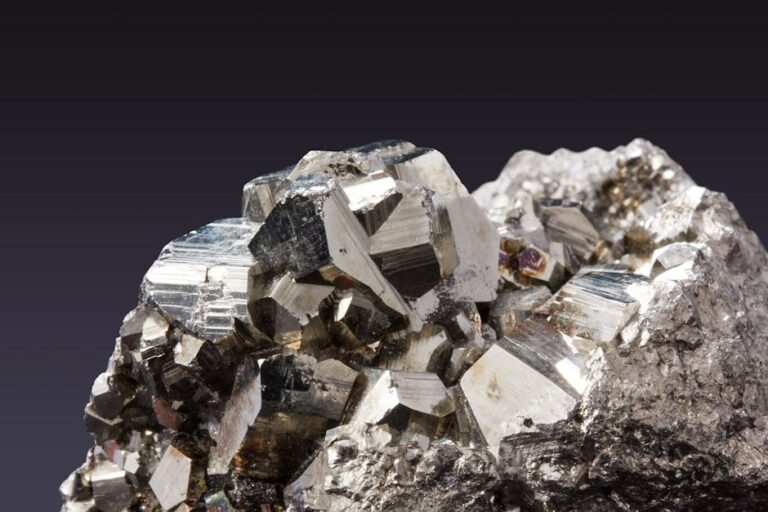
- Abundance and Prosperity: Citrine at center, surrounded by green aventurine and pyrite, with clear quartz points at the outer positions to amplify everything. This is the grid I’ve returned to most consistently in my own practice.
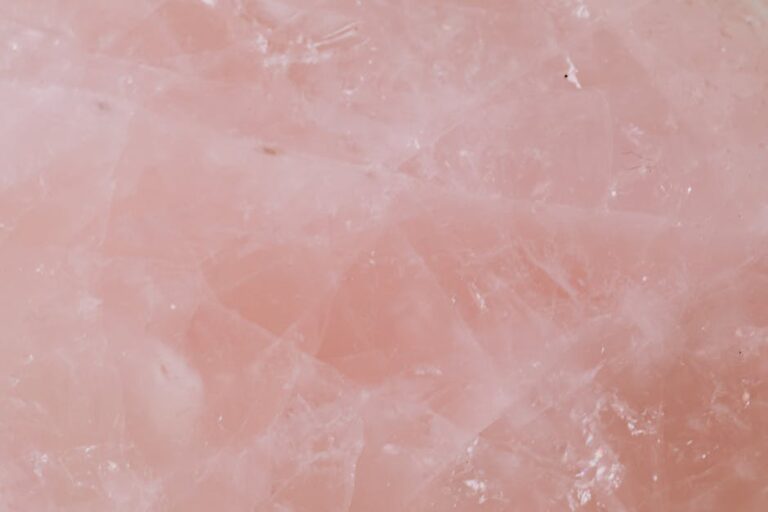
- Love and Relationships: Rose quartz at center, rhodonite and green aventurine for support. For self-love specifically, swap in rhodochrosite — one of the most underrated stones I know.
- Protection: Black tourmaline at center, surrounded by obsidian, smoky quartz, and shungite. This combination creates a serious, multi-layered energetic boundary.
- Mental Clarity and Focus: Clear quartz center with fluorite, sodalite, and lapis lazuli. This combination works beautifully alongside throat chakra healing practices for those navigating communication blocks or creative stagnation.
- Emotional Healing: Amethyst at center, with lepidolite, blue lace agate, and selenite. Gentle and deeply supportive — my top recommendation for anyone moving through grief or anxiety.
As Crystals for Beginners notes, crystal healing works as a form of energy healing where each stone’s individual properties contribute to a greater whole — which is exactly what a well-designed grid harnesses. And if you’re ever unsure why a particular stone is calling to you, trust that pull. Your connection to a crystal is part of how it works.
Activating, Maintaining, and Closing Your Grid
Building the grid is only the beginning. What you do after matters just as much as the construction itself.
Daily maintenance: Spend even two to five minutes with your grid each day. Touch the center stone, restate your intention — silently or aloud — and visualize energy flowing through the pattern. I re-trace the activation lines with a selenite wand every few days to keep the energy fresh and focused. It takes 60 seconds and makes a noticeable difference.
How long to leave it up: For a specific, time-bound goal — a job interview, a health challenge, a difficult conversation — leave the grid active until the situation resolves. For ongoing work like abundance or home protection, some of my grids have stayed on my altar for months. When the energy starts to feel flat or complete, that’s your signal.
Signs your grid needs refreshing: Stagnant or flat energy when you sit with it. A stone that keeps falling over (yes, this happens more than you’d think). A general feeling that something’s off in the space. Take these as signals to cleanse the stones and rebuild with fresh intention.
Placement in your home matters too. A bedroom grid benefits from being positioned on a nightstand or dresser where it won’t be disturbed. An abundance grid does well in a home office or at your desk. A protection grid is most powerful near the main entrance or in a central room where energy flows through most.
How to close a grid with intention: When you’re ready to dismantle, work counterclockwise from the outermost stones inward, lifting each one with genuine gratitude for what it contributed. This properly closes the energetic circuit and honors the work. Cleanse every stone before storing or reusing them in a new grid — don’t carry old energy into fresh intentions.
Crystal grids are one of the most rewarding practices I’ve encountered in years of healing work. Whether this is your first grid or your hundredth, there’s always something new to discover. Start simple, stay curious, and trust what you feel — your intention is the most important ingredient in any grid you build.
A Gift of Manifesting Power
Gift an Audible membership with audiobooks on manifestation.
Frequently Asked Questions
How many crystals do I need to build a crystal grid?
You can build an effective grid with as few as 7 stones — one center stone plus six surrounding ones, which is exactly what the Seed of Life pattern requires. As you get more comfortable, you can expand to 13 or more for patterns like Metatron’s Cube. Start small; the clarity of your intention matters far more than the quantity of stones on the cloth.
Does a crystal grid need to be activated to work?
Yes — activation is what transforms a beautiful arrangement of stones into a functioning energetic circuit. Without it, the grid sits dormant. Use a crystal wand or your finger to trace connecting lines between each stone, starting from the center and working outward, while holding your intention clearly in mind. Don’t skip this step; it’s the difference between a decoration and a working grid.
How long should I leave a crystal grid up?
It depends entirely on your intention. For goals tied to a specific event or timeline, leave the grid active until that situation resolves. For ongoing work — abundance, protection, emotional healing — there’s no set time limit; some of my grids have stayed on my altar for months. When the energy starts to feel flat or “finished,” that’s your cue to cleanse the stones and either rebuild or close with gratitude.
Can I build a crystal grid for someone else?
Absolutely — and some of the most meaningful grids I’ve built have been for people going through difficult seasons. Hold their name and highest wellbeing clearly in your intention throughout the entire building and activation process. If possible, let them know the grid is active so they can add their own focus to it — shared intention genuinely amplifies the effect.
Where can I buy good crystals for a crystal grid?
Your local crystal shop is always the best starting point — being able to hold a stone before buying it matters more than most people realize, and you’ll often find pieces that feel right in a way photos never quite capture. If you’re shopping online, look for reputable sellers who photograph individual stones and are transparent about sourcing. A crystal subscription box is also a wonderful way to build your grid collection gradually, discovering new stones each month without overwhelming your budget.
7 Sources
Last Updated on April 19, 2026
We may earn a commission from links on this page at no extra cost to you. This helps us keep CrystalsAlchemy running.
This article was originally published on