Rhodochrosite Crystal: Meaning, Properties & Healing Guide
Rhodochrosite is one of those crystals that earns its reputation. Whether you’re drawn to it for energy work, emotional healing, or spiritual growth, this guide covers everything you need — from its core healing properties to the best ways to cleanse, charge, and use it with real intention.
What Is Rhodochrosite? Meet the Stone That Heals the Heart
Have you ever picked up a crystal and just… felt something? Not metaphorically — I mean a literal shift in your chest, a softening you didn’t expect. That’s what rhodochrosite does. I’ve been working with crystals for over a decade, and honestly, this one still surprises me. People pick it up skeptical and put it down quiet.
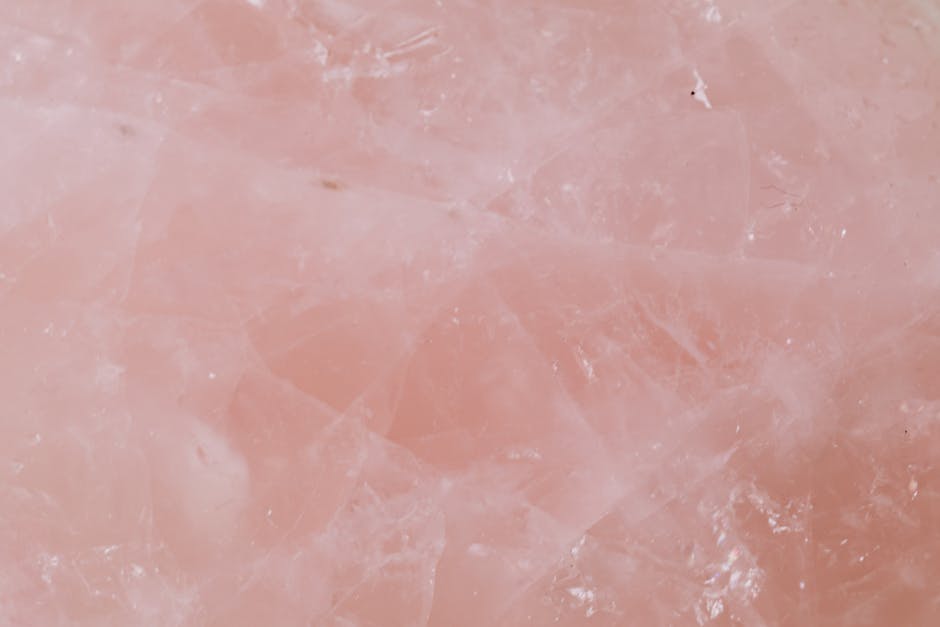
Rhodochrosite is a manganese carbonate mineral — chemical formula MnCO₃ — and in its purest form, it’s a rich rose-red that looks almost too vivid to be real. Most of what you’ll encounter comes in those gorgeous swirled patterns: cream and rose-pink bands layered like tree rings, every piece slightly different from the last. No two are identical. According to Wikipedia’s mineralogical data, it registers between 3.5 and 4.5 on the Mohs hardness scale — softer than most crystals, which matters for how you care for it.
It forms primarily in silver and lead ore deposits, most famously in the ancient mines of Argentina, but also in South Africa, Colorado, and Peru. The Argentinian specimens — especially the banded stalactite slices from the Capillitas mine in Catamarca province — are considered among the most beautiful minerals on earth. Museum-quality pieces with perfect concentric rings of rose and cream are displayed in natural history collections worldwide. There’s a reason Argentina named this its national gemstone.
If you’ve felt drawn to heart-centered healing lately, rhodochrosite might be exactly what’s calling your name. It’s one of those stones where the history, the geology, and the energy all line up into something genuinely special — and the story behind it makes it even more extraordinary.
Rhodochrosite Meaning — The Legend of Rosa del Inca
Here’s the story I tell every person who picks up this crystal for the first time — because once you hear it, those pink bands look completely different.
Deep in the Andes mountains of what is now Argentina, the Inca people mined silver from tunnels carved long before the Spanish arrived. According to local legend, when the great Inca kings and queens died, their blood didn’t simply fade into the earth. It seeped down into the rock, transformed over centuries, and solidified into stone. Those swirling rose-pink bands running through every piece of rhodochrosite? That’s their legacy. That’s why locals still call it Rosa del Inca — the Rose of the Inca.
Argentina declared rhodochrosite its national gemstone, and the country remains the world’s most celebrated source of high-quality banded material. The Capillitas mine has produced stalactitic formations so perfectly concentric — pink and cream rings stacked like a cross-section of time — that collectors travel from around the world to acquire them. These aren’t just beautiful minerals. They’re a record of geological history and human story, layered into every single piece.
For me, this history is central to what rhodochrosite meaning really is. You’re not just holding a pretty pink stone. You’re holding something that carries the imprint of grief transformed into beauty — a civilization’s love and loss, turned to stone over centuries. That’s the energy this crystal works with: the transformation of pain into something luminous and lasting.
Interestingly, a gemological study on rhodochrosite properties and provenance confirms that those distinctive banding patterns are geographically unique — making Argentinian rhodochrosite as identifiable as a fingerprint. That specificity, that deep sense of place, is woven into every piece you’ll ever hold.
Rhodochrosite Essentials from Energy Muse
Hand-selected rhodochrosite pieces chosen for quality, energy, and intention — from statement crystals to everyday healing tools.


Rhodochrosite Healing Properties You’ll Actually Feel
Let me be direct with you: rhodochrosite healing properties are primarily about love — but not the hallmark-card version. This stone works on the deep stuff. The wounds you’ve been carrying since childhood. The patterns that keep repeating in your relationships. The voice that says you’re not enough, that love has to be earned before it can be given.
In my practice, rhodochrosite is the crystal I reach for when someone is going through heartbreak — not to numb the pain, but to help them process it fully and come out the other side still open. That distinction matters enormously. Rhodochrosite doesn’t close the heart to protect it. It gently coaxes it back open after it’s been hurt.
The stone resonates with both the heart chakra and the solar plexus chakra — and that dual activation is where its real power lives. The heart chakra governs how we give and receive love; the solar plexus anchors personal worth and inner power. When both are supported simultaneously, something real shifts: you stop looking for external validation and start finding steadiness within yourself. I’ve watched this happen with clients more times than I can count.
Here’s what rhodochrosite consistently supports:
- Emotional healing: Helps move through grief, heartbreak, and old wounds that have calcified into numbness or defensiveness over the years
- Self-love and compassion: Softens the inner critic and builds a genuinely kinder relationship with yourself — not toxic positivity, but real warmth from the inside out
- Passion and vitality: Unlike softer pink stones, rhodochrosite has a warm, activating quality. It pairs naturally with Mars energy crystals when you need both heart healing and a push toward motivated action.
- Emotional integration: Helps you actually feel your feelings rather than bypass them — which is the difference between temporary relief and lasting change
- Joy and optimism: There’s a lightness that comes with genuine self-acceptance, and rhodochrosite seems to facilitate exactly that
While the science is still catching up, practitioners have worked with this stone for generations with consistent results. As documented in Crystal Healing for the Heart, gemstone therapy for emotional well-being has a rich and well-documented lineage — and rhodochrosite appears throughout as one of the centerpiece stones for heart-based healing work. What I love most is that it doesn’t force anything. It creates the conditions for healing to happen naturally, at whatever pace your nervous system can actually hold.

A standout rhodochrosite piece from Energy Muse — hand-selected for its energetic quality and connection to new beginnings. This is the kind of piece that anchors a collection and deepens your daily practice.
Shop at Energy Muse →How to Use Rhodochrosite Crystal in Your Daily Life
Okay, you’ve got your piece — now what? Here are the ways I actually work with rhodochrosite, and what I’ve found makes the biggest difference.
In meditation: Hold a tumbled stone over your heart center, close your eyes, and breathe slowly. You don’t need an elaborate ritual — just focused attention and breath. Think about something you’ve been gripping tightly: a resentment, a fear, a version of yourself you’re still trying to outrun. Breathe, and let the stone hold space for you. Five consistent minutes of this, practiced regularly, creates real shifts over time. Don’t underestimate simplicity.
Wear it as jewelry: A rhodochrosite pendant resting near the heart is one of the most effective delivery methods for ongoing emotional healing. Sustained skin contact keeps it in your energy field all day, which matters when you’re working through something emotionally heavy. Because it’s a softer stone, treat your jewelry pieces gently — store them separately from harder crystals and avoid knocking them against surfaces.
Keep it by your bed: Your subconscious does its deepest emotional processing during sleep — and that’s exactly when rhodochrosite can be most useful. Tuck a small tumbled stone under your pillow or set one on your nightstand. If you’re struggling to rest and quiet your mind, the best crystals for sleep pair beautifully with rhodochrosite to create a more restorative, emotionally integrated night.
Affirmation work: Hold your stone while repeating self-love affirmations out loud. It feels awkward at first — do it anyway. The combination of intentional language and the stone’s energy creates a feedback loop that lands deeper than either practice alone. Try: “I release what no longer serves my heart” or “I am worthy of love exactly as I am.”
In your living space: A piece on your desk, bedroom shelf, or coffee table acts as both a visual reminder and a quiet energetic presence in the room. The banded stalactite slices are particularly stunning for this — they read as art while pulling double duty as a healing anchor for your whole space.
Healing Tools & Jewelry
Wearable crystal energy and healing tools — designed to keep your intentions close throughout the day.


Rhodochrosite vs. Other Pink Crystals — Which One Is Right for You?
I get asked constantly: “How is rhodochrosite different from rose quartz?” They’re both pink, both heart-centered — but they’re doing very different work. Here’s the breakdown:
| Crystal | Color | Chakra | Best For | Hardness (Mohs) |
|---|---|---|---|---|
| Rhodochrosite | Rose-pink with cream bands | Heart + Solar Plexus | Deep emotional healing, self-love, reigniting passion | 3.5–4.5 |
| Rose Quartz | Pale blush pink | Heart | Universal love, gentle comfort, attracting new love | 7 |
| Rhodonite | Pink with black veining | Heart | Forgiveness, releasing resentment, emotional grounding | 5.5–6.5 |
| Pink Tourmaline | Hot or dusty pink | Heart | Creativity, emotional strength, joy | 7–7.5 |
The short version: if rose quartz is a warm hug, rhodochrosite is the therapy session that actually changes something. Rose quartz is gentle, diffuse, and wonderful for any situation involving love — it’s the stone I’d give to someone who just needs to feel held. Rhodochrosite goes deeper: it targets the roots of emotional wounds rather than soothing the surface.
Rhodonite is the closest cousin, but with a distinct difference in direction. Rhodonite tends to face outward — it’s about forgiving others and releasing stored resentment. Rhodochrosite faces inward — it’s about self-forgiveness, self-worth, and reconnecting with your own heart after it’s been bruised.
If you’re brand new to heart-centered crystals, rose quartz is the gentler entry point. If you’re ready to go deeper — or you’ve been working with rose quartz and feel called to the next layer of healing — that’s when rhodochrosite becomes your stone. For a full comparison of the whole family, my guide to powerful pink crystals covers every major option in detail.

A standout rhodochrosite piece from Energy Muse — hand-selected for its energetic quality and connection to love & happiness. This is the kind of piece that anchors a collection and deepens your daily practice.
Shop at Energy Muse →Choosing & Caring for Your Rhodochrosite Crystal
Ready to bring rhodochrosite into your practice? Here’s what I look for when choosing a piece, and how to keep it beautiful for years to come.
Choosing your form:
- Tumbled stones: The best starting point. Affordable, smooth, comfortable to hold during meditation, and portable enough to carry in a pocket or tuck under your pillow at night.
- Raw specimens: More energetically intense and visually striking. Handle with care — the relative softness of rhodochrosite means it chips and scratches far more easily than quartz-family stones.
- Jewelry: Ideal for sustained emotional healing work. A pendant worn near the heart or a ring you reach for daily keeps the energy consistently in your field. Store it separately from harder stones to avoid surface damage.
- Banded stalactite slices: The showstoppers of the rhodochrosite world — those Argentinian pieces with perfect concentric rings sliced open to reveal their interior. They’re an investment, but serve as collector’s specimens, healing tools, and genuinely striking home pieces all at once.
When evaluating quality, look for rich, saturated color with clearly defined banding. Deep rose-red or vibrant pink beats washed-out pale for both visual impact and energetic potency. Real rhodochrosite has a natural variation and depth — be cautious of pieces that look unnaturally uniform or artificially bright, as those are signs of dyed or low-quality material.
Caring for your rhodochrosite: This part matters. Do not put rhodochrosite in water. At 3.5–4.5 Mohs, prolonged water exposure — and especially salt water — can cloud the surface finish and degrade the stone over time. Skip the bowl soak entirely. Instead, cleanse with moonlight overnight on a windowsill, sound vibration from a singing bowl or bells, smoke from sage or palo santo, or by resting it on a selenite plate for a few hours.
For pairings, rhodochrosite works beautifully alongside moonstone for deep emotional healing — both stones work with the emotional body in complementary, softening ways. If you want to lean into the passion and vitality aspect of rhodochrosite, pairing it with garnet creates a dynamic combination of open-hearted energy and grounded, motivated action.
More from Energy Muse
Additional healing crystals and tools to deepen your practice — each piece hand-selected for quality and intention.


Frequently Asked Questions
What is rhodochrosite good for?
Rhodochrosite is especially powerful for deep emotional healing — the kind that addresses old wounds, heartbreak, and patterns rooted in feeling unworthy of love. In my practice, I reach for it when someone needs to do real heart work, not just surface comfort. It also supports self-compassion, reignited passion, and the reconnection to joy that often gets buried when we’ve been carrying pain for a long time.
What does rhodochrosite mean spiritually?
Spiritually, rhodochrosite carries the energy of love transformed through loss — which is why the Inca legend of Rosa del Inca resonates so deeply with this stone. It’s associated with the soul’s journey through grief and back into wholeness, and many practitioners see it as a stone of integration: helping you reclaim parts of yourself that were quietly closed down as a form of self-protection. It’s one of those crystals that gently asks you to be brave enough to feel.
Can rhodochrosite go in water?
No — I’d strongly advise against it. With a Mohs hardness of only 3.5–4.5, rhodochrosite is soft enough that water exposure — especially salt water — can damage the surface finish over time. Stick to moonlight, sound cleansing, smoke, or a selenite plate to keep your pieces safe. For jewelry, wipe gently with a dry cloth rather than rinsing under water.
How do I activate or charge my rhodochrosite crystal?
My favorite method is beautifully simple: hold the stone in both hands, close your eyes, and state your intention clearly — what do you want this crystal to support you with? Saying it out loud makes a real difference. You can also place it on a windowsill under the full moon overnight for a powerful charge, or rest it on a selenite plate, which both cleanses and re-energizes simultaneously.
Where can I buy genuine rhodochrosite?
Look for reputable crystal shops — local or online — that clearly identify where their stones are sourced and can speak to the quality of their material. In-person shopping is ideal when possible: holding the stone before buying is part of the process, and nothing replaces that direct experience. Gem and mineral shows are another excellent source, especially for finding high-quality Argentinian banded specimens or the sought-after stalactite slices.
Sources & References
- Wikipedia: Rhodochrosite
- Crystal Vaults: Rhodochrosite Healing Properties, Meanings, and Uses
- Rhodochrosite Gems: Properties and Provenance (ResearchGate)
- Crystal Healing for the Heart: Gemstone Therapy for Physical, Emotional, and Spiritual Well-Being
- Study: Crystalstructure of impurity-freerhodochrosite(MnCO3) and th
We may earn a commission from links on this page at no extra cost to you. This helps us keep CrystalsAlchemy running.
This article was originally published on