Best Crystals for Depression and Emotional Support
The right crystal can genuinely shift your experience with depression. But only if you pick the right one — and use it with intention. This guide cuts through the noise and gives you the crystals that actually work, with practical ways to use each one.
The Eye of Ra: Ancient Roots of Crystals for Depression
More than five thousand years ago, ancient Egyptian healers placed sunstone — a gem they called the Eye of Ra — on the chests of the grieving and the despondent, believing its fiery, light-scattering brilliance could call the life-giving power of the sun back into a dimmed spirit. That intuition, carved into papyri and encoded in temple rites, is one of humanity’s oldest documented attempts to use crystals for depression and emotional sorrow. The Smithsonian Institution houses ancient Egyptian solar amulets and gem-set artifacts created specifically to ward off grief and restore vitality — physical proof that mineral allies for mood have walked beside us since civilization began.
According to the World Health Organization, depression now affects more than 280 million people worldwide, ranking it among the leading causes of disability on the planet. While no crystal replaces professional mental health care, millions around the world are rediscovering what the ancient Egyptians, Greeks, and Chinese already understood: that certain stones carry an energetic quality capable of soothing sadness, lifting mood, and restoring inner light. If you are curious about the broader landscape of mineral allies, our guide to the different types of healing crystals is an ideal companion to this article.
In the sections that follow, we explore the most powerful healing crystals for depression, their ancient geographic origins, their unique energetic signatures, and the practical rituals that make them most effective as tools for emotional recovery and daily well-being.
How Healing Crystals for Depression Support Your Emotional Body
Before we meet the stones themselves, it helps to understand the framework that gives crystal healing its internal logic. At the atomic level, crystals are among the most geometrically precise structures in the natural world — lattices of atoms arranged in perfect, repeating patterns that give each mineral its distinct physical properties. This geometric order is part of why quartz crystals exhibit piezoelectricity: the ability to generate an electrical charge under mechanical pressure — a property reliable enough to power watches, sonar equipment, and medical ultrasound devices. The Gemological Institute of America (GIA) documents how this atomic regularity also governs a crystal’s optical behavior — its color, luster, and light-play — the very qualities that healers across cultures have long associated with specific emotional and spiritual effects.
The Science of Crystalline Energy
Crystal healing works on the premise that these ordered atomic fields interact with the human biofield — the subtle electromagnetic field generated by our own bodies and minds. When we hold, wear, or meditate with stones for sadness, we are inviting a coherent external frequency into dialogue with our own energetic state, potentially guiding the nervous system toward greater calm, warmth, or vitality. This is not a replacement for clinical depression treatment; it is a complementary practice that many people find genuinely supportive alongside therapy, medication, and lifestyle care. The placebo effect alone is a documented biological mechanism capable of producing measurable physiological change — but most long-term crystal practitioners report outcomes that feel, to them, significantly beyond any simple expectation effect.
Crystals, Chakras, and Emotional Resonance
Many of the most effective crystals for depression work by resonating with specific energy centers — or chakras — in the body. The heart chakra governs love, grief, and emotional openness; the solar plexus chakra drives confidence and personal power; the crown chakra connects us to higher perspective and spiritual illumination. When these centers become blocked or depleted — as so often happens during periods of depression — stones carrying complementary vibrational frequencies can help restore flow and movement to stagnant energy. Understanding your chakra system deepens your ability to choose the right stone for the right moment, transforming crystal work from a passive ritual into a precise and responsive healing practice.
Crystal Picks from Energy Muse
Hand-selected crystals chosen for quality and energetic potency — each one sourced with care.


The Best Crystals for Depression and Deep Emotional Healing

The following crystals for depression have been revered across centuries and cultures for their ability to lift the spirit, dissolve emotional heaviness, and restore a sense of inner vitality. Each carries a distinct energetic personality — learn to listen, and you will find the ones that speak most directly to your heart and your particular experience of darkness.
Uplift Your Spirit with Healing Audiobooks
Discover audiobooks on crystal emotional healing, overcoming sadness, and using stones to restore joy and vitality — all on Audible. Always complement crystal work with professional mental health support.
Free trial includes 1 audiobook + access to the Plus catalog. Cancel anytime. As an Amazon Associate we earn from qualifying purchases.
Best Crystals for Emotional Support
Uplifting crystals chosen for their associations with joy, hope, and emotional healing — including sunstone, citrine, and rose quartz.


Sunstone — The Original Mood Lifter
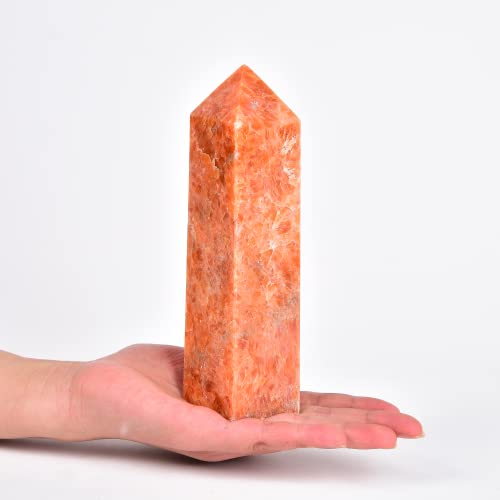
Sunstone is, fittingly, where we begin. This glittering feldspar mineral — found primarily in Oregon (USA), Norway, and southern India — displays a phenomenon called aventurescence: a metallic, light-scattering brilliance caused by tiny platelets of copper or hematite suspended within the stone. This is precisely what made it so electrifying to ancient Egyptian eyes; it looked like captured sunlight made solid. Mineralogical records at Mindat.org confirm that sunstone belongs to the plagioclase feldspar group and has been revered since antiquity across Scandinavia as well, where Norse legends held it as both a navigational talisman and a stone of the sun god Baldur.
Energetically, sunstone is a joy activator of the first order. It works powerfully on the solar plexus and sacral chakras, dissolving feelings of worthlessness, stagnation, and powerlessness that so often define depression’s grip on daily life. It encourages optimism, enthusiasm, and the courage to re-engage with living — making it one of the most valuable healing crystals for depression across all emotional presentations. Hold it in morning sunlight, close your eyes, and breathe deeply: let the warmth it has absorbed remind your body what aliveness actually feels like. For a broader exploration of solar energy stones, see our guide to crystals of the sun.
Lepidolite — The Stone of Transition
Lepidolite is a lavender-to-deep-purple mica mineral found in rich deposits in Brazil, Zimbabwe, and the Ural Mountains of Russia. What makes it remarkable — and uniquely valuable among stones for sadness — is its natural lithium content. Lithium is the same element used in pharmaceutical mood stabilizers, and while the trace amounts in lepidolite crystals are not bioavailable in any pharmacological sense, many crystal healers report that this mineral signature gives the stone a profoundly calming, steadying resonance that feels almost neurological in its gentleness.
Lepidolite works beautifully on the heart and third-eye chakras, soothing anxious thought spirals, easing the racing mind that so often keeps depressed individuals awake at 3 a.m., and encouraging a quality of serene acceptance — the quiet inner knowing that this, too, shall pass. Place a piece of lepidolite on your nightstand or tuck it beneath your pillow to access its energy during the hours when depression feels most isolating and the inner critic most relentless.
Citrine — The Merchant of Light
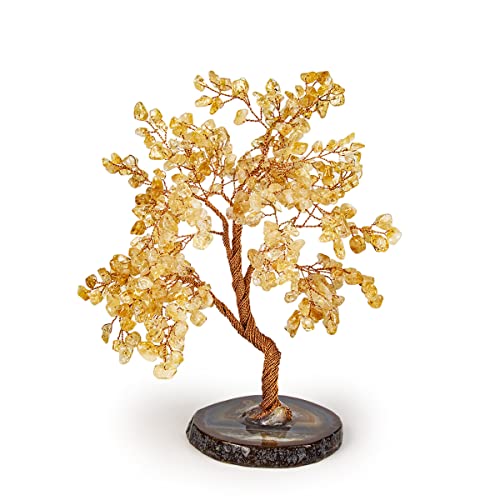
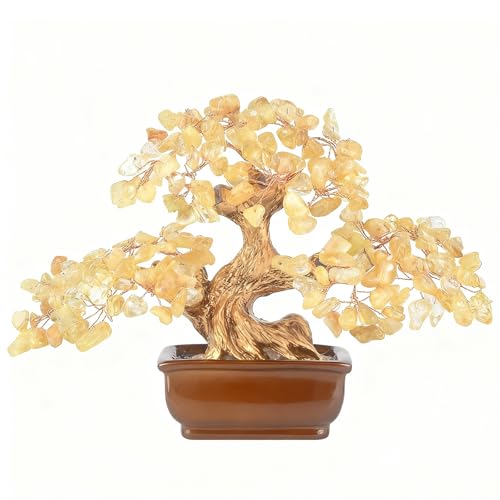
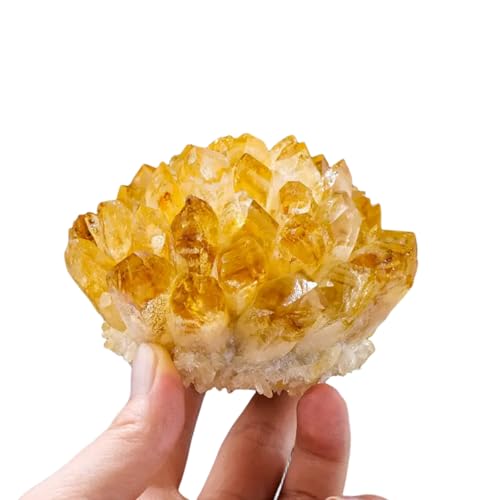
Natural citrine — found in its finest quality in Brazil, the Ural Mountains of Russia, and Madagascar — is a golden-to-amber variety of quartz whose radiant hue has made it a universal symbol of joy and abundance throughout history. Unlike many crystals, citrine does not absorb negative energy; it transforms and transmutes it, making it one of the most low-maintenance yet high-impact stones in any emotional healing toolkit. Medieval European healers called it the merchant’s stone for its supposed power to attract prosperity and positive outcomes — a direct counterpoint to the scarcity and hopelessness that depression so frequently instills in those it grips.
Citrine pours warmth into the solar plexus chakra, the seat of personal power and self-worth, reawakening the inner conviction that good things remain possible. Carrying a tumbled piece in your pocket gives you a tangible reminder of your own inner light — a physical anchor to reach for in moments when depression whispers that the darkness is permanent and the joy unrecoverable. Its energy is particularly effective in morning routines, when establishing an optimistic emotional tone at the day’s outset can shape the entire arc of how you feel.
Rose Quartz — The Master of Self-Compassion
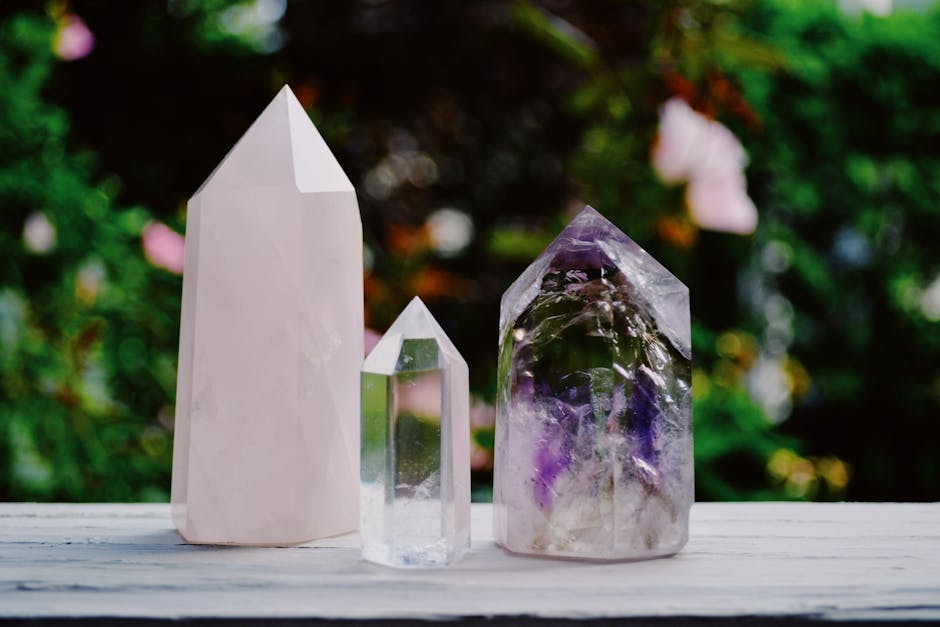
No discussion of emotional healing is complete without rose quartz, the pale pink heart chakra stone sourced in abundance from Brazil, Madagascar, and South Africa. Depression frequently travels with a harsh inner critic — a relentless internal voice that amplifies shame, guilt, and self-condemnation far beyond what any situation warrants. Rose quartz is its antidote. It vibrates at the frequency of unconditional love and tender compassion, softening the sharp edges of self-judgment and creating inner space for the radical, countercultural notion that you are worthy of care right now, exactly as you are.
Rose quartz is also one of the finest crystals for depression rooted in grief, loss, or heartbreak — the kind of sorrow that arrives when love is taken away and the world suddenly feels irreversibly diminished. Its energy does not bypass the pain; it holds you through it with a warmth that says this is survivable, and it will shift. Explore our dedicated guide to crystals for self-love for a deeper look at how rose quartz and its allies can help you rebuild the most important relationship in your life — the one with yourself.
Amethyst — The Violet Flame of Calm
Amethyst, the regal purple variety of quartz, is sourced from Uruguay, Zambia, and the Minas Gerais region of Brazil, where it grows in cathedral-sized geodes that have awed collectors and healers for centuries. In ancient Rome and Greece, amethyst was worn to prevent the emotional excess and suffering associated with intoxication; today, we recognize it as one of the premier healing crystals for depression that arrives hand-in-hand with anxiety — a combination describing a significant proportion of those who live with mood disorders.
Amethyst’s violet ray calms the nervous system, quiets obsessive thought loops, and opens the crown chakra to a higher, broader perspective — making it possible to step back from the tunnel vision of despair and perceive a larger, more hopeful picture of one’s life. Holding an amethyst cluster during meditation, or placing a geode in your workspace, gradually elevates the emotional baseline of the entire surrounding environment. It pairs beautifully with lepidolite for the long nights when anxious depression makes sleep feel like an impossible luxury.
Black Tourmaline — The Emotional Boundary Keeper
Black tourmaline (schorl) is one of the most abundant tourmaline minerals on Earth, found in significant deposits in Brazil, Pakistan, Namibia, and Sri Lanka. Its deep, opaque black color has made it a universal emblem of protection across cultures — from Native American shamanic traditions to European medieval alchemy. In the context of emotional healing, black tourmaline serves a vital and often overlooked function: it defends the energy field against the external heaviness that can significantly compound depression in sensitive or empathic individuals.
People who absorb the emotional weight of those around them frequently find that their own grief becomes entangled with borrowed sorrow in ways that are genuinely difficult to unravel. Black tourmaline creates a firm but loving energetic boundary, allowing you to remain present and compassionate with others without sacrificing your own stability. Place it near your front door, carry it on difficult social days, or hold it during therapy sessions to stay anchored in your own truth throughout emotionally demanding conversations.
Labradorite — Rekindling the Inner Light
Labradorite, named for the Labrador Peninsula of Canada where it was first formally documented by Western science, also occurs in breathtaking deposits in Finland, Madagascar, and Russia. Its defining characteristic is labradorescence — a striking optical phenomenon in which the stone flashes electric blues, golds, and greens as the viewing angle shifts. This iridescence feels almost alive, and it perfectly mirrors labradorite’s energetic gift: the capacity to reveal hidden dimensions of self and to find the light that has always existed within, even during the thickest darkness.
Labradorite is a powerful ally during the kind of depression that makes life feel flat, grey, and stripped of magic or meaning — a condition sometimes called anhedonia, the inability to feel pleasure or anticipation. It stimulates imagination, reconnects you to intuitive knowing, and reignites a sense of wonder and possibility that depression systematically extinguishes. Working with labradorite in meditation — tracing its shifting colors with your breath and your gaze — is a simple, accessible practice that can genuinely alter the texture of a difficult day.

A standout citrine piece from Energy Muse — hand-selected for its energetic quality and connection to healing. This is the kind of piece that anchors a collection and deepens your daily practice.
Shop at Energy Muse →Healing Crystals for Depression: At-a-Glance Comparison
Use the table below to quickly identify which healing crystals for depression best match your current emotional needs. The most effective approach is usually to combine two or three complementary stones, allowing their distinct energies to address depression from multiple angles simultaneously.
Healing Tools & Jewelry
Wearable crystal energy and healing tools — designed to keep your intentions close throughout the day.


| Crystal | Primary Chakra | Key Emotional Benefit | Geographic Origin | Best Used For |
|---|---|---|---|---|
| Sunstone | Solar Plexus, Sacral | Joy, vitality, optimism | Oregon (USA), Norway, India | Low mood, loss of motivation |
| Lepidolite | Heart, Third Eye | Calm, acceptance, peace | Brazil, Zimbabwe, Russia | Anxious depression, insomnia |
| Citrine | Solar Plexus | Self-worth, positive energy | Brazil, Madagascar, Russia | Hopelessness, low self-esteem |
| Rose Quartz | Heart | Self-love, compassion, forgiveness | Brazil, Madagascar, South Africa | Grief, heartbreak, self-criticism |
| Amethyst | Crown, Third Eye | Calm, higher perspective | Uruguay, Zambia, Brazil | Anxiety with depression, rumination |
| Black Tourmaline | Root | Protection, grounding, boundaries | Brazil, Pakistan, Namibia | Empathic overwhelm, heavy energy |
| Labradorite | Third Eye, Throat | Wonder, possibility, intuition | Canada, Finland, Madagascar | Emotional numbness, flat affect |
How to Use Crystals for Depression: Practical Methods That Work
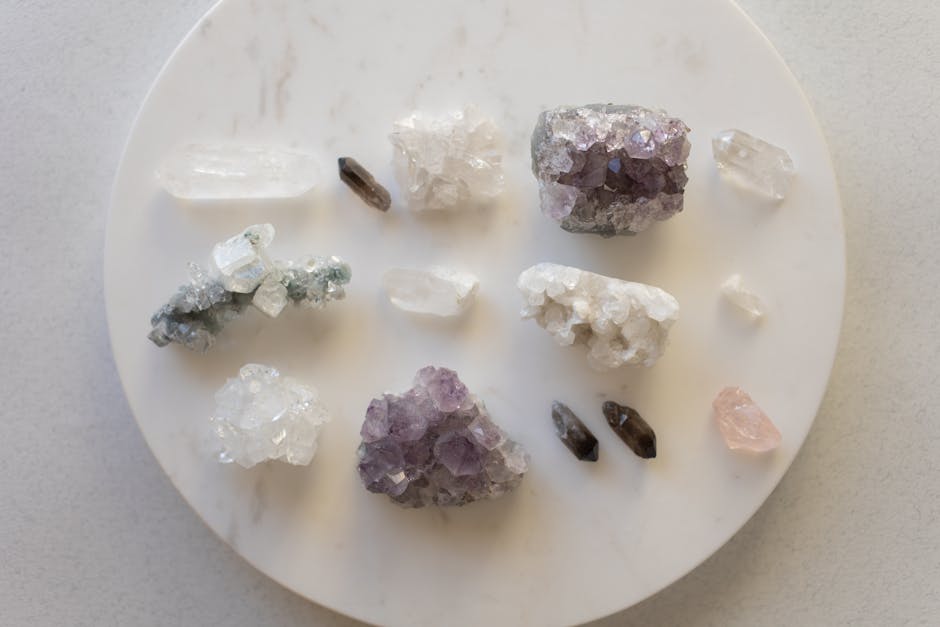
Knowing which crystals for depression resonate with you is only the beginning. Real transformation emerges from consistent, intentional practice. The following methods range from simple daily rituals to more structured healing work — begin wherever feels most accessible and build steadily from there.
More Mood-Lifting Crystal Picks
Additional crystals and stone sets for brightening your energy, restoring optimism, and supporting emotional wellbeing.


Morning Meditation with Healing Crystals
One of the most effective entry points for working with crystals for depression is a brief morning meditation before the demands of the day arrive. Sit quietly for five to ten minutes with your chosen stone held in both hands or resting on your heart center. Focus on your breath, allow the crystal’s weight and texture to anchor your awareness in the present moment, and silently set an intention — something as straightforward as I am open to feeling a little lighter today. This practice requires no prior experience and no particular belief system — only a willingness to show up for yourself. Over days and weeks, many people notice a measurable and cumulative shift in their morning emotional baseline. If you would like structured guidance in building a crystal healing practice from the ground up, our crystal healing courses offer step-by-step instruction led by experienced practitioners who understand the nuances of working with emotion and energy.
Crystal Grids for Emotional Support
A crystal grid is an intentional geometric arrangement of stones designed to amplify each crystal’s energy toward a unified healing purpose. For depression and emotional restoration, a simple grid might center on rose quartz (unconditional love), surround it with amethyst points (calm and clarity), and place lepidolite at the outer corners (peace and acceptance). Leave the grid in a space where you spend significant time — your bedroom, your workspace, your meditation corner — and allow it to function as a continuous environmental support field. The act of building the grid is therapeutic in itself: it is an act of agency and self-care, a tangible declaration that I choose to support myself, which stands as one of the most powerful counternarratives to depression’s central insistence that nothing matters and nothing helps.
Wearing Crystals as Daily Touchstones
Wearing crystals close to the body — as pendants, bracelets, rings, or loose tumbles in a jacket pocket — allows their energy to interact continuously with your biofield throughout the day. A lepidolite bracelet on the wrist, a citrine pendant over the solar plexus, a rose quartz tumble within easy reach: these are not merely decorative choices. They are wearable emotional support tools that can be activated in moments of acute distress. When overwhelm, despair, or sudden sadness arrives without warning, reaching deliberately for the stone — holding it, breathing, returning to the body and the present — transforms a passive accessory into an active and practiced moment of self-regulation.
Creating a Crystal Sanctuary in the Bedroom
Sleep and depression are intimately intertwined: poor sleep worsens depression, and depression disrupts sleep in a reinforcing cycle that can feel impossible to interrupt. Creating a crystal sanctuary in the bedroom addresses both dimensions simultaneously. Try placing amethyst on the nightstand for calm, restful dreams; lepidolite beneath the pillow for nervous system soothing; and black tourmaline near the bedroom door to prevent heavy or disruptive energies from entering your sleep space. Our comprehensive guide on crystals for the bedroom provides a full, room-by-room layout for transforming your sleeping environment into a genuine sanctuary of rest and emotional restoration.

A standout citrine piece from Energy Muse — hand-selected for its energetic quality and connection to new beginnings. This is the kind of piece that anchors a collection and deepens your daily practice.
Shop at Energy Muse →How to Choose Your Crystals for Depression: Trust the Pull
Selecting crystals for depression is ultimately less about following rules than about listening — to your body, your instincts, and the quiet gravitational pull you feel toward one stone over another. That pull carries real information. Here is a practical framework to guide your selection process with both clarity and confidence:
- Identify your dominant experience: Is your depression primarily characterized by low energy and motivation? (Sunstone, Citrine.) Anxiety and relentless overthinking? (Lepidolite, Amethyst.) Grief or heartbreak? (Rose Quartz.) Emotional numbness and flatness? (Labradorite.) Empathic overwhelm from absorbing others’ pain? (Black Tourmaline.) Matching stone to symptom creates a targeted and responsive approach.
- Let your eyes lead you: When you look at a selection of crystals, notice which one your gaze returns to repeatedly. This instinctive pull frequently aligns with what the body actually needs, even before the analytical mind has formed an opinion.
- Begin with one or two stones: Resist the urge to acquire the entire list at once. A deep, attentive relationship with a single crystal is more genuinely healing than a superficial relationship with twenty. Begin small and allow your collection to grow organically in response to your evolving emotional landscape.
- Cleanse before first use: New crystals benefit from energetic cleansing — moonlight bathing, sound cleansing with a singing bowl, or sacred smoke — to reset any accumulated energy from production and transit before you begin working with them intentionally.
- Reassess as you heal: As your emotional state shifts and stabilizes, so will your resonance with specific stones. A crystal that felt absolutely essential during acute depression may feel less compelling once equilibrium returns — and that is not a sign that the stone has stopped working, but a sign that you are.
Above all, remember that crystal healing works most powerfully as part of a holistic approach to emotional well-being — alongside professional mental health support, meaningful human connection, regular movement, nourishing food, and adequate sleep. Crystals are ancient and powerful allies on the healing path. They work with you, never instead of you, and their greatest gift may be the quality of attention and self-compassion they invite you to bring to your own inner life.
Gift Sets & Accessories
Perfect for gifting or completing your collection.
More from Energy Muse
Additional healing crystals and tools to deepen your practice — each piece hand-selected for quality and intention.


Frequently Asked Questions
Can crystals really help with depression?
Crystals are widely used as complementary tools for emotional support, and many people report meaningful, sustained benefits from incorporating them into a consistent practice of meditation, intention-setting, and mindful self-care. While clinical research on crystal healing remains limited, the therapeutic value of ritual, intentionality, and focused somatic attention are well-documented in psychological literature as genuine mood-influencing mechanisms. Crystals work best alongside — and never as a replacement for — professional mental health care, including therapy and, where appropriate, medication prescribed by a qualified physician.
What is the single best crystal for depression?
Sunstone is frequently cited as the most historically significant and energetically potent crystal for depression, owing to its direct solar resonance, its documented ancient use across Egyptian and Norse traditions specifically for mood elevation, and its powerful activation of the solar plexus chakra — the energetic seat of personal power, joy, and will to live. That said, the “best” crystal is ultimately the one you feel most genuinely drawn to in any given moment — lepidolite, citrine, and rose quartz are equally beloved by practitioners for their distinct and complementary approaches to emotional healing.
How long does it take for crystals to work on depression?
Crystal healing operates as a practice of cumulative resonance rather than instant effect, and most people begin noticing subtle shifts in mood, sleep quality, or emotional reactivity within two to four weeks of consistent daily use. Deeper transformation typically unfolds over months of regular practice, particularly when crystals are integrated with meditation, journaling, professional therapy, and other supportive lifestyle changes that address depression from multiple directions at once. Setting clear intentions before each session and maintaining a daily ritual significantly accelerates the timeline of noticeable change.
Can I use multiple crystals for depression at the same time?
Absolutely — many experienced practitioners find that combining complementary stones creates a richer, more layered healing experience than working with a single crystal in isolation, since different stones can address different facets of depression simultaneously. A powerful combination might include sunstone or citrine for solar energy and motivation, lepidolite or amethyst for calm and anxiety relief, and rose quartz for heart healing and self-compassion. Begin with two or three stones rather than overwhelming yourself with too many at once, and pay close attention to which combinations feel most resonant for your particular emotional experience.
Where can I buy genuine healing crystals for depression?
The most reliable sources for genuine, high-quality healing crystals are reputable independent crystal shops, ethical mineral dealers, and established metaphysical retailers who can speak knowledgeably to the provenance and sourcing of their stones — both in physical storefronts and online. When shopping online, look for sellers who provide clear, unfiltered photographs, disclose geographic origins, describe mineral specifications, and maintain transparent return policies, as these are hallmarks of reputable and conscientious sourcing. Attending local gem and mineral shows is an especially rewarding option, as it allows you to handle stones directly before purchasing and to connect with passionate, knowledgeable sellers who take pride in the quality and authenticity of what they offer.
We may earn a commission from links on this page at no extra cost to you. This helps us keep CrystalsAlchemy running.
This article was originally published on