Aventurine Crystal: The Lucky Stone for Prosperity
Aventurine is one of those crystals that earns its reputation. Whether you’re drawn to it for energy work, emotional healing, or spiritual growth, this guide covers everything you need — from its core healing properties to the best ways to cleanse, charge, and use it with real intention.
What Is Aventurine? The Lucky Stone Born ‘By Chance’

Long before modern casinos existed, ancient Chinese gamblers tucked a shimmering green stone into their pockets before placing high-stakes wagers — and won. That stone was aventurine, a variety of quartz whose very name encodes fortune: derived from the Italian a ventura, meaning “by chance,” aventurine has been synonymous with luck for millennia. Today, crystal healers and collectors prize it as one of the most luminous and metaphysically rich stones in the mineral kingdom, and understanding aventurine crystal meaning opens a doorway into centuries of human fascination with chance, growth, and abundance.
What makes aventurine so visually distinctive is a phenomenon called aventurescence — a metallic glitter caused by light reflecting off tiny platelets of fuchsite mica (or other minerals) suspended within the quartz matrix. This natural sparkle, described by the Mindat.org mineralogy database as a defining characteristic of the species, gives aventurine a living, luminous quality unlike any other stone. Whether you are drawn to its legendary luck-attracting reputation or its soothing green wavelengths, aventurine rewards both the skeptic and the seeker.
In this guide, we explore everything you need to know about aventurine meaning, its geological makeup, the many green aventurine benefits recognized by crystal healers worldwide, and practical ways to work with this remarkable stone in your daily life.
Aventurine Meaning: History, Lore, and Symbolism
The story of aventurine is one of glorious accidents. According to gemological legend, Venetian glassmakers in the 18th century accidentally dropped copper filings into molten glass, creating a dazzling sparkle they named vetro avventurina — “glass of chance.” When geologists later discovered that quartz could exhibit the same natural glitter, they named the mineral after the glass rather than the other way around. Aventurine is therefore one of the few gemstones to be named for an imitation rather than the original — a fitting irony for a stone so deeply associated with fortune’s fickle nature.
Across cultures and centuries, aventurine has carried profound symbolic weight. In ancient Tibet, the stone was used to sharpen near-sightedness and to adorn the eyes of sacred statues, believed to imbue them with visionary power. Archaeological evidence places aventurine in pre-Columbian Mesoamerica, Bronze Age Europe, and dynastic China, suggesting its appeal transcended geographic and cultural boundaries with remarkable consistency.
In Chinese metaphysical tradition, aventurine is strongly associated with the Wood element, governing growth, vitality, and new beginnings. Han Dynasty craftsmen placed green aventurine carvings in tombs to protect the deceased on their journey to the afterlife — a testament to the stone’s trusted role as both guardian and benefactor. Among Tibetan artisans, it was ground into pigment for sacred deity paintings, its green hue considered a direct expression of divine abundance.
Modern crystal healing communities recognize aventurine as “the Stone of Opportunity,” and it appears consistently on curated lists of the most powerful crystals for good luck and fortune. Its meaning encompasses not just passive luck but active manifestation — the courage to seize opportunities that present themselves and the emotional steadiness to follow through when they do.
Aventurine Essentials from Energy Muse
Hand-selected aventurine pieces chosen for quality, energy, and intention — from statement crystals to everyday healing tools.


Aventurine Properties: Geology and Physical Characteristics

Understanding the physical structure of aventurine deepens appreciation for both its optical magic and its energetic reputation. Unlike many crystals that grow in distinct geometric forms, aventurine forms as a massive metamorphic rock, which is part of what makes it so versatile as a carving medium and so accessible to collectors at every level.
Attract Luck with Crystal Manifestation Audiobooks
Discover audiobooks on using prosperity crystals, manifestation techniques, and heart chakra healing to attract good fortune and new opportunities — all on Audible.
Free trial includes 1 audiobook + access to the Plus catalog. Cancel anytime. As an Amazon Associate we earn from qualifying purchases.
Chemical Composition and Hardness
Aventurine is a form of microcrystalline quartz (SiO₂) classified as a quartzite — a metamorphic rock composed primarily of interlocking quartz grains with significant mineral inclusion content. What distinguishes it from ordinary quartz is its fuchsite component: microscopic platelets of chrome-bearing muscovite mica that scatter light into that signature golden-green shimmer. According to the Gemological Institute of America (GIA), the density and even distribution of these reflective inclusions are what define a specimen’s quality grade and visual appeal.
On the Mohs hardness scale, aventurine registers between 6.5 and 7, making it durable enough for everyday jewelry and handling. It displays a vitreous (glassy) luster when polished and almost always forms in massive habit, which is why it is commonly sold as tumbled stones, cabochons, spheres, and carved objects rather than raw crystal points or clusters.
Geographic Origins of Aventurine
The finest and most abundant aventurine deposits are found in India, particularly in the states of Karnataka and Rajasthan — so much so that green aventurine is commonly called “Indian jade” in the gemstone trade, though it bears no mineralogical relationship to true nephrite or jadeite. Other significant global sources include:
- Brazil — produces high-quality blue and green aventurine with vivid color saturation
- Russia (Siberia) — historically prized for deep “taganite” green aventurine favored by imperial craftsmen
- China — one of the earliest cultures to work the stone and still a major modern producer
- Tanzania — source of rare orange and reddish aventurine specimens
- Chile and Spain — emerging sources of green and yellowish material
- Austria and Norway — small deposits of blue and silver-flecked aventurine
The color variation between deposits directly reflects differences in mineral inclusions: fuchsite mica produces the iconic green, hematite or goethite creates red and orange varieties, and dumortierite gives blue aventurine its distinctive indigo hue. This geographic diversity has historically made aventurine accessible to cultures worldwide, contributing to its adoption across such varied traditions.
The Science of Aventurescence
The optical phenomenon that makes aventurine so mesmerizing has a precise scientific name: aventurescence (also called schiller). When light enters the stone and strikes the flat, reflective surfaces of mica or other metallic inclusions, it scatters in a way that produces a brilliant, starry shimmer suspended within the body of the stone itself. The Smithsonian National Museum of Natural History notes that this effect is distinct from adularescence (seen in moonstone) or labradorescence (seen in labradorite) — each mineral produces its own unique variety of optical magic through entirely different structural mechanisms.
The intensity of aventurescence varies significantly between specimens. The most prized pieces display a dense, evenly distributed glitter that animates as the stone moves through light. Lower-grade material may show only faint schiller concentrated in isolated zones. When selecting aventurine, testing its sparkle under multiple light sources — natural daylight, incandescent, and LED — gives the fullest picture of its aventurescence quality and helps distinguish gem-grade from commercial-grade material.

A standout aventurine piece from Energy Muse — hand-selected for its energetic quality and connection to balance & focus. This is the kind of piece that anchors a collection and deepens your daily practice.
Shop at Energy Muse →Green Aventurine Benefits: What Crystal Healers Recognize
Of all aventurine’s varieties, green aventurine carries the broadest and most celebrated metaphysical profile. Its combination of quartz amplification, heart-center resonance, and deep luck symbolism makes it one of the most versatile stones a practitioner can work with — equally at home in a beginner’s first crystal kit and an experienced healer’s advanced toolkit.
Best Aventurine Crystals for Luck & Prosperity
Genuine green aventurine pieces chosen for their glittering aventurescence, rich color, and abundance energy.


Prosperity, Luck, and Opportunity
No crystal has a more universally recognized association with luck and abundance than green aventurine. Crystal healers traditionally describe it as a “manifestation amplifier” — a stone that doesn’t simply attract good fortune passively, but actively aligns your energy field with opportunities you might otherwise overlook or unconsciously turn away. Whether placed in a prosperity corner, carried in a wallet, or held during visualization practices, aventurine is believed to heighten receptivity to abundance in all its forms: financial openings, career advancement, creative breakthroughs, and meaningful synchronicities.
In energy healing frameworks, aventurine is also said to dissolve blockages in the auric field that perpetuate scarcity thinking — patterns of unworthiness, chronic self-doubt, or reflexive self-sabotage that block the natural flow of good fortune. Working with aventurine over time is described as a process of gradually recalibrating the nervous system and subconscious mind toward an abundance orientation, one that recognizes and moves toward opportunity rather than away from it.
Heart Chakra Activation and Emotional Healing
Green aventurine resonates most powerfully with the Heart Chakra (Anahata), the energetic center located at the chest that governs love, compassion, forgiveness, and emotional intelligence. When the Heart Chakra is balanced, you experience genuine self-acceptance, the capacity to give and receive love freely, and the resilience to recover from emotional wounds without hardening. Aventurine’s green wavelength — corresponding to the color frequency of the Heart Chakra in traditional chakra systems — makes it a natural candidate for deep heart-opening work.
Crystal healers often pair aventurine with other heart-centered stones for relationship healing, or combine it with Venus crystals for love and beauty when setting intentions around romantic partnership and self-worth. Unlike the intense, emotionally activating energy of some heart stones, aventurine offers a gentler, more nurturing vibration — it soothes rather than stirs, making it particularly valuable during grief, burnout, or periods of emotional exhaustion when steadying support is needed more than activation.
One of the most underappreciated green aventurine benefits is its capacity for emotional regulation in everyday life. Practitioners describe it as a stone that “cools” overactive mental and emotional states — effective for anxiety, chronic overthinking, irritability, and the residual tension of high-pressure environments. Holding a smooth aventurine tumblestone during acute stress can serve as a tactile anchor, drawing awareness back into the body and interrupting the cycle of rumination before it spirals.
Healing Tools & Jewelry
Wearable crystal energy and healing tools — designed to keep your intentions close throughout the day.


Types of Aventurine: A Complete Color Guide
While green is by far the most common and celebrated variety, aventurine occurs across a surprisingly wide color spectrum, each shade reflecting a different mineral inclusion profile and carrying its own traditional metaphysical associations in crystal healing practice. The table below summarizes the key varieties:
| Color | Primary Inclusion | Main Sources | Traditional Association | Chakra |
|---|---|---|---|---|
| Green | Fuchsite mica | India, Brazil, Russia | Luck, prosperity, heart healing | Heart |
| Blue | Dumortierite | India, USA, Brazil | Calm, communication, intuition | Throat, Third Eye |
| Red / Orange | Hematite, goethite | Tanzania, India | Vitality, passion, creativity | Sacral, Root |
| Yellow | Muscovite, pyrite | Brazil, Spain | Confidence, willpower, solar abundance | Solar Plexus |
| White / Peach | Fuchsite (low density) | India, Brazil | Clarity, new beginnings, gentleness | Crown |
| Purplish-gray | Lepidolite | Brazil | Emotional balance, transitions | Third Eye |
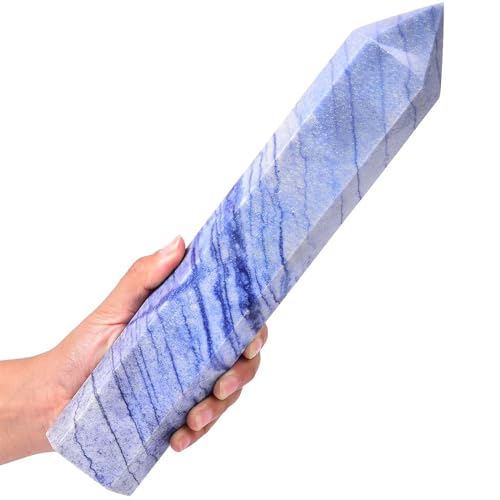
Blue aventurine has gained significant popularity among practitioners working with the Throat and Third Eye Chakras, making it a favorite for enhancing intuition, dream recall, and clear self-expression. Its smooth, meditative energy pairs well with stones used for communication and mental clarity work, and its calming blue tones make it particularly effective in home offices and creative studios.
Red and orange aventurine varieties carry some energetic overlap with carnelian — another iron-oxide-rich stone prized for creativity and motivation — though aventurine’s base of quartz gives it a more stabilizing, sustained quality rather than the sharp activating charge that makes carnelian so immediately stimulating. For practitioners building a diverse crystal collection, having both colors offers a useful energetic range from gentle encouragement to dynamic ignition.

A standout aventurine piece from Energy Muse — hand-selected for its energetic quality and connection to healing. This is the kind of piece that anchors a collection and deepens your daily practice.
Shop at Energy Muse →How to Use Aventurine: Practical Applications for Every Lifestyle
The versatility of aventurine is one of its greatest strengths as a working crystal. Whether you are a dedicated energy healer or someone simply looking for a beautiful, meaningful stone to carry, there are multiple natural entry points for incorporating aventurine properties into your life in ways that require no previous experience.
More Aventurine Picks
Aventurine bracelets, towers, tumbled stones, and heart shapes for luck, growth, and opportunity.


Meditation and Visualization
One of the most direct ways to engage aventurine’s energy is through intentional meditation. To work with its prosperity-attracting qualities, hold a green aventurine in your left hand — the receptive hand in many energy traditions — and allow yourself to settle into a relaxed, focused state. Visualize a warm green light expanding from the stone through your heart center and radiating outward into your entire energy field. State your intention as a present-tense reality rather than a request: “I am open to abundance. Opportunities flow to me naturally and easily.” Regular daily practice with this stone is said to gradually recondition the subconscious toward an abundance orientation over weeks and months of consistent use.
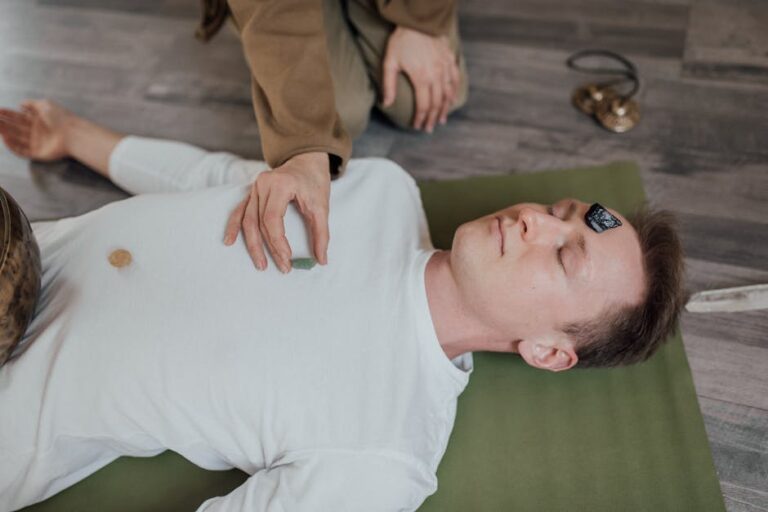
For emotional healing work, place aventurine directly on the chest during a lying-down meditation and allow its cool, smooth weight to anchor your awareness in the body. Some practitioners combine this with simple breathwork: inhaling a sense of calm green nourishment with each breath, and exhaling tension, old grief, or stagnant emotional residue. Even ten focused minutes of this practice can produce a noticeable shift in emotional tone that carries through the rest of the day.
Feng Shui Placement
In feng shui applications, green aventurine is most powerfully placed in the Xun (Wealth and Prosperity) corner of your home or office — the far-left area as viewed from the main entrance. A bowl of tumbled aventurine stones, a carved aventurine wealth frog, or a green aventurine gem tree placed in this position is believed to activate and amplify the flow of financial energy into your space. For a comprehensive overview of crystal placement principles across every area of the home, the detailed guide to the best feng shui crystals for each room offers a room-by-room breakdown.
Blue aventurine works particularly well near desks and creative workspaces, supporting mental clarity and effective communication throughout the workday. Red and orange aventurine can be positioned in the health and family area (center-left bagua zone) to support vitality and interpersonal warmth. Yellow aventurine near the center of a space activates the earth energy traditionally associated with grounding, self-confidence, and centered decision-making.
Wearing Aventurine as Jewelry
Wearing aventurine as jewelry keeps its energy in sustained contact with your own biofield, creating a continuous influence throughout the day that meditation sessions alone cannot replicate. Green aventurine heart-shaped pendants are especially popular for Heart Chakra work, while aventurine bracelets worn on the left wrist are traditionally favored for drawing luck and opportunity toward the wearer. For in-depth guidance on selecting stones that align with your personal intentions and aesthetic, the crystal jewelry selection guide covers everything from setting styles to energetic pairings.
Because aventurine registers 6.5–7 on the Mohs scale, it is resilient enough for rings and bracelets in appropriate settings. Opt for bezel settings rather than prong settings to give the stone maximum protection against chips and scratches during daily activity. Avoid ultrasonic cleaners and harsh chemical jewelry solutions, which can damage the stone’s surface finish or affect color saturation over time — a soft cloth and warm water are always sufficient for physical cleaning.
Choosing and Caring for Your Aventurine
With so much aventurine on the market — ranging from exceptional gem-quality material to dyed glass imitations — knowing how to evaluate and maintain your stone ensures you are working with the genuine article at its full potential. A little knowledge at the point of purchase pays dividends for years of meaningful use.
How to Choose Quality Aventurine
When selecting aventurine, the most important factor is the intensity and evenness of its aventurescence. Tilt the stone slowly under natural and incandescent light — the metallic glitter should be lively, densely distributed, and visible from multiple angles, not concentrated in a single band or visible only from one direction. High-quality green aventurine displays a rich, saturated color with bright, active schiller; lower-grade material tends toward a pale, flat appearance with minimal sparkle and a washed-out green tone.
Be aware that some vendors market green-dyed quartz, green glass, or unrelated green minerals as aventurine. Genuine aventurine has a slightly granular or sugary texture visible under magnification, reflecting its quartzite microstructure, and feels noticeably cool and heavier than glass imitations. When possible, purchase from reputable lapidary dealers, certified crystal shops, or established gem and mineral shows where you can examine material in person, assess its aventurescence under multiple light conditions, and ask directly about country of origin.
Consider the form factor that best matches your intended use: tumbled stones for pocket carry and meditation; spheres for omnidirectional room energy; wands or points for chakra work and directional energy flow; raw slabs for display and passive environmental influence. A well-chosen smaller piece used daily with intention will always outperform a large, impressive specimen that sits untouched on a shelf.
Cleansing and Charging Aventurine
Regular cleansing keeps aventurine’s energetic field clear and its properties operating at full potency. Because aventurine is relatively hard and non-porous, it tolerates several cleansing methods without risk of damage:
- Running water: Hold under cool running water for 30–60 seconds while visualizing accumulated energy washing away. Dry thoroughly afterward, especially in crevices of raw or carved pieces.
- Moonlight: Place on a windowsill or safely outdoors on the night of a full moon for a gentle, universally safe energetic reset. For deeper practices around moon-based crystal work, explore the comprehensive moon crystals guide.
- Sound: A Tibetan singing bowl, crystal bowl, or tuning fork creates resonant vibrations that clear the stone’s field without any physical contact — ideal for delicate carved pieces or inlaid jewelry.
- Smoke: Pass the stone slowly through sage, palo santo, or cedar smoke for a traditional energetic purification that works well for all crystal types.
To recharge aventurine after cleansing, place it in morning sunlight for no more than two to three hours — extended UV exposure can gradually fade the color of some specimens over time. Alternatively, rest it overnight on a selenite charging plate, which recharges crystals continuously without any attention required. Setting a clear, spoken intention as you handle the freshly cleansed stone dedicates its energy to your specific goals and restores the intentional relationship between you and the crystal, which is ultimately what makes working with any stone most effective.
Gift Sets & Accessories
Perfect for gifting or completing your collection.


More from Energy Muse
Additional healing crystals and tools to deepen your practice — each piece hand-selected for quality and intention.


Frequently Asked Questions
What is aventurine crystal good for?
Aventurine is most celebrated for attracting luck, opportunity, and prosperity — it is traditionally called “the Stone of Opportunity” for its ability to align the holder with favorable circumstances and open the energetic door to abundance in financial, creative, and relational forms. Beyond luck, it is a powerful Heart Chakra stone used for emotional healing, calming anxiety, releasing patterns of scarcity thinking, and cultivating optimism and resilience during periods of change and uncertainty.
What is the difference between aventurine and jade?
Despite sharing a similar green color, aventurine and jade are entirely different minerals: aventurine is a variety of quartz (SiO₂) characterized by its glittering aventurescence, while true jade refers to either nephrite (a calcium-magnesium silicate) or jadeite (a sodium-aluminum silicate) — both considerably rarer and more valuable. Green aventurine from India is sometimes sold as “Indian jade,” which is a misleading trade name; genuine jade has a much more translucent, waxy luster and completely lacks the metallic sparkle that defines and identifies authentic aventurine.
Can aventurine go in water?
Yes, aventurine is generally safe to briefly rinse in water for cleansing purposes, as it rates 6.5–7 on the Mohs hardness scale and is not highly porous or water-soluble. However, extended soaking is not recommended, as prolonged water exposure can gradually affect the surface polish and may loosen adhesive used in jewelry settings or damage metal components. For water-based cleansing, a quick rinse under cool running water followed by thorough drying is the safest and most effective approach.
How do I activate and program my aventurine crystal?
Begin by cleansing the stone thoroughly using one of the recommended methods, then hold it in both hands and take several slow, deep breaths to center yourself and establish conscious energetic contact. Speak your intention clearly and specifically — for example, “I dedicate this aventurine to attracting abundant career opportunities” — and visualize the stone glowing with warm green light as it absorbs and holds your intention. Repeating this activation process after each cleansing maintains the crystal’s alignment with your evolving goals and keeps the energetic relationship between you and the stone active and intentional.
Where can I buy authentic aventurine crystals?
Authentic aventurine can be found at reputable crystal and mineral shops, gem and rock shows, lapidary dealers, and specialized online retailers with transparent sourcing information, clear close-up photographs of actual inventory, and published return policies. When buying in person, always examine the stone under multiple light conditions to verify its characteristic aventurescence and check for the slightly granular texture that distinguishes genuine quartzite from glass imitations. Avoid purchasing from vendors who cannot identify a stone’s country of origin or who price “aventurine” at suspiciously low rates, as mass-market dyed glass imitations are common and look convincing in photographs.
We may earn a commission from links on this page at no extra cost to you. This helps us keep CrystalsAlchemy running.
This article was originally published on