August Birthstone: Peridot Meaning, Properties & Gift Guide
Your August birthstone carries more meaning than most people realize. Beyond its beauty, it holds specific healing properties tied to your birth energy. This guide covers the history, metaphysical properties, and best ways to work with your birthstone.
A Gemstone Born from Fire — and the Stars
Here’s something that stopped me in my tracks the first time I heard it: peridot, the august birthstone, isn’t formed in the Earth’s crust like most gemstones. It comes from deep inside the mantle — and volcanic eruptions literally carry it to the surface. Some peridot crystals have been found inside meteorites that are 4.5 billion years old. Let that sink in. You could be wearing a piece of the early solar system on your finger.

I’ve been working with crystals for over a decade, and peridot is genuinely one of my favorites to introduce to people who are just starting out. It’s warm, it’s approachable, and it has this unmistakable olive-green glow that practically radiates optimism. If you were born in August — or you’re shopping for someone who was — you’re in for a treat.
The peridot birthstone has been treasured for thousands of years. Ancient Egyptians called it the “gem of the sun” and mined it on the volcanic island of Zabargad (St. John’s Island) in the Red Sea. Hawaiian legends connect it to the tears of the volcano goddess Pele. This stone carries stories in every facet.
Peridot Meaning & Healing Properties
So what does peridot actually do? In my practice, I reach for it most often when someone is carrying old emotional baggage they can’t seem to put down — guilt, resentment, jealousy, the kind of stuff that quietly drains your energy without you even noticing.

Peridot is deeply connected to the heart chakra, and it works in a really specific way: it helps you release, not just suppress. There’s a difference. Suppressing means you push it down and it pops up somewhere else. Releasing means you actually let it go. I’ve seen peridot support that process more times than I can count.
Here are the core properties I associate with this stone:
- Emotional renewal: Clears jealousy, resentment, and old wounds. Perfect if you’re moving through a breakup or a difficult transition.
- Abundance mindset: Peridot has a long history as a stone of prosperity. It’s not about manifesting cash — it’s about shifting how you see opportunity. If you’re working on attracting money and abundance, peridot pairs beautifully with citrine.
- Stress relief: That warm olive-green energy has a genuinely calming effect. Clients often describe holding it as feeling like a slow exhale.
- Confidence and purpose: Peridot connects to the solar plexus too, and can help you step into your own power — especially useful if you’ve been second-guessing yourself. It pairs well with other solar plexus chakra crystals for that extra confidence boost.
- Relationship healing: It softens the ego and opens the heart, which makes communication in relationships genuinely easier. For deeper relational work, I love combining it with rose quartz and other love crystals.
While the science is still catching up with what crystal healers have long observed, The Beginner’s Guide to Crystals notes that working with crystals offers a healing way to clear blockages — and peridot is one of the most consistent performers in that regard.
Birthstone Picks from Energy Muse
Curated birthstone pieces chosen for their energetic quality and beauty — perfect for personal use or gifting.


Peridot vs. Other August Birthstones: How Do They Compare?
Fun fact: August actually has three birthstones. Peridot is the classic and most recognized, but spinel and sardonyx share the month. If you’re shopping for an August birthday gift and wondering which to choose, here’s a quick breakdown:
| Stone | Color | Energy Focus | Best For |
|---|---|---|---|
| Peridot | Olive to lime green | Heart, solar plexus | Emotional release, abundance |
| Spinel | Red, pink, blue, black | Root, sacral | Vitality, fresh starts |
| Sardonyx | Banded brown/white/red | Root, sacral | Strength, protection, willpower |
My honest take? Peridot is the one to reach for if the person you’re buying for is going through any kind of emotional transition, starting something new, or just needs a boost of warmth and optimism. Spinel is gorgeous if they love bold color and need energizing. Sardonyx is the underdog — grounding and protective, but often overlooked.
For birthstone comparisons across other signs, I’ve written a deep dive on Taurus birthstones that covers a similar breakdown if you want more context on how these comparisons work.

A standout peridot piece from Energy Muse — hand-selected for its energetic quality and connection to love & happiness. This is the kind of piece that anchors a collection and deepens your daily practice.
Shop at Energy Muse →How to Use Your Peridot (A Practical Guide)
This is the part most crystal guides skip — the how. Knowing what a crystal means is only half the story. Here’s how I actually use peridot, and how I recommend it to clients.
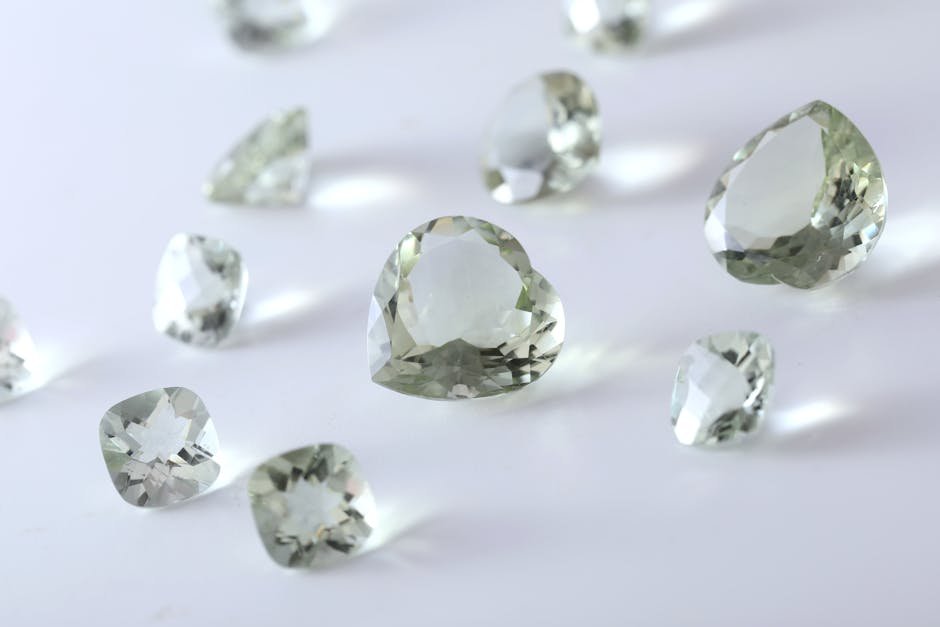
Peridot jewelry is genuinely stunning — that yellow-green catches light in a way that most stones don’t. Wearing it close to your skin keeps its energy in your field all day. I especially love peridot pendants that sit near the heart. If you want to make everyday crystal wearing a practice, check out my guide on the best crystals to wear daily.
Hold a tumbled peridot in your left hand (your receptive hand) during meditation. Visualize a warm golden-green light expanding from your heart center. Set an intention around something you want to release — a grudge, a fear, an old story about yourself. This is one of my go-to practices for clients working through resentment.
Place peridot on your desk or workspace to keep your energy clear and your focus sharp. In feng shui terms, the southeast corner of your space governs abundance — a piece of peridot there works beautifully. For more on crystal placement, my crystal feng shui guide walks through it step by step.
Peridot pairs well with citrine (for abundance), rose quartz (for heart healing), and clear quartz (to amplify). If you’ve never built a grid before, it’s easier than it sounds — here’s my beginner’s guide to crystal grids to get you started.
Peridot loves moonlight and sound cleansing (singing bowls, bells). Avoid leaving it in direct sunlight for extended periods — the color can fade over time. Also skip salt water; peridot is moderately hard (6.5–7 on the Mohs scale) but salt can damage the surface. Running it under cool water briefly and setting it on selenite overnight works perfectly.
Healing Tools & Jewelry
Wearable crystal energy and healing tools — designed to keep your intentions close throughout the day.


Peridot Gift Guide: The August Birthday Shopping Made Easy
If you’re shopping for an August baby and feeling overwhelmed, let me simplify this for you. The right peridot gift depends on who you’re buying for and what they’re into.
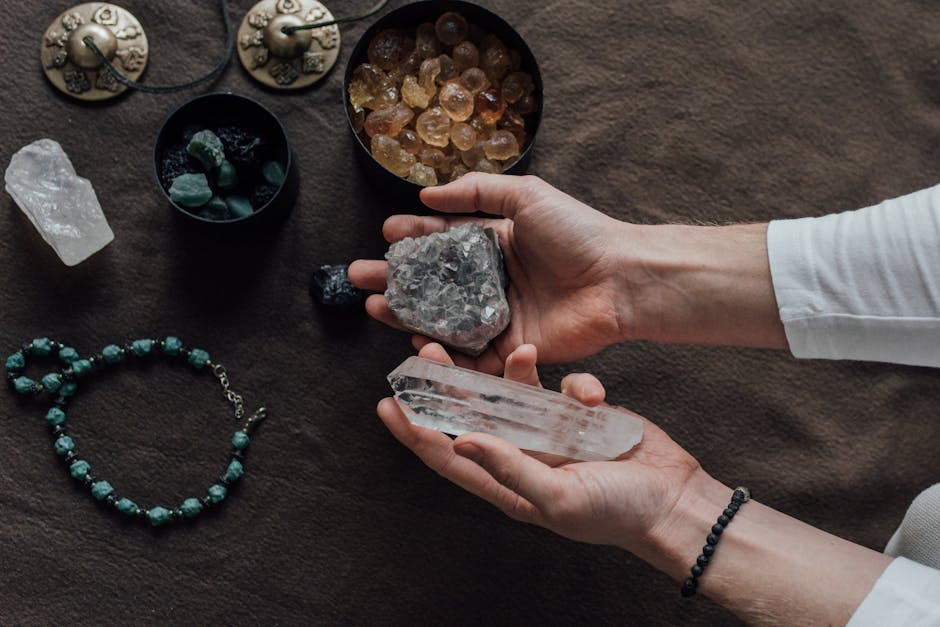
For someone new to crystals: Start simple. A tumbled peridot stone is affordable, tactile, and easy to connect with. When you hold it, you’ll notice a cool, smooth surface with that distinctive olive glow — it’s immediately lovable. No need to spend a lot for a meaningful gift.
For the jewelry lover: Peridot set in gold is classic and timeless. The warm yellow tones of gold complement peridot’s olive-green color far better than silver, in my opinion. Look for faceted stones — they really show off that signature sparkle.
For the home decorator: A raw peridot cluster or a peridot crystal tree makes a beautiful statement piece. The raw form carries a lot of natural energy and looks incredible on a shelf or windowsill. Speaking of crystal trees, I’ve written about the best crystal trees for healing and home decor if you want inspiration.
For the serious crystal healer: Consider a larger raw specimen or a faceted collector’s piece. Pairing peridot with a journal and a card explaining its properties makes it a genuinely thoughtful gift — not just pretty, but meaningful.
Price range guide:
- Tumbled stones: $5–$20
- Simple jewelry: $25–$80
- Raw specimens: $15–$60
- Fine jewelry (natural faceted peridot): $100–$500+
Quality matters more than size. A small, naturally vivid green peridot with no visible inclusions is worth more than a large cloudy stone. The best peridot comes from Pakistan’s Supat Valley, with Burma and Arizona also producing beautiful material.

A standout peridot piece from Energy Muse — hand-selected for its energetic quality and connection to love & happiness. This is the kind of piece that anchors a collection and deepens your daily practice.
Shop at Energy Muse →More from Energy Muse
Additional healing crystals and tools to deepen your practice — each piece hand-selected for quality and intention.


Frequently Asked Questions
What is the August birthstone?
The primary August birthstone is peridot, recognized for its distinctive olive-to-lime green color and its remarkable origin story — it’s one of only two gemstones formed deep in the Earth’s mantle rather than the crust, and it’s been a treasured gem since ancient Egyptian times.
August actually has two additional birthstones: spinel and sardonyx, though peridot remains the most widely recognized and beloved of the three.
What does the peridot birthstone mean spiritually?
In crystal healing, peridot is known as a stone of emotional renewal and release — it works with the heart chakra to help you let go of resentment, jealousy, and old patterns that no longer serve you. It also carries an energy of abundance and optimism, making it a powerful companion during times of transition or new beginnings.
Many practitioners, myself included, associate it with the Hawaiian goddess Pele, and that volcanic fire metaphor feels right — peridot burns away what’s stagnant and makes space for something new.
How do I cleanse and care for my peridot crystal?
Peridot responds beautifully to moonlight cleansing — just set it outside or on a windowsill during a full moon overnight. Sound cleansing with a singing bowl works wonderfully too, and you can place it on a selenite charging plate between uses.
What to avoid: extended direct sunlight (can fade the color over time), salt water (can damage the surface), and harsh chemicals. A quick rinse under cool running water is fine, just pat it dry immediately.
Can peridot be worn every day?
Yes, with a little care. Peridot rates 6.5–7 on the Mohs hardness scale, which means it’s reasonably durable for everyday wear but not as hard as sapphire or diamond. I’d recommend avoiding it during activities where it might take knocks — gardening, gym workouts, that sort of thing.
For daily wear, a bezel or protective setting protects the stone better than a prong setting, and storing it in a soft pouch away from harder gems will keep it looking beautiful for years.
Where can I buy genuine peridot crystals or jewelry?
Your best bets are reputable crystal shops (in-person is great because you can actually feel the stone’s energy and check the color quality), gemological societies, and established online crystal retailers with clear sourcing information. Look for sellers who can tell you where the stone was mined — Pakistani and Burmese peridot tend to be especially fine quality.
Whatever you do, avoid suspiciously cheap “peridot” with unnaturally perfect color and zero inclusions — genuine peridot almost always has minor natural characteristics, and prices far below market average are a red flag for synthetic or glass substitutes.
Sources & References
- The Beginner’s Guide to Crystals: The Everyday Magic of Crystal Healing
- A Writer’s Guide to Crystals & Gemstones
- Gemological Institute of America — Peridot
- American Gem Society — August Birthstone
- Smithsonian National Museum of Natural History — Gem Gallery
- Study: 101Power Crystals: The UltimateGuideto MagicalCrystals, Gems
We may earn a commission from links on this page at no extra cost to you. This helps us keep CrystalsAlchemy running.
This article was originally published on