How to Tell If Citrine Is Real or Fake (Complete Guide)
Real and Fake Citrine How To Tell — two powerhouse crystals, but which one do you actually need? This guide breaks down exactly how they differ in energy, healing properties, and practical use — so you can choose the right one for your intention instead of guessing.
The Shocking Truth About Most Citrine
Here’s something I wish someone had told me when I first started collecting crystals: most of the bright orange “citrine” you see in crystal shops and all over the internet? It’s not citrine at all. It’s amethyst — purple amethyst — that’s been heated in a kiln at around 470°C until it permanently turns orange.
I know. It’s a lot to take in. And the numbers are genuinely startling — some estimates suggest that up to 95% of citrine sold commercially is actually this heat-treated amethyst. The trade calls it “baked amethyst” behind the scenes, but it gets labeled and sold as citrine with no disclaimer anywhere in sight.
This guide is everything I wish I’d had when I was first learning to tell real vs fake citrine apart. Whether you’re buying for the first time or side-eyeing a stone you already own, I’m walking you through every test I actually use in my practice — no geology degree required.
What Real Natural Citrine Actually Looks Like
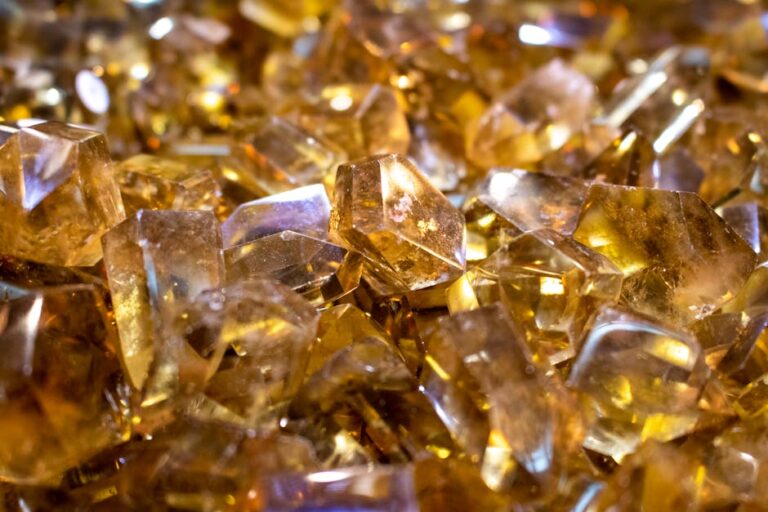
The single most important thing to know about how to tell if citrine is real: it is not that deep, saturated orange color. I can’t stress this enough. Natural citrine ranges from very pale, almost colorless yellow — think light champagne or a squeeze of fresh lemon — to a warm, soft golden honey. That’s it. No deep orange. No reddish tones. No burnt sienna.
Real citrine gets its color from trace amounts of iron that were naturally present during the crystal’s formation, usually over millions of years in hydrothermal veins. The color tends to be subtle and distributed fairly evenly throughout the stone. Sometimes you’ll see gentle color zoning — soft bands of slightly different yellow — which is a beautiful sign of authentic geological formation.
Heat-treated amethyst is easy to spot once you know the tell: the color is almost entirely concentrated at the tips of the points, then drops off abruptly to a stark white or clear base. That hard color line between vivid orange and clear quartz? That’s a factory signature, not something nature creates. Understanding how crystal colors work can sharpen your eye across all your stones, not just citrine.
Natural citrine is also genuinely rare. The majority of authentic material comes from Brazil, the Democratic Republic of Congo, and Zambia. Because real natural citrine is uncommon, it carries a meaningfully higher price than heat-treated amethyst — and that matters a lot when we get to the tests below.
Featured Crystals from Energy Muse
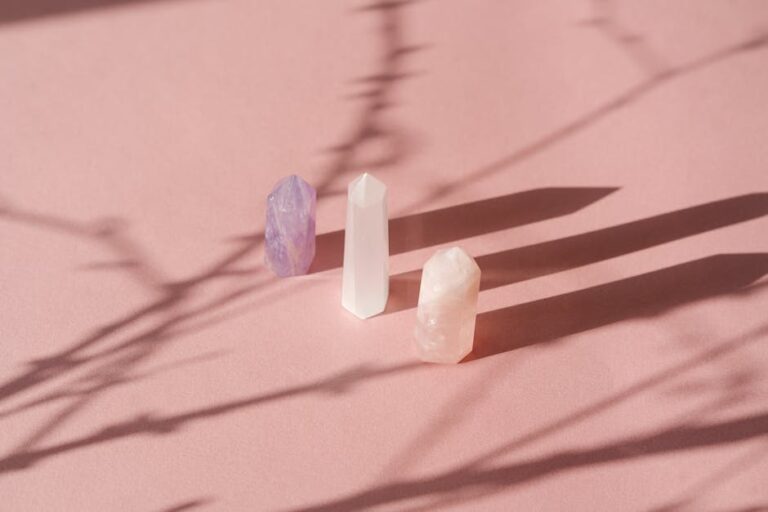
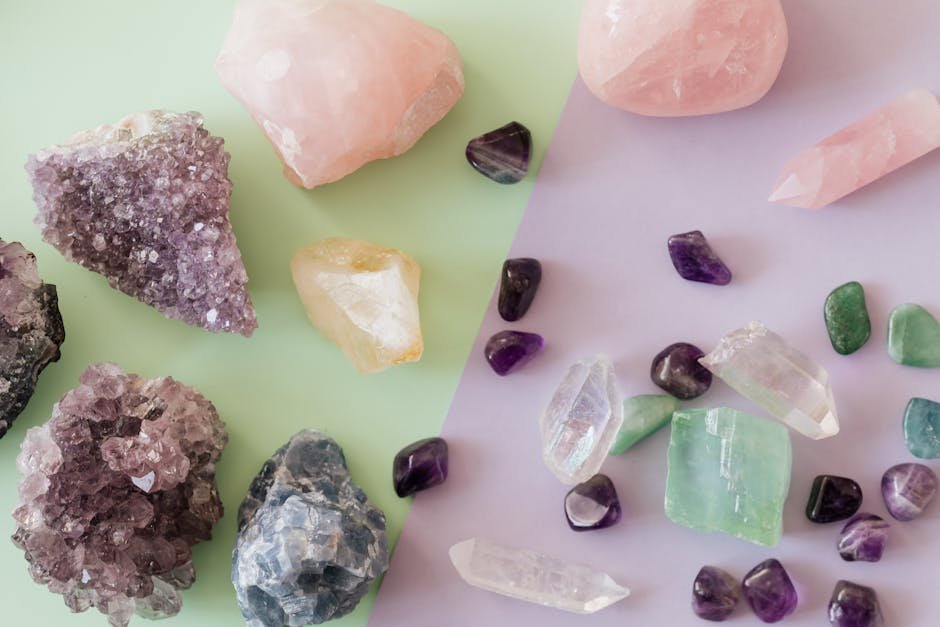
Both crystals side by side — hand-selected pieces so you can experience the difference for yourself.


6 Ways to Tell If Your Citrine Is Real or Fake
Let’s get practical. Here are the tests I actually use — in order of ease — so you can check any stone you own or are about to buy.
Hold your citrine up to natural light. Real citrine should look pale yellow, champagne, or a soft golden tone. If your stone is a deep orange-brown, reddish-orange, or looks like a sunset — that’s heat-treated amethyst. This one test alone catches the vast majority of fakes, and it costs exactly nothing.
Look at your crystal point if it has one. Where does the color live? In heat-treated amethyst, the orange is concentrated almost entirely at the tip and upper portion, then abruptly stops at a white or clear base. In real citrine, the color — however pale — distributes more evenly. That harsh dividing line is a kiln artifact, not nature’s work.
Real natural citrine often has tiny inclusions — small fractures, wispy veils, or a bit of natural cloudiness inside. It’s not perfectly flawless. Heat-treated amethyst tends to look cleaner and more uniform because it started as large, clear amethyst clusters. A stone that looks too perfect and machine-polished deserves a second look.
Natural citrine is rare. If you’re looking at a large, deeply colored citrine point for eight dollars, I’m sorry — that’s not real. Genuine natural citrine runs significantly higher because the supply is genuinely limited. If the price seems too good to be true for something labeled “natural citrine,” it almost certainly is.
Reputable sellers who stock genuine natural citrine know where their stones came from. “Congo citrine” and “Zambian citrine” are terms specifically used for natural material. If a seller can’t name an origin, or they’re moving large quantities at low prices with no sourcing info, that’s your signal to keep looking.
If you have an inexpensive UV flashlight, here’s a useful bonus check. Under UV light, natural citrine typically shows weak or absent fluorescence. Heat-treated amethyst often fluoresces more strongly, sometimes showing greenish or creamy tones. It’s not definitive on its own, but combined with the color test, it adds solid confirmation.

A standout citrine piece from Energy Muse — hand-selected for its energetic quality and connection to love & happiness. This is the kind of piece that anchors a collection and deepens your daily practice.
Shop at Energy Muse →Real vs. Fake Citrine: Side-by-Side Comparison
I made this table because I used to get overwhelmed trying to remember everything at once when I was shopping. Screenshot it, save it, pull it up at your next crystal market.
| Feature | Real Natural Citrine | Heat-Treated Amethyst (“Fake” Citrine) |
|---|---|---|
| Color | Pale yellow, champagne, or soft golden honey | Deep orange, burnt orange, or reddish-brown |
| Color distribution | Even throughout the stone, subtle natural zoning | Concentrated at tips with stark white or clear base |
| Clarity | Often has inclusions, slight haziness, or veils | Tends to be very clear and visually uniform |
| Crystal form | Individual points, free-form pieces, small druzy | Often large cathedral-style clusters, consistent coloring |
| Price | Higher — reflects genuine rarity | Low — mass-produced from abundant amethyst |
| Origin labeling | Often “Congo,” “Zambian,” or “Bolivian” citrine | Usually just “citrine” — no specific source given |
| UV fluorescence | Weak or absent | May show stronger greenish or creamy glow |
The most reliable combination for spotting fake citrine? Color + tip-distribution + price. If all three feel off, it’s almost certainly heat-treated amethyst.
Healing Tools & Jewelry
Wearable crystal energy and healing tools — designed to keep your intentions close throughout the day.


Does It Actually Matter If Your Citrine Is Heat-Treated?
I get this question a lot, and I want to give you an honest answer rather than the one that sells more crystals.
From a mineralogical standpoint, heat-treated amethyst is still real quartz — it’s not plastic or dyed glass. Many practitioners work with it and report genuine results. In Crystals for Beginners, the author acknowledges that natural and heat-treated citrine carry distinctly different qualities — which aligns with what I’ve observed in my practice over the years.
That said — and this part matters — it’s not the same energy as natural citrine. Heat-treated amethyst carries the original amethyst energy (calming, spiritual, third-eye focused) that has been altered, not replaced. It doesn’t have the clean solar, abundance-focused vibration that natural citrine is prized for. While the science is still catching up, practitioners consistently report that natural citrine feels warmer, more activating, and more aligned with confidence and manifestation work.
If you’re working with citrine specifically for abundance, solar plexus activation, or creative energy — which is why most people are drawn to it — you really want the genuine article. If you’ve been working with “citrine” for money and manifestation without much traction, this could be exactly why. Check out these powerful ways to attract money with citrine — they’re most effective when you’re working with authentic natural stone.
Heat-treated amethyst isn’t worthless. It’s just not the citrine you were promised. And you deserve to know what you’re actually working with.

A standout citrine piece from Energy Muse — hand-selected for its energetic quality and connection to spirituality & faith. This is the kind of piece that anchors a collection and deepens your daily practice.
Shop at Energy Muse →Where to Find Real Citrine Worth Buying
So where do you actually source the real thing? Here’s my honest, field-tested advice.
Specialty crystal shops with knowledgeable staff. Look for shops where someone can tell you the stone’s origin without hesitation. If they say “Congo citrine” or “Zambian citrine” and can explain the difference between natural and treated material, that’s a very good sign. If they can’t answer basic sourcing questions, keep browsing.
Gem shows and mineral expos. These are genuinely some of the best places to find authentic material at fair prices. Vendors at these events are usually serious rockhounds and collectors who know their inventory deeply and love talking about it. Ask freely — the good ones will be thrilled.
Vetted online sellers. Look for sellers who specifically state “natural, untreated citrine,” provide photos of the actual stone (not stock images), and describe the origin. Pale yellow, champagne, or honey-colored is what your photos should show. Deep orange clusters labeled “natural citrine” at suspiciously low prices? Keep scrolling. For intentional practices like working with crystals for abundance, the quality of your stone genuinely shapes the experience.
Questions to ask any seller before you buy:
- Is this natural and untreated?
- What country does this citrine come from?
- How do you source your natural citrine versus heat-treated material?
A seller who gets vague or defensive about these is telling you something important. A good seller answers all three easily and often pulls out comparison photos unprompted.
And if you’re just beginning your crystal journey — start simple. A small genuine natural citrine tumbled stone from a reputable source will serve you far better than an impressive-looking fake cluster. You might also love exploring how crystals for motivation and energy can complement your citrine practice as you build your collection intentionally.
More from Energy Muse
Additional healing crystals and tools to deepen your practice — each piece hand-selected for quality and intention.


Frequently Asked Questions
What does real citrine look like compared to fake?
Real natural citrine is pale yellow, champagne, or a soft golden honey color — never deep orange or reddish-brown. The color is distributed evenly throughout the stone, sometimes with gentle natural banding. Fake citrine (heat-treated amethyst) is typically a vivid burnt orange with color concentrated at the tips and a stark white or clear base, which is the single most reliable visual giveaway.
Is heat-treated amethyst sold as citrine still effective for crystal healing?
It can be — heat-treated amethyst is still real quartz and many people work with it meaningfully. However, it retains much of its original amethyst energy rather than natural citrine’s solar, abundance-focused vibration. If you’re specifically working with citrine for confidence, manifestation, or solar plexus activation, natural citrine will be far more aligned with those intentions than its heat-treated counterpart.
Can I test citrine at home without special equipment?
Absolutely — the most effective tests are completely free. Check the color (pale yellow is real, deep orange is fake) and look at the color distribution (real citrine colors evenly; fake concentrates color at tips with a white base). These two visual checks combined will identify the vast majority of fake citrine before you ever spend a dollar. A UV flashlight adds a useful bonus layer if you want to go further.
Why is real natural citrine so rare and expensive?
Natural citrine forms when quartz grows in specific geological conditions with trace iron present — a relatively uncommon occurrence compared to the abundant conditions that produce amethyst or clear quartz. Major sources are limited to parts of Brazil, the Democratic Republic of Congo, and Zambia. Because genuine supply is scarce and demand is high, heat-treating amethyst became the industry’s large-scale workaround, which is why the market is now flooded with fake citrine at low prices.
Where is the best place to buy real citrine?
Your best options are specialty crystal shops where staff can tell you the origin of their stones, gem shows and mineral expos where vendors are deeply knowledgeable, and carefully vetted online sellers who explicitly state “natural, untreated citrine” with real photos and sourcing details. Always ask about origin — phrases like “Congo citrine” or “Zambian citrine” are positive indicators. Avoid large, deep-orange clusters sold at very low prices with no origin information.
Sources & References
- Crystals for Beginners: The Guide to Get Started with the Healing Power of Crystals
- Crystals for Everyday Living: 101 Crystals to Enhance Your Life
- CrystalsAlchemy — 10 Powerful Ways to Attract Money with Citrine
- CrystalsAlchemy — Best Crystals for Abundance
- CrystalsAlchemy — Crystal Color Meanings Guide
- Study: Crystal Power: 12 EssentialCrystalsfor Health &Healing
We may earn a commission from links on this page at no extra cost to you. This helps us keep CrystalsAlchemy running.
This article was originally published on