Lepidolite Meaning: Healing Properties & Calm Stone (2026)
Lepidolite is the lavender-pink mica that practitioners reach for when life gets loud. Crystal traditions call it the Stone of Transition, the Calm Stone, and nature’s quiet companion for sensitive nervous systems. The lithium content gives it a real mineralogical hook, but the way it actually shows up on a nightstand or in a pocket is gentler than the chemistry suggests. This guide walks through the lepidolite meaning, healing properties tradition holds, the honest answer on the lithium question, and how to use this stone for anxiety, sleep, and the messy in-between phases of a real life. With the mineralogy kept honest, the practitioner tradition kept whole, and a clear line drawn where one ends and the other begins.
In This Guide
- What Is Lepidolite? Mineralogy & Color at a Glance
- Lepidolite Meaning & Spiritual Properties
- Lepidolite Healing Properties: What Tradition Holds
- Lepidolite for Anxiety, Calm & Overstimulation
- Lepidolite for Sleep & Restful Nights
- Lepidolite for Transition & Big Life Changes
- Does Lepidolite Really Contain Lithium? The Honest Answer
- Lepidolite & The Chakras
- Lepidolite Zodiac: Libra & Pisces
- Lepidolite vs Amethyst: Which Calm Stone Is Right for You?
- How to Use Lepidolite in Daily Practice
- Lepidolite Forms, Varieties & How to Spot a Fake
- Cleansing & Caring for Lepidolite
- Crystal Pairings That Work With Lepidolite
- Frequently Asked Questions
What Is Lepidolite? Mineralogy & Color at a Glance
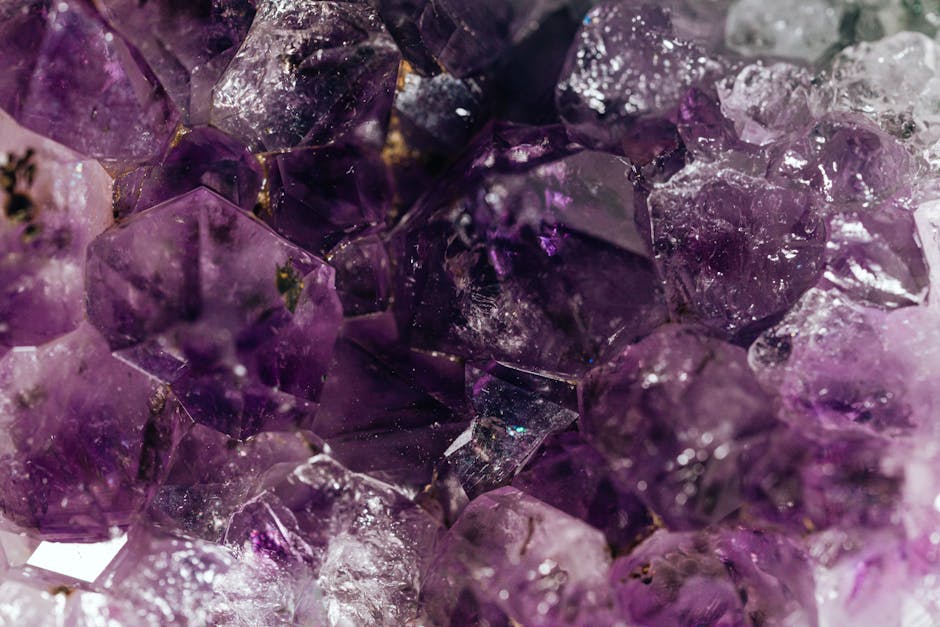
Lepidolite is a lithium-bearing mica in the silicate family, recognized by its lavender to pink color, soft flaky structure, and high lithium content. It forms in granite pegmatites alongside pink tourmaline, smoky quartz, and beryl, and it is one of the most lithium-rich minerals known to nature. The chemical formula is K(Li,Al)3(Si,Al)4O10(F,OH)2, and the crystal sits at the polylithionite-trilithionite end of the mica solid-solution series.
A few practical numbers worth keeping in your back pocket. Mohs hardness is 2.5 to 3.5, which is softer than your fingernail’s effective working hardness. The color comes from manganese substitution and lithium content, with the violet to pink spectrum tracking how much manganese is in the octahedral lattice site. Lepidolite forms in late-stage magmatic pegmatites and is found primarily in Brazil, the Pala District of California, Madagascar, the Czech Republic, Russia, Zimbabwe, and Australia.
Pronunciation: leh-PID-oh-light. The name comes from the Greek lepidos, meaning scale, a nod to the flaky, sheet-like aggregate form often called lepidolite “books.”
Lepidolite Meaning & Spiritual Properties

In the calm-stone tradition, lepidolite is the Stone of Transition. Practitioners reach for it during the in-between periods of life: the move out, the breakup, the new chapter that has not quite started yet, the grief that has not yet found its shape. It is the stone you pick up when you do not know what comes next and you need a soft place to keep landing.
The meaning is layered. On one side, lepidolite carries a long association with emotional balance, gentle release, and the kind of nervous-system buffer that sensitive people instinctively look for. On the other side, it carries a quieter spiritual reputation as a stone of acceptance, inner peace, and trust in the unfolding process. Crystal Bible author Judy Hall describes lepidolite as “the stone of transition” that “induces change in a gentle way.” The phrasing has stuck across modern crystal literature for a reason: lepidolite does not feel like a stone that demands transformation. It feels like a stone that lets you survive it.
Color carries its own layer of meaning within the lepidolite family. Deep violet specimens lean toward the crown chakra and the meditative or transitional uses. Pale pink lepidolite sits closer to the heart chakra and is associated with self-compassion, softness, and emotional release. Grey lepidolite with pink flash, often a collector grade specimen with mica book texture, tends to be associated with grounded, daily-life applications.
Lepidolite is also one of the only common crystals on the market that practitioners consistently describe in the same vocabulary: gentle, soft, calming, like a deep breath. That kind of cross-source consistency is rare in crystal lore. The tradition is real, even if you keep the mineralogy honest about why.
Featured Pick from Energy Muse

A polished A-grade lepidolite touchstone in the practitioner-tradition form for the Stone of Transition lineage. The touchstone shape is designed for thumb contact during seated meditation, journaling, or the kind of nervous-system reset moment the calm-stone tradition is built around. Higher-grade specimens show the full lavender-to-violet range and the fine mica book texture that distinguishes real lepidolite from dyed alternatives. The single piece a serious lepidolite practitioner reaches for first.
Shop at Energy Muse →Lepidolite Healing Properties: What Tradition Holds
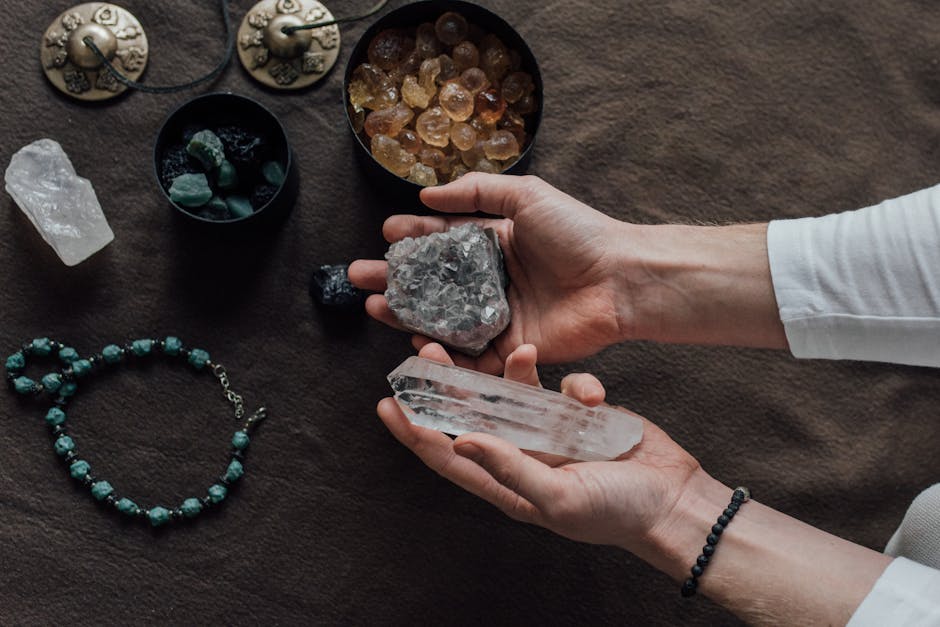
This is the section where the line gets drawn carefully. Crystals are complementary tools. They are not a substitute for professional mental health care. If you are managing anxiety, depression, or any mood condition, please work with a qualified provider. With that clearly on the page, here is what the practitioner tradition actually holds about lepidolite.
In modern crystal traditions, lepidolite is associated with emotional balance, gentleness, and the kind of nervous system support that practitioners describe as “the stone that helps you breathe again.” The Stone of Transition lineage frames it as a companion through change rather than a remedy for any particular symptom. Sensitive people, empaths, and anyone who describes themselves as overstimulated by news cycles, crowds, or other people’s emotions often gravitate toward lepidolite as a buffer or anchor.
Practitioners report that lepidolite supports clarity during difficult decisions, helps soften racing thought patterns at night, and offers a steadying presence during major life transitions. Tradition holds that holding or carrying lepidolite during journaling, meditation, or quiet reflection deepens the work. None of this is clinical language and none of it is meant as medical advice. It is the practitioner-tradition framing, kept whole.
The mineral does carry one element of genuine mineralogical interest that gets cited constantly in healing-properties lists: lithium content. The honest answer on what that lithium is and isn’t gets its own section below. For now, what matters is that the calm-stone reputation existed in folk tradition before the lithium connection was popularized in the late twentieth century, and the tradition stands on its own as practitioner-tradition rather than chemistry.
Featured Pick from Energy Muse

For the meditative side of the calm-stone tradition, an AA-grade dark amethyst point is the upgrade from a tumbled stone. Lepidolite settles the body, amethyst sharpens the mind, and a dark amethyst point on the desk or altar deepens the practice both stones support together. AA-grade depth of color is the difference between a decorative crystal and one that holds up on a serious working altar.
Shop at Energy Muse →Lepidolite for Anxiety, Calm & Overstimulation

This is the use case lepidolite gets reached for most often, and it is also the one that needs the most careful framing. In the calm-stone tradition, lepidolite is associated with anxiety, overstimulation, and the kind of chronic low-grade nervous activation that sensitive people often describe as “I feel everything.” Practitioners reach for it during high-intensity work weeks, during the news cycles that wear people down, and during the kind of grief that does not let the body settle.
The framing matters. Lepidolite does not treat anxiety. It does not stop a panic attack. It is not a substitute for a therapist, a clinician, a medication regimen, or any of the actual tools that treat anxiety disorders. What it offers, in the practitioner tradition, is a tactile anchor: a physical object you can hold while you breathe, journal, walk, or sit. Many find the act of holding a lepidolite during a meditation session steadier than meditating empty-handed. That is the use.
In daily practice, the small versions work best. A tumbled lepidolite stone in a pocket, a smooth palm-sized slab on a desk, a strand of lepidolite beads worn at the wrist. The ritual matters as much as the stone. Reach for it when you notice the racing thought pattern starting. Rub the surface with your thumb, name what you are feeling, take three breaths, and put it back.
For overstimulated nervous systems, the tradition often pairs lepidolite with rose quartz for self-compassion, with black tourmaline for shielding, or with amethyst for the meditative deepening. The lepidolite-amethyst pairing comes up so often in anxiety-and-sleep contexts that it has its own section below.
I do not tell people lepidolite will fix their anxiety. I tell them what tradition holds, why the stone is interesting on its own terms, and let them decide whether to keep one within reach.
Featured Pick from Energy Muse

A polished rose quartz heart in the most traditional pairing for sensitive nervous systems in the modern crystal canon. Rose quartz softens, lepidolite holds the shape, and the heart cut is the daily-altar form for the self-compassion practice both stones support together. Worth keeping near the lepidolite during weeks where the news cycle and crowds wear the body down faster than usual.
Shop at Energy Muse →Lepidolite for Sleep & Restful Nights
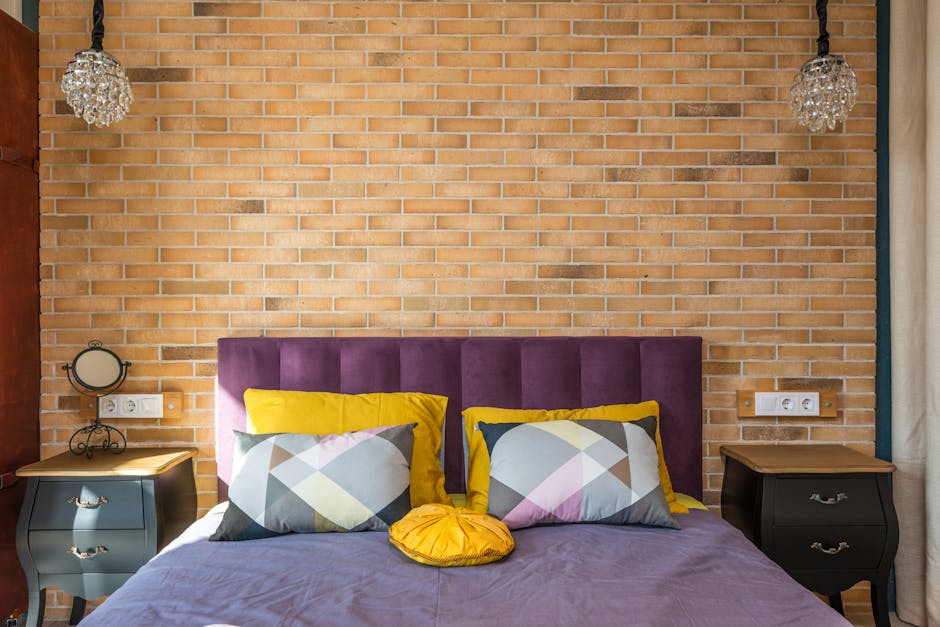
Sleep is the use case where lepidolite earns its quietest reputation. Crystal traditions have associated this stone with nighttime unease, racing thoughts at 3am, and the kind of unsettled sleep that comes from a busy nervous system rather than from a clinical sleep disorder. Practitioners often keep a lepidolite slab on the nightstand or a tumbled stone tucked into a pillowcase during stressful weeks.
The tradition is gentle, not clinical. Lepidolite is not a sleep aid. It will not address insomnia, sleep apnea, or any other condition that needs medical care. What it offers, in the calm-stone tradition, is a bedside object you reach for when sleep is not coming. Hold it for a minute or two. Let the cool surface register against the palm. Set it back down. The ritual works for the same reason any nighttime ritual works: it gives the body a small, repeatable signal that it is allowed to power down.
For people who struggle with the racing thought pattern at the end of the day, the small stone in the hand is more useful than the slab on the dresser. The contact matters. A lepidolite mala beads strand worked through the fingers ten minutes before bed is, for many practitioners, the most settled way to land.
The pale pink and lavender shades are the most common nightstand picks. Avoid placing lepidolite directly under a pillow if you sleep on cotton pillowcases that snag, since the soft mica can scratch and shed at Mohs 2.5 to 3.5. A small dish on the nightstand or a velvet pouch on the bedside table holds up better.
Featured Sleep Pick from Buddha Stones

A genuine lepidolite Inner Peace bracelet in the wearable sleep form, lithium-bearing mica at the wrist for the hours of the night you need it most. Bracelet wear is the most practical sleep-side application of lepidolite, more practical than mala beads worked in bed, and the price tier puts a real lepidolite piece within reach for anyone testing the calm-stone tradition for the first time.
Shop at Buddha Stones →Lepidolite for Transition & Big Life Changes
If lepidolite has a single defining identity in the calm-stone tradition, this is it. The Stone of Transition. Practitioners reach for lepidolite during moves, breakups, career pivots, the start of school, the end of school, the loss of a loved one, the recovery from one. Anywhere a life is between chapters and the next page has not yet been written, lepidolite shows up in the pocket of someone who knows it.
The framing comes directly from the modern crystal lineage. Judy Hall’s Crystal Bible describes lepidolite as the stone that “induces change in a gentle way,” and Melody’s Love Is in the Earth uses similar language. The phrase “stone of transition” has shown up on every reputable crystal source for thirty years, and the consistency is genuinely meaningful. The tradition is not invented marketing. It is real practitioner heritage.
In daily practice during a transition, the use is simple. Carry lepidolite in a pocket or bag while you do the actual work of moving through the change: signing the lease, having the conversation, packing the boxes, sitting with the grief. Reach for it when the overwhelm crests. Hold it. Breathe. Move forward. The stone does not change the situation. It just gives the hand something to come back to while the mind catches up.
I keep a small grey-pink lepidolite book on my desk. A friend gave it to me after a hard year. It has never been on a chakra grid. It sits where I can see it, and that is its job.
For practitioners working with bigger transitions, the lepidolite plus moonstone pairing shows up often. Moonstone for the cycle, lepidolite for the in-between. For grief specifically, the lepidolite plus rose quartz pairing is the more common one in tradition, with lepidolite holding the shape and rose quartz softening the edges.
Featured Daily-Wear Pick from Buddha Stones

A premium golden lepidolite protection bracelet in the everyday-wear form for the in-between months of life. The Stone of Transition tradition shows up best in pieces you wear daily rather than display occasionally. Worn at the wrist as a tactile anchor during moves, breakups, career pivots, and the messy chapters that need a soft place to keep landing. The premium daily-wear lepidolite the practitioner tradition reaches for during the months that demand more support than usual.
Shop at Buddha Stones →Does Lepidolite Really Contain Lithium? The Honest Answer
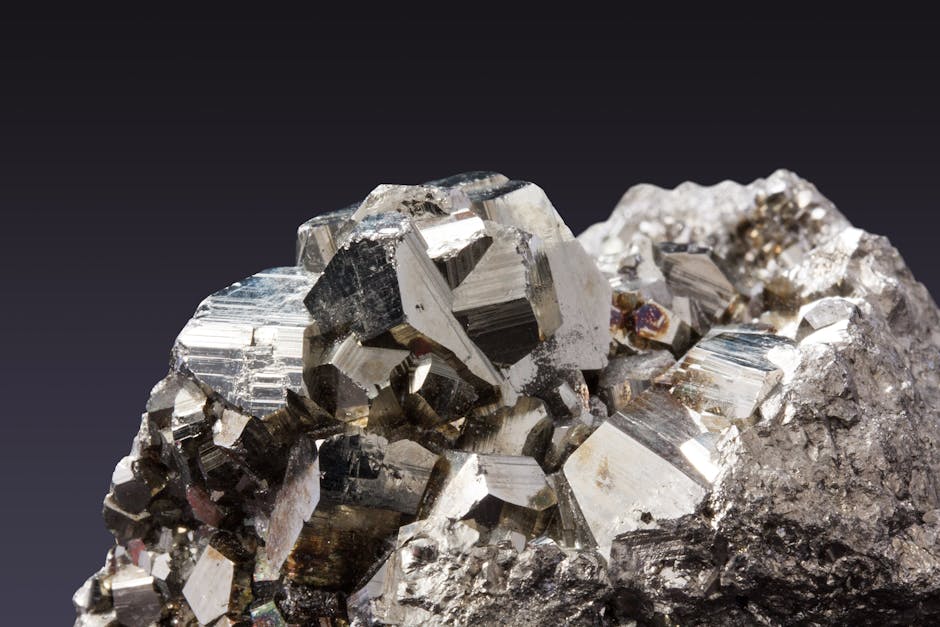
Yes, and this is where most online crystal articles either oversell or miss the point. Here is the honest mineralogist answer.
Lepidolite is one of the most lithium-rich minerals known to nature. Typical specimens contain between 3 and 7 percent lithium oxide by weight. The lithium sits inside the crystal lattice as a structural element, occupying octahedral sites where it bonds to oxygen and fluorine within the silicate sheet structure. That bonding is the key detail. The lithium is locked into the lattice. It is not free, it is not water-soluble at any meaningful rate, and it is not going to migrate from the stone into your skin, bloodstream, or nervous system.
In other words: handling, wearing, or sleeping next to a piece of lepidolite does not deliver measurable lithium to the body. The comparison to prescription lithium medication, which a lot of crystal blogs make casually, is symbolic rather than chemical. The practitioner tradition is real. The pharmacological comparison is not.
This honest framing matters for two reasons. First, it builds trust. A reader can tell when a crystal article is hand-waving past the science, and the hand-waving turns serious people away. Second, it protects readers who might otherwise replace actual medication or therapy with a stone. Lepidolite is a complementary tool. It is not a substitute for treatment.
There is, however, a fascinating economic-geology hook here that almost no crystal blog mentions. Lepidolite is now mined commercially for actual battery-grade lithium. The same mineral that practitioners pocket for emotional balance is being trucked out of Australian and Brazilian pegmatite quarries to be processed into lithium carbonate for electric vehicle batteries. The Greenbushes operation in Western Australia, the Bikita pegmatite in Zimbabwe, and several Lithium Triangle projects in South America all produce lepidolite-bearing ore. The crystal-shop tumbled stones and the EV-grade lithium feedstock come from the same rock. That is genuinely worth knowing.
So yes, lepidolite contains lithium. A meaningful amount. But it is locked in the lattice, not pharmacologically active, and the practitioner tradition stands on its own without needing the chemistry to do work it cannot do.
Lepidolite & The Chakras
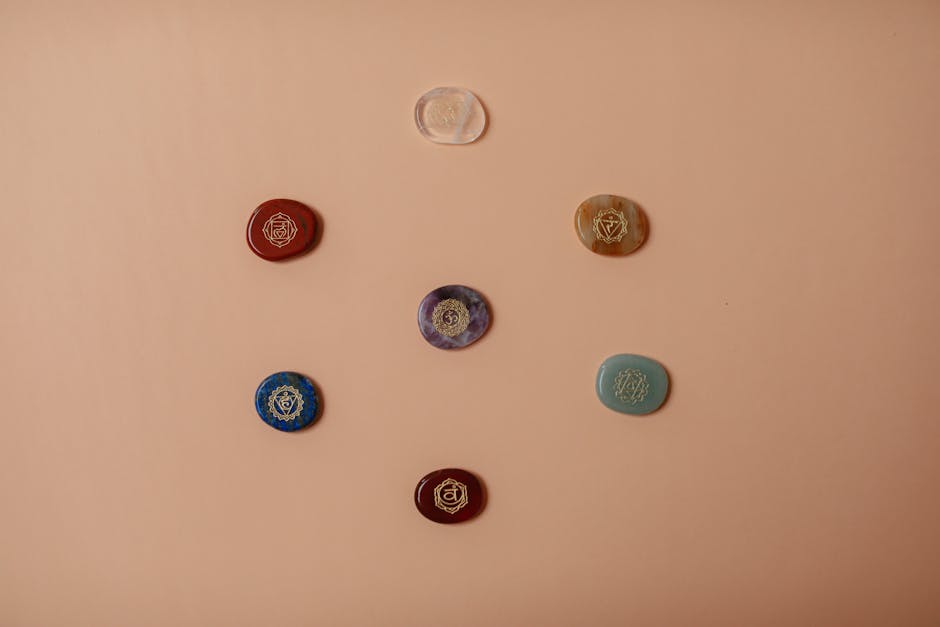
Lepidolite is most commonly associated with the heart, third eye, and crown chakras, with the crown chakra as the primary association in most modern crystal traditions. The lavender-to-pink color spectrum maps to the upper energetic pathway from heart to crown, which is the practitioner reasoning behind the placement.
Crown chakra work with lepidolite tends to focus on quiet meditation, surrender, acceptance of what is, and the kind of trust-the-unfolding practice that fits the Stone of Transition identity. Practitioners place a small lepidolite at the top of the head during meditation or rest a slab nearby during seated breath work.
Third eye associations focus on intuition, clarity during decision-making, and the soft mental quiet that supports inner listening. A lepidolite at the brow during a journaling or visualization session is the traditional use.
Heart chakra associations tie to the pink-end of the color spectrum specifically. Self-compassion, emotional release, and the kind of softness that does not collapse into avoidance.
A note on the everything-chakra fallacy. Some online crystal sources list lepidolite under all seven chakras, which is the same approach taken with most popular stones and dilutes the meaning of any single placement. The crown plus third eye plus heart association is the cleaner, more coherent practitioner reading.
Lepidolite Zodiac: Libra & Pisces

Lepidolite is most strongly associated with Libra and Pisces in the modern crystal-zodiac tradition.
For Libra, the connection runs through Libra’s traditional emphasis on balance, harmony, and the kind of relational equilibrium that the sign is famous for chasing. Libra natives often describe themselves as carrying a lot of other people’s emotional weight, and lepidolite’s calm-stone reputation maps directly to that. Many Libra practitioners keep a lepidolite at the desk, in a bag, or worn at the wrist during long social weeks.
For Pisces, the connection runs deeper into the empath, sensitive, dream-state side of the sign. Pisces natives often describe themselves as overstimulated by emotional environments and drawn to stones that buffer the input rather than amplify it. Lepidolite’s gentle, settling quality fits the Pisces tradition naturally, and many find it the steadiest companion during emotionally heavy seasons.
Secondary associations exist for Cancer and Virgo in some traditions, but the Libra-Pisces pairing is the one most consistently cited across modern crystal sources.
Lepidolite vs Amethyst: Which Calm Stone Is Right for You?
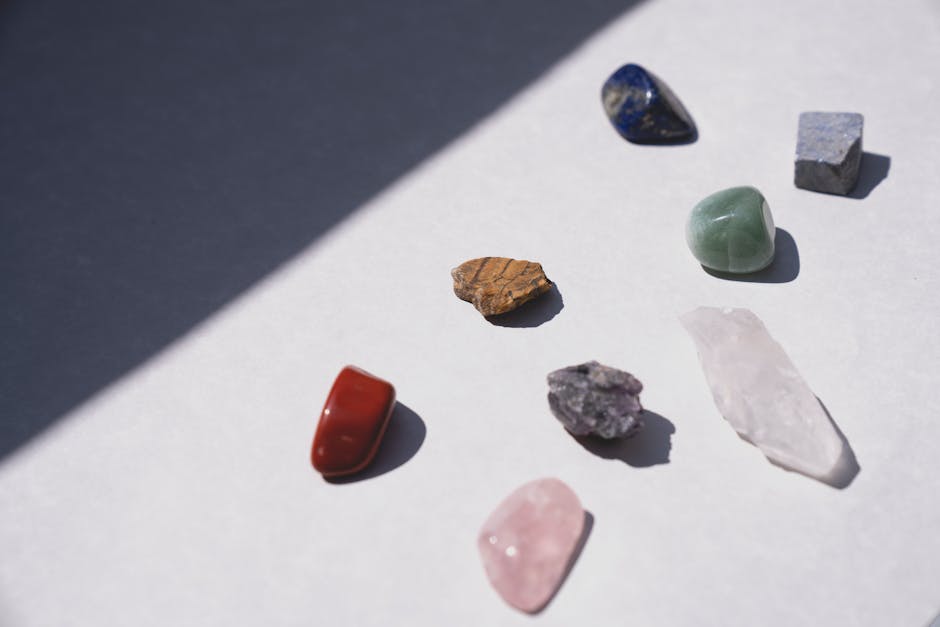
This comes up so often in anxiety and sleep contexts that it deserves its own section. Lepidolite and amethyst are the two most-recommended calm stones in modern crystal traditions, and they actually work somewhat differently in practice.
Amethyst is the more mentally-oriented calm stone. It is associated with meditation, intuition, clarity, and the third eye more directly. Practitioners describe amethyst’s quality as “sharper,” more focused, more elevating. It is the stone you reach for when you need the mind to quiet down enough to think clearly. Amethyst is also a quartz, hardness Mohs 7, and far more durable than lepidolite for jewelry and daily wear.
Lepidolite is the more emotionally-oriented calm stone. Practitioners describe its quality as softer, more nervous-system focused, more about settling than elevating. It is the stone you reach for when you need to be allowed to feel something without spiraling. Lepidolite is also significantly softer (Mohs 2.5 to 3.5) and less suited to rough jewelry use.
| Lepidolite | Amethyst | |
|---|---|---|
| Tradition | Stone of Transition, Calm Stone | Stone of Sobriety, Spiritual Wisdom |
| Best for | Emotional balance, transitions, sleep | Meditation, clarity, third eye work |
| Energy quality | Gentle, settling, nervous-system focused | Elevating, focusing, mentally sharpening |
| Mineral family | Lithium mica | Quartz |
| Mohs hardness | 2.5 to 3.5 (soft, careful with) | 7 (durable, daily wear OK) |
| Primary chakra | Crown, third eye, heart | Crown, third eye |
| Color | Lavender, pink, violet, grey | Light to deep purple |
| Lithium content | Yes (3-7% Li2O, lattice-bound) | None |
| Water safety | No (Mohs <5, soluble fluorine) | Yes (brief contact OK) |
In practice, many practitioners use both. Amethyst on the desk for the daily meditation practice, lepidolite by the bed or in the pocket for the harder hours. The two are complementary rather than substitute, and the lepidolite-amethyst pairing on a nightstand together is one of the most traditional crystal duos in the calm-stone family.
Featured Pick on Amazon

If you decide lepidolite is your calm stone over amethyst, this is the wearable form to invest in. A wire-wrapped sterling silver lepidolite pendant in the practitioner-tradition shape: sterling protects the soft Mohs 2.5 to 3.5 mica from skin oils, and the wire-wrap setting holds the stone in place without the kind of impact that flakes a softer mineral. Worn at the heart, it carries the Stone of Transition lineage in a piece built for daily wear.
View on Amazon →How to Use Lepidolite in Daily Practice
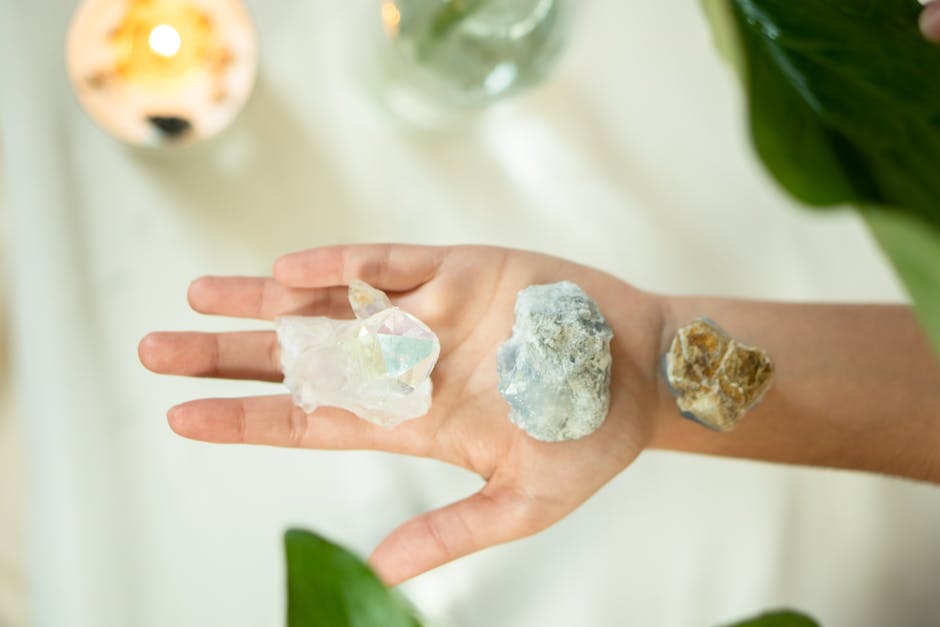
Lepidolite rewards the practitioner who keeps it close and reaches for it often. Here are the seven uses that show up most consistently in modern crystal tradition.
Pocket carry. A small tumbled lepidolite in a pocket or bag is the most common everyday use. Reach for it when the day starts to overwhelm. Run the thumb across the surface. Take three slow breaths. Put it back. The ritual is the practice.
Nightstand placement. A palm-sized slab or tumbled stone on the bedside table is the standard for sleep and nighttime unease. Pick it up when sleep is not coming. Hold for a minute. Set it down. Repeat.
Desk anchor. A lepidolite slab or polished cluster on the desk is the calm-stone equivalent of a nervous-system off switch within arm’s reach. Especially useful for sensitive people who work in high-stimulation environments.
Meditation companion. Hold a small lepidolite in the receiving hand during seated practice, breath work, or journaling. The cool, dense surface gives the mind something to come back to when it wanders.
Bath ritual replacement. Lepidolite cannot go in water. For practitioners who like a “stone-in-the-bath” feel, place a lepidolite on the bath ledge or in a small dish on the side rather than in the water itself. Same energy, no damage to the stone.
Jewelry. Lepidolite bracelets, earrings, and pendants exist, but the stone is soft and prone to scratching at Mohs 2.5 to 3.5. Pendants and earrings hold up better than rings or bracelets, which take more impact. A premium sterling silver lepidolite pendant is the safest jewelry use, and it doubles as an everyday calm-stone reminder worn close to the heart.
Shared practice. Many practitioners place a lepidolite somewhere in a shared family space (kitchen counter, bookshelf, hallway niche) as a group calming object during stressful seasons. The placement is symbolic, but the symbolism is part of how rituals work.
A small detail worth noting: lepidolite has the softness of a sliver of soap. It scratches under your thumbnail, and it flakes if you push it. That tactile detail tells you more about how to handle the stone than any care chart. Treat it gently and it lasts decades. Drop it on tile and it does not.
Featured Pick on Amazon

Solid 925 sterling silver lepidolite earrings sized for everyday wear (20mm x 33mm). Earrings hold up better than rings or bracelets at Mohs 2.5 to 3.5, and the solid sterling setting gives the soft stone the protection it needs for daily practice. The piece a serious lepidolite practitioner reaches for first thing in the morning.
View on Amazon →Lepidolite Forms, Varieties & How to Spot a Fake
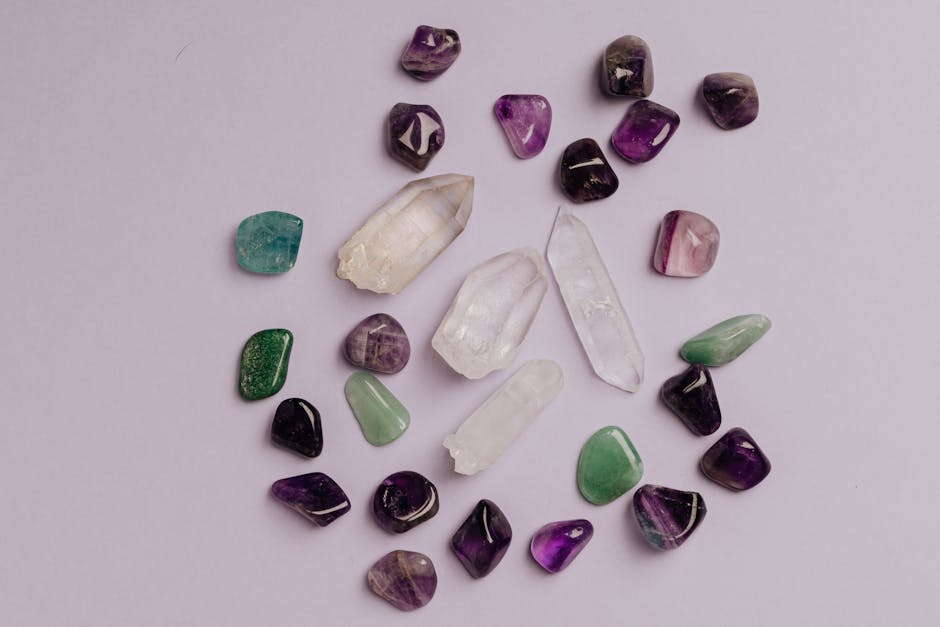
Lepidolite shows up in the market in several distinct forms, each with its own use and care profile.
Tumbled lepidolite. The most common retail form. Smooth, palm-sized, color ranging from pale pink to deep violet. Best for pocket carry and nightstand use. Inexpensive and widely available.
Lepidolite slabs. Flat polished slabs that show the natural mica book texture. Larger pieces, often used for desk or altar placement. The flatness lets the eye see the layered sheet structure clearly.
Lepidolite books and sheet aggregates. Mineralogical specimen form. Stacks of curved or planar sheets that genuinely look like the pages of a tiny stone book. Highly collector grade and often unpolished.
Lepidolite in matrix. Specimens that show lepidolite bonded to host pegmatite, often with pink tourmaline running through the lavender mica. Lepidolite-with-pink-tourmaline is a collector grail because the two minerals form together in lithium-rich pegmatites and a quality matrix specimen is one of the prettiest pegmatite displays in the mineral world.
Lepidolite jewelry. Bracelets, rings, pendants, earrings. Pendants and earrings hold up best because they take less abrasion. Sterling silver settings protect the soft stone better than wire-wrap or budget plating.
Lepidolite mala beads. A 108-bead strand for meditation practice. Worth the upgrade over a generic bracelet for serious practitioners because the bead size and rosary structure support the actual meditative use.
Now the warning section. Spotting fake or dyed lepidolite matters because the soft mica is sometimes dyed to deepen the color, glued or resin-stabilized to hold its shape in jewelry, or substituted entirely with cheaper purple-dyed stone passed off as lepidolite.
What to look for when you suspect a piece is dyed:
- Suspiciously uniform color. Real lepidolite has subtle variations, color zoning, and visible mica flake texture. A bead that looks airbrushed-uniform purple is likely dyed.
- Color that comes off on a cloth. Rub the stone with a damp white cloth (water briefly, not soaked). If pigment transfers, it has been dyed.
- Acetone test on a discreet spot. A cotton swab dipped in acetone, lightly touched to a hidden surface, will pick up dye on a treated piece.
- Resin smell or feel. Resin-bonded pieces have a slightly plasticky surface and sometimes a faint chemical smell. Genuine lepidolite feels stony, slightly chalky, and silent under the fingernail.
- Source of purchase. Mineral dealers, reputable crystal shops, and verified makers are far more likely to supply genuine lepidolite than bargain bracelet bins or unidentified imports. When in doubt, ask the seller for a source locality.
The first time you see “African turquoise” labeled on the same shelf as real turquoise, you learn that not every dyed stone is honest about what it is. Lepidolite has the same problem on a smaller scale. A reputable seller and a willingness to ask “where is this from” solves most of it.
Rare Variety on Exquisite Crystals
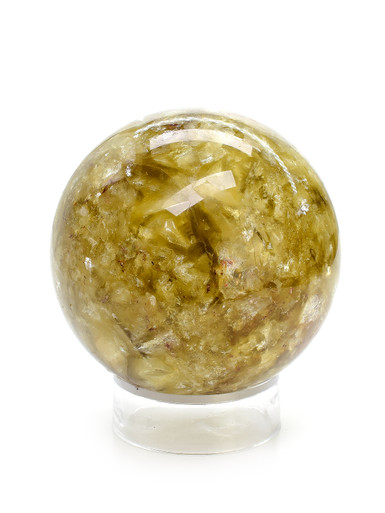
A genuine yellow lepidolite sphere, the rare variety practitioners reach for when expanding past the lavender-to-violet color range most lepidolite shows. Yellow lepidolite is significantly less common than the purple form and a clean visual reference for why color alone is not the right test for real lepidolite, the layered mica book texture is. The sphere form gives a full 360 view of the cleavage planes that distinguish real mica from dyed alternatives.
Shop at Exquisite Crystals →Cleansing & Caring for Lepidolite
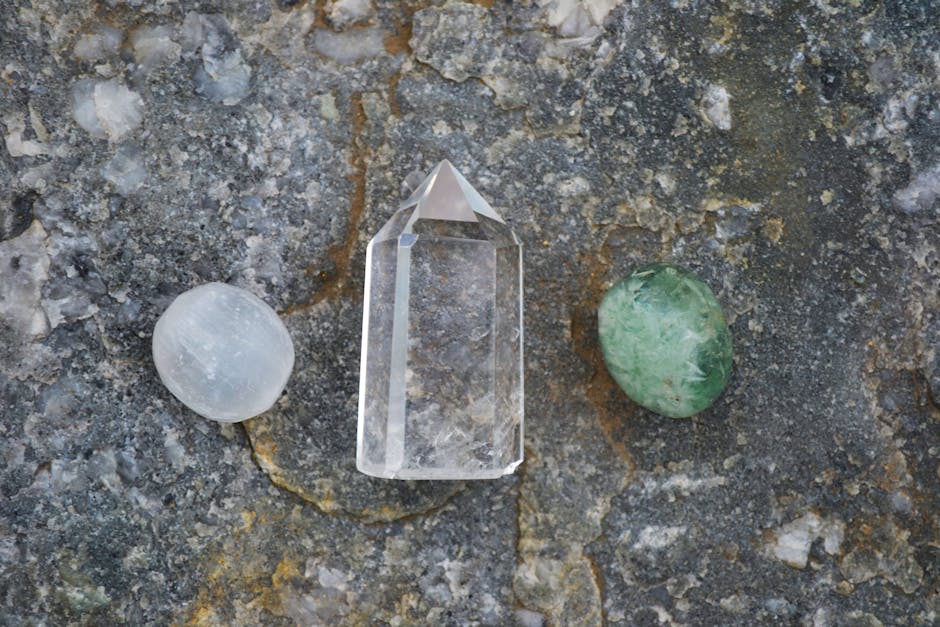
Lepidolite is one of the more delicate stones in any practitioner’s collection, and it needs careful handling to last decades. The two non-negotiables are: do not put it in water, and do not put it in salt.
Why no water. At Mohs 2.5 to 3.5, lepidolite is soft enough to flake under sustained moisture, and it contains fluorine in the lattice that can leach slowly in water. Brief contact during incidental cleaning is fine. Soaking, water rituals, moon-water bowls, salt-water baths, and any prolonged immersion will damage the stone over time.
Cleansing methods that work for lepidolite:
- Selenite plate. Set the stone directly on a selenite slab overnight. The traditional no-water cleansing tool for the entire soft-stone family.
- Sound bath. Singing bowl, tuning fork, or chime nearby for a few minutes.
- Dry sage smoke. Pass the stone briefly through smoke from white sage, palo santo, or sweetgrass.
- Moonlight. A windowsill on a clear full moon night. The traditional gentle cleanse.
Cleansing methods to avoid:
- Water of any kind (sustained immersion, not brief contact).
- Salt (dry or in solution; corrosive to soft minerals).
- Direct prolonged sunlight (fades the manganese-pink color over months).
Daily care. Store lepidolite separately from harder stones (quartz, agate, jasper) so it does not get scratched. A velvet pouch, a felt-lined drawer, or a small dish reserved for the soft-stone collection works well. If you wear a lepidolite pendant or earrings, take them off before showering, swimming, or any cleaning that involves chemicals.
Charging. The same selenite plate that cleanses lepidolite can charge it overnight if you set the intention. Many practitioners pair the cleanse-and-charge into a single overnight ritual: stone on selenite, intention named, retrieved in the morning. The simplicity is part of why it works.
Featured Pick from Energy Muse

A self-cleansing selenite box built specifically for storing soft Mohs 2.5 to 3.5 stones like lepidolite that cannot go in water. Set your lepidolite jewelry or tumbled pieces inside overnight and the surrounding selenite walls clear them without ever introducing the moisture, salt, or sunlight that damages soft mica from the inside. The practitioner-tradition standard for the “no water” family, and the one cleansing tool a lepidolite collection actually needs.
Shop at Energy Muse →Crystal Pairings That Work With Lepidolite
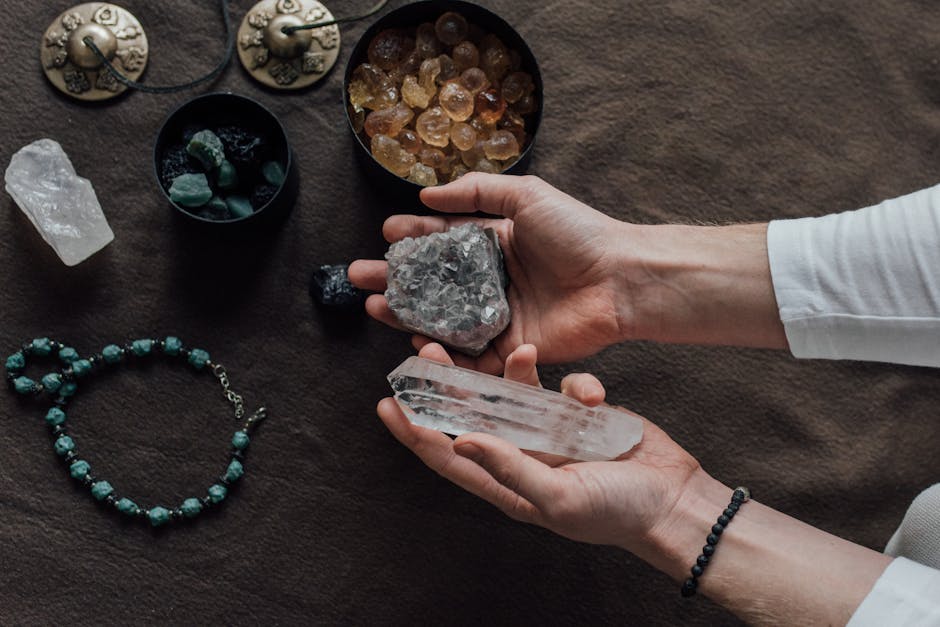
Lepidolite plays well with a wide range of stones in the practitioner tradition. Six pairings show up most consistently.
Lepidolite + amethyst. The classic anxiety and sleep duo. Amethyst sharpens the mind, lepidolite settles the nervous system. The two on a nightstand together cover both the racing-thought side and the body-tension side.
Lepidolite + rose quartz. The grief and self-compassion pairing. Rose quartz softens, lepidolite holds the shape. Useful during heartbreak, family stress, and emotional transitions.
Lepidolite + black tourmaline. The empath shielding pairing. Black tourmaline buffers external input, lepidolite settles the internal response. A common pocket pair for practitioners who describe themselves as overstimulated by crowded spaces or news cycles.
Lepidolite + smoky quartz. The grounding pairing. Smoky quartz roots, lepidolite floats. Useful during major life transitions where the body feels unmoored.
Lepidolite + moonstone. The cycle and transition pairing. Moonstone for the rhythm of change, lepidolite for the in-between moments. Often used together during major life pivots.
Lepidolite + pink tourmaline. The pegmatite cousin pairing. Both stones form in the same lithium-rich rock, and they work together as a heart-and-throat opening combination in the tradition. Aesthetically, lepidolite-with-pink-tourmaline matrix specimens are some of the most beautiful in any collection.
A note on pairings: more is not always better. Two stones on the nightstand, three at most. The point of pairing is to build a coherent ritual, not to stack the entire crystal cabinet onto one practice.
Featured Pairing Specimen on Exquisite Crystals
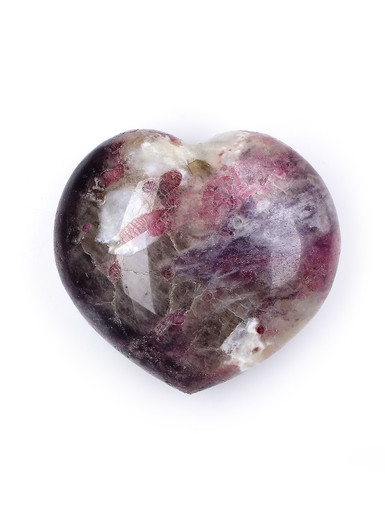
A natural tourmaline and lepidolite in quartz heart, the literal pairing specimen for the most traditional lepidolite duo. Black tourmaline grounds the soft lepidolite, and quartz amplifies both. Three stones in one piece is what natural pegmatite chemistry produces, the same Brazilian and Madagascar mines yield all three together, and a heart cut keeps the pairing on a daily altar in a single piece rather than three separate ones.
Shop at Exquisite Crystals →Frequently Asked Questions
Is lepidolite a real lithium stone? Yes. Lepidolite contains 3 to 7 percent lithium oxide by weight, locked into the crystal lattice as a structural element. The lithium is real but it is not bioavailable. Handling, wearing, or sleeping next to lepidolite does not transfer lithium to the body the way prescription medication does.
What is lepidolite good for in the calm-stone tradition? Practitioners reach for lepidolite for emotional balance, transitions, anxiety support, sleep difficulties, and overstimulation. It is most strongly associated with the Stone of Transition tradition and the broader calm-stone family of crystals. Lepidolite is a complementary tool and not a substitute for professional care.
What chakra is lepidolite associated with? Lepidolite is most commonly associated with the crown chakra as primary, with secondary associations to the third eye and heart. The lavender-to-pink color spectrum maps to the upper energetic pathway in the practitioner tradition.
What zodiac sign is lepidolite for? Lepidolite is most strongly associated with Libra and Pisces. Libra for the balance and harmony tradition, Pisces for the empath and sensitive-nervous-system fit. Some sources also cite Cancer and Virgo as secondary associations.
Can lepidolite get wet? No. Lepidolite is Mohs 2.5 to 3.5, which is soft enough to flake under sustained moisture, and it contains lattice-bound fluorine that can leach in water over time. Brief incidental contact is fine; soaking, water rituals, and salt-water cleansing are not.
How can you tell if lepidolite is real or dyed? Real lepidolite has subtle color variations, visible mica flake texture, and a slightly chalky stony feel. Suspiciously uniform color, color that transfers to a damp cloth, an acetone-positive swab on a hidden spot, and a faint plasticky resin smell are all signs of dyed or stabilized pieces.
Is lepidolite safe to wear every day? Skin contact is safe; the stone itself is not. Lepidolite is too soft for daily wear in rings or bracelets that take impact. Pendants and earrings hold up better, especially in protective sterling silver settings. Take jewelry off before showering, swimming, or cleaning.
What stones pair well with lepidolite? The most traditional pairings are lepidolite with amethyst (anxiety and sleep), rose quartz (grief and self-compassion), black tourmaline (empath shielding), smoky quartz (grounding), moonstone (transitions), and pink tourmaline (pegmatite cousin). Two or three stones in a pairing work better than a stacked grid.
Sources & References
- “Lepidolite.” Mindat.org, Hudson Institute of Mineralogy.
- King, Hobart M. “Lepidolite: A lithium-bearing mica mineral.” Geology.com.
- “Lepidolite | mineral.” Encyclopaedia Britannica.
- “Lepidolite Mineral Data.” Webmineral.com.
- Hall, Judy. The Crystal Bible: A Definitive Guide to Crystals. Walking Stick Press, 2003.
- Melody. Love Is in the Earth: A Kaleidoscope of Crystals. Earth-Love Publishing, 1995.
- Anthony, J.W., et al. Handbook of Mineralogy: Silica, Silicates. Mineral Data Publishing, 2003.
- Klein, Cornelis, and Cornelius S. Hurlbut Jr. Manual of Mineralogy. 21st ed., John Wiley & Sons, 1993.
We may earn a commission from links on this page at no extra cost to you. This helps us keep CrystalsAlchemy running.
This article was originally published on