Black Obsidian Crystal: Complete Healing Properties & Uses Guide
Black obsidian is one of those stones that doesn’t ask for a relationship so much as demand one. Pick up a black obsidian crystal and you feel it. The surface is glassy and cold, the color so deep it seems to absorb light rather than reflect it. In crystal healing, this isn’t decorative. Black obsidian is the stone of honest work, the one you reach for when you’re ready to look at what you’ve been avoiding.
This guide covers the geology, the meaning, the healing properties, the major varieties, how to use it without overwhelming yourself, and the specific situations where black obsidian isn’t the right call. If you’re new to the stone, read the whole thing. If you already own a piece and want to use it better, jump to the sections you need.
In This Guide:
What Is Black Obsidian?
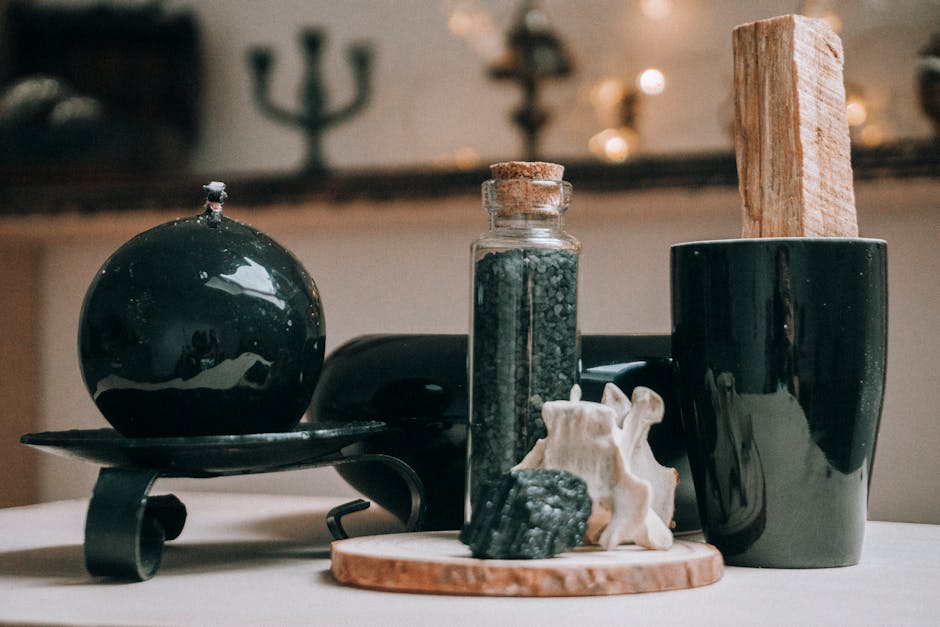
Geologically, black obsidian is volcanic glass. When lava cools too quickly for crystals to form, the silica-rich liquid freezes into an amorphous glass with no crystalline structure. That’s obsidian. It forms at the edges of lava flows, most commonly at rhyolite eruptions where the melt is high-silica and cools fast against air or water.
The pure black color comes from iron and magnesium impurities suspended evenly through the glass. Because there’s no crystal lattice, obsidian fractures in curved, shell-like patterns (conchoidal fracture) with edges sharper than surgical steel. Our ancestors figured this out quickly: obsidian blades have been found at archaeological sites dating back over a million years, used as cutting tools, arrowheads, and ritual objects.

A standout obsidian piece from Energy Muse — hand-selected for its energetic quality and connection to healing. This is the kind of piece that anchors a collection and deepens your daily practice.
Shop at Energy Muse →The major sources today are Mexico, the Western United States (especially Glass Buttes in Oregon and various sites in New Mexico), Iceland, Italy, Japan, and parts of East Africa. Mexican obsidian tends to be the most widely available in the healing-crystal market, often from Jalisco and Michoacán.
Hardness sits around 5 to 5.5 on the Mohs scale. That’s softer than quartz, which matters because obsidian chips easily and can be damaged by a hard knock. It’s also why you’ll see obsidian polished smooth rather than left faceted like harder gemstones.
| Property | Detail |
|---|---|
| Chemical composition | Silica-rich volcanic glass (SiO2, ~70-75%) |
| Hardness (Mohs) | 5 to 5.5 |
| Fracture | Conchoidal (shell-like, curved) |
| Color | Deep black from iron and magnesium impurities |
| Primary chakra | Root (with secondary sacral activation) |
| Zodiac association | Scorpio (primary), Capricorn, Sagittarius |
| Planet | Pluto (shadow work, transformation) |
| Element | Earth + Fire (volcanic origin) |
Meaning & Symbolism

Spiritually, black obsidian is the stone of truth-telling. It’s been used ceremonially for at least 7,000 years. The Aztec god Tezcatlipoca (‘Smoking Mirror’) was associated with obsidian, and Mayan priests made scrying mirrors from polished obsidian to see both the future and the self. John Dee, Queen Elizabeth I’s astrologer, owned one of those Aztec mirrors. The tradition is global because the stone keeps showing up in the same role: a reflector of what’s actually there.
In modern crystal healing, black obsidian crystal is most often described as a stone of psychic protection, grounding, and shadow work. All three descriptions point at the same core function. Black obsidian cuts through illusion. It doesn’t create a new reality, it just removes the fog covering the one that already exists. If there’s something you’ve been half-aware of and unwilling to name, black obsidian will name it.
A standout obsidian piece from Energy Muse — hand-selected for its energetic quality and connection to healing. This is the kind of piece that anchors a collection and deepens your daily practice.
Shop at Energy Muse →This is why the stone has a reputation for being intense. The protection it offers isn’t a gentle shielding; it’s more like a bodyguard who makes you go home and deal with your actual life. Grounding with black obsidian doesn’t feel like floating down softly. It feels like landing.
For practitioners, that honesty is the whole point. If you want a stone that feels warm and comforting, this isn’t it. If you want a stone that will stand with you while you face what needs facing, black obsidian is one of the most effective tools in the tradition.
Healing Properties & Benefits
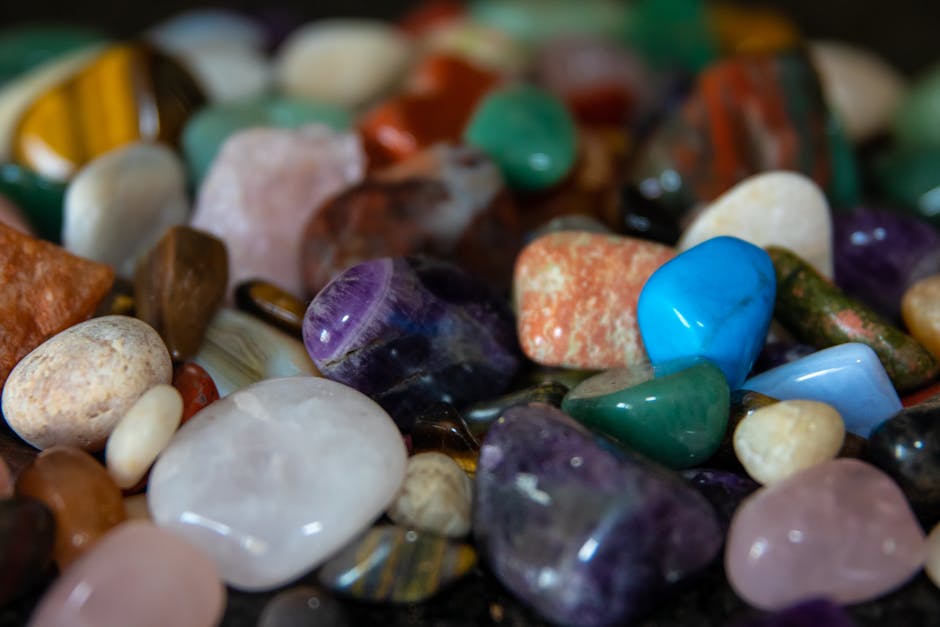
Black obsidian‘s healing properties cluster in four areas: emotional, spiritual, physical, and chakra work. Here’s what practitioners consistently report across each.
Emotional healing
- Cord cutting and unhooking: the #1 use case. Black obsidian crystal helps sever energetic attachments to people, places, or situations that have outlived their purpose. Ex-relationships, codependent family patterns, grudges you keep rehearsing.
- Grief work: the black obsidian stone holds weight. For practitioners processing recent or long-buried loss, obsidian provides a steadiness that more cheerful crystals can’t. It doesn’t rush you out of the feeling.
- Shadow integration: the parts of yourself you find unacceptable (anger, envy, the wanting you’ve tried to edit out) become workable in obsidian’s presence. The stone doesn’t judge them, which makes it easier for you to stop judging them too.
- Trauma recovery support: not a replacement for therapy, but a useful companion. Many practitioners carry a black obsidian crystal to therapy sessions or use it as a touchstone during journaling about hard material.
Spiritual healing
- Scrying and divination: the traditional use. A polished obsidian mirror is one of the classic scrying tools for accessing information outside ordinary waking awareness.
- Ancestral work: black obsidian supports sitting with ancestry honestly, including lineages with difficulty in them. It’s a stone of the underworld in many traditions, and the underworld is where ancestors live.
- Shamanic journey work: used for protection during journey states and for facilitating direct encounter with one’s own deep psyche.
- Endings and thresholds: black obsidian is a stone of completion. Use it when a chapter genuinely needs to close so the next one can open.
Physical healing support
- Root chakra grounding: a black obsidian crystal anchors attention into the body. For people who dissociate under stress or live mostly in their heads, this is the stone for staying present physically.
- Nervous system regulation: practitioners report black obsidian’s weight helps during anxiety or overwhelm. Hold it, breathe, feel the density.
- Detoxification support: traditional use in Chinese medicine associates obsidian with clearing stagnant energy and supporting the body’s natural elimination pathways. Not a substitute for medical care.
- Sleep support during nightmares: a small black obsidian crystal or tumbled stone near the bed can help with recurring bad dreams, especially ones connected to unprocessed emotional material.
A note on physical claims: crystal healing is a complementary practice, not a substitute for medical care. Treat physical healing claims as supportive rather than curative.
Chakra work
- Root chakra (primary): this is where black obsidian does most of its work. It anchors, protects, and grounds the root chakra, which is the foundation for every other energy center.
- Sacral chakra: secondary activation. Useful for processing emotional material held in the lower belly, including old grief, sexual trauma, and creative blocks.
- Earth star chakra (below the feet): for practitioners who work with this expanded chakra system, black obsidian is one of the primary stones for earth star activation and stabilization.
- Avoid at upper chakras: black obsidian at the crown or third eye can feel suppressive. Use it where it belongs. Keep lighter stones (amethyst, selenite) for upper chakra work.

Black Obsidian Varieties
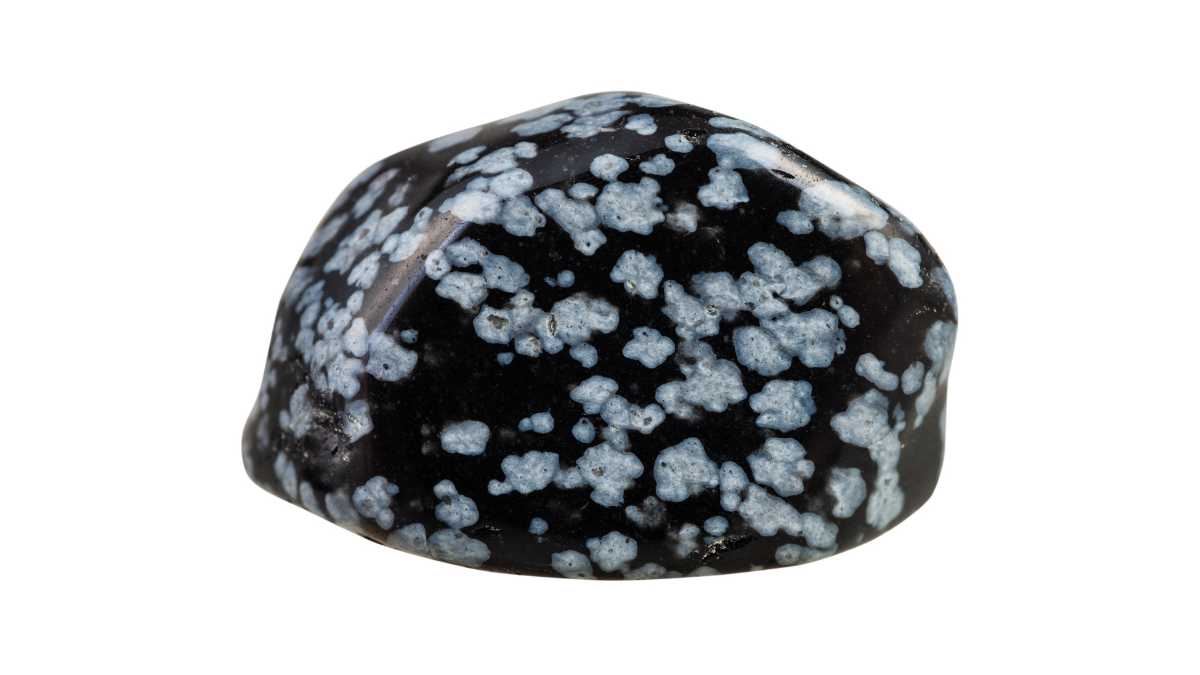
Black obsidian shows up in several distinct varieties. All share the same base volcanic glass structure, but inclusions and formation conditions create noticeably different energies.
Pure Black Obsidian
The baseline form. Solid black, glossy, uniform. This is the workhorse. Used for cord cutting, shadow work, direct psychic protection. Most powerful for unhooking and clearing.
Snowflake Obsidian
Black obsidian with white or grayish inclusions of cristobalite (a form of silica) that look like small snowflakes. Gentler than pure black. Useful for practitioners new to obsidian work, or for integrating shadow material over longer periods. Balances isolation with connection.
Mahogany Obsidian
Black with reddish-brown swirls from iron oxide inclusions. Warmer than pure black. Associated with vitality, strength through difficulty, and healing after significant loss. Less confrontational, more supportive.
Rainbow Obsidian
Black obsidian that shows iridescent color bands when cut and polished correctly. Caused by layers of magnetite nanoparticles. The softest emotionally of the obsidian family. Used for healing heartbreak, soothing grief, and adding gentleness to the obsidian current.
Apache Tear
Small, naturally rounded black obsidian nodules, usually slightly translucent when held to light. A folk-legend obsidian from the Southwestern United States. Used for grief and bereavement specifically. Gentler than standard obsidian, closer to mahogany in feel.
Silver and Gold Sheen Obsidian
Black obsidian with a metallic sheen (silver or gold) caused by light reflecting off gas bubble layers trapped during formation. Used for scrying and mirror work because the sheen activates during meditation. Often considered the most visually striking of the family.

How to Use Black Obsidian

Black obsidian is a stone that responds to specific, intentional use. Vague daily-wear doesn’t do much. Here are the methods that actually work.
- Cord cutting ritual: hold a black obsidian wand (or any pointed piece) in your dominant hand. Visualize the cord connecting you to whatever you’re releasing. Sweep the wand through the air between you and the cord, stating out loud what you’re cutting. Cleanse the wand immediately after.
- Altar placement for shadow work: keep a piece of black obsidian on a journaling altar or therapy-prep space. Use it during writing sessions when you’re working with hard material. Limit sessions to 30-60 minutes.
- Meditation (briefly): hold black obsidian for 10-15 minutes during meditation when you want to drop out of mental chatter and into the body. Not recommended for longer sessions without a specific purpose.
- Crystal grids: black obsidian works as a perimeter stone in protection and cord-cutting grids. Pair with clear quartz for amplification and rose quartz for emotional softening.
- Home placement: a larger black obsidian piece near the front door absorbs ambient negative energy from people entering the space. Cleanse monthly.
- Scrying: polished obsidian mirrors or spheres, candlelit room, soft-focus gaze into the surface. Traditional practice. Take it seriously if you do it at all.
- Carrying during transitions: a small tumbled piece in your pocket during major life transitions (ending a relationship, leaving a job, moving, grieving). Acts as a steady companion.
How to Cleanse & Charge Black Obsidian
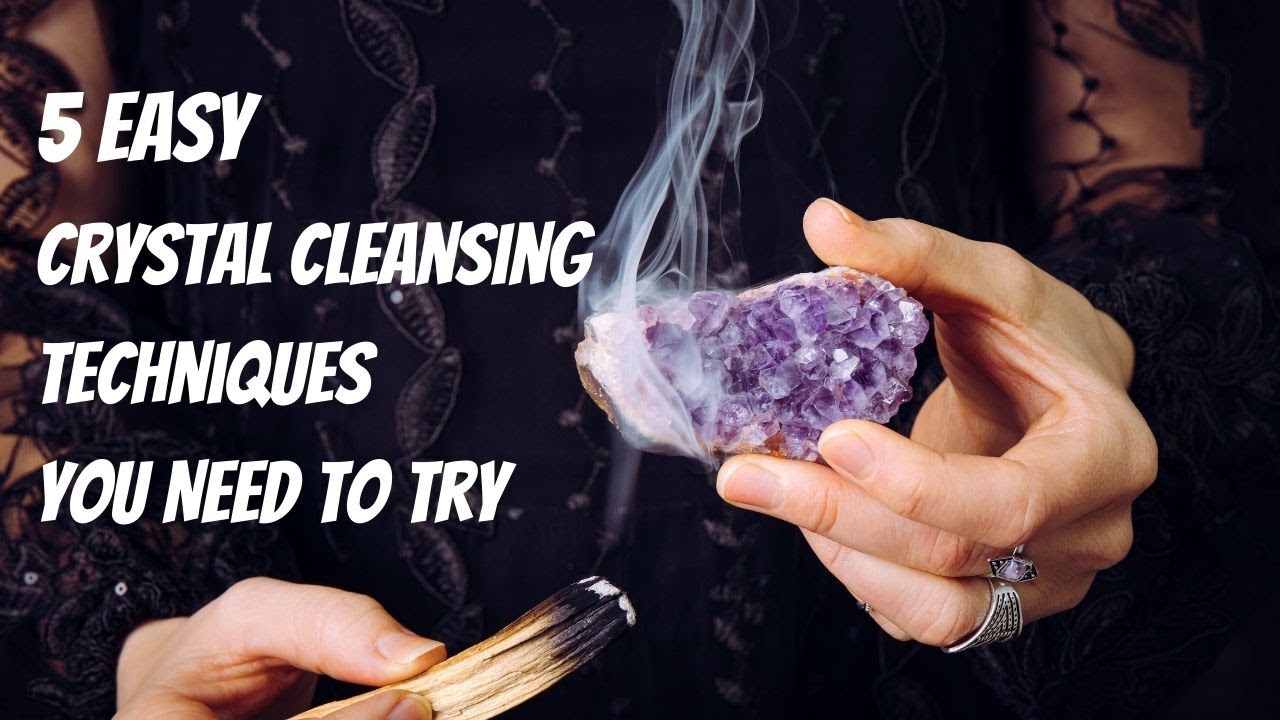
Black obsidian needs more frequent cleansing than most crystals because it absorbs so aggressively. If you use a black obsidian crystal for cord cutting or shadow work, cleanse it immediately after. For ambient home use, weekly to monthly cleansing is appropriate depending on household energy.
Recommended cleansing methods:
- Smoke cleansing (sage, palo santo, cedar, mugwort) is the most traditional and effective for black obsidian.
- Moonlight (especially during the new moon and dark moon phases) resets obsidian deeply. Leave overnight on a windowsill.
- Selenite contact: place on a selenite plate or near a selenite wand for several hours.
- Sound cleansing: Tibetan bowl or tuning fork held near the stone for a minute or two.
- Buried in salt or earth overnight for deep cleansing after heavy shadow work.
Avoid these methods:
- Prolonged running water can damage polished surfaces over time (brief rinses are fine, but don’t soak).
- Direct sunlight can fade rainbow and sheen varieties. Keep sun exposure short.
- Don’t cleanse with salt water for polished or carved pieces. Dry salt or brief rinses only.
Once cleansed, black obsidian benefits from a brief charging period before the next use. Unlike crystals that charge in sunlight, obsidian responds best to darkness and earth contact. Place it on soil in a garden overnight, or hold it while setting a specific intention for its next use. Programming is simple: state clearly (out loud or silently) what you’re asking the stone to help with during its next session.

When NOT to Use Black Obsidian
Black obsidian is not a beginner’s daily-wear crystal. Some situations call for a different tool.
During active psychological crisis: if you’re in the middle of a mental health emergency, black obsidian can intensify rather than soothe. Reach for rose quartz, amethyst, or lepidolite instead, and contact a professional.
For children: black obsidian is too intense for most children’s energy fields. Use gentler stones for kids (rose quartz, amethyst, clear quartz).
During sleep, with heavy transits active: if you’re in a Pluto or Saturn transit and already feeling crushed, sleeping with black obsidian under the pillow can amplify nightmares and processing. Move it away from the bed until the transit passes.
In combination with strong stimulants: if you’ve been using lots of caffeine, nicotine, or other stimulants, black obsidian‘s grounding action can feel jarring. Ease up on stimulants when you start obsidian work.
Without a therapist if you’re doing heavy shadow work: crystals support therapeutic work but don’t replace it. If black obsidian is surfacing significant material, get professional support.
Frequently Asked Questions
Is black obsidian safe to wear every day?
Short answer: not recommended for most people. Black obsidian works through intensity, and daily exposure can leave you feeling raw or over-processed. Use it for specific sessions or during defined transitions. For daily grounding and protection, black tourmaline or hematite are gentler alternatives that you can wear long-term.
Can I sleep with black obsidian under my pillow?
Only for specific purposes and short periods. Sleeping with black obsidian can help with nightmares connected to unprocessed trauma, but it can also amplify dreams significantly. If you try it and your dreams become too intense, move the stone to your nightstand or off the bedroom entirely. Don’t sleep with it during a Pluto or Saturn transit without a clear reason.
What zodiac signs benefit most from black obsidian?
Scorpio (its traditional birthstone association), Capricorn, and Sagittarius tend to resonate most strongly. Scorpio for the shadow work, Capricorn for the structural grounding, Sagittarius for the honesty. Cancer and Pisces can also work with black obsidian but should pair it with softer heart-opening stones to balance the intensity.
How can I tell real black obsidian from glass or plastic?
Real black obsidian has a conchoidal (shell-like, curved) fracture pattern where chipped, feels noticeably cold to the touch even in a warm room, and usually has tiny gas bubbles or flow lines visible under good light. Glass imitations feel warmer, often too uniform in color, and lack the subtle variations of natural obsidian. Weight is similar so weight alone won’t tell you.
What chakra does black obsidian open?
Primarily the root chakra, with secondary activation of the sacral chakra and earth star chakra. Black obsidian is not meant for upper chakra work. Using it at the crown or third eye tends to feel suppressive rather than opening. For upper chakra activation, pair black obsidian (at the root) with amethyst or selenite (at the crown).
Can black obsidian help with anxiety?
Sometimes, but not always. Black obsidian’s grounding action can calm generalized anxiety by pulling attention back into the body. For acute panic or trauma-triggered anxiety, it’s too intense and can worsen symptoms. Rose quartz, amethyst, or lepidolite are better choices for acute anxiety. Use black obsidian for the ongoing processing work between episodes.
Is black obsidian the same as onyx or jet?
No, though they’re often confused. Obsidian is volcanic glass with no crystalline structure. Onyx is a banded form of chalcedony (crystalline quartz). Jet is fossilized wood, organic in origin. All three are dark and used for grounding and protection, but they have different energetic signatures. Obsidian is the most cutting and honest, onyx is more stoic and enduring, jet is more protective against external negativity.
Sources & References
- Hall, Judy. “Crystals for Energy Healing: A Practical Sourcebook of 100 Crystals.” Fair Winds Press, www.amazon.com.
- Gienger, Michael. “Crystals for Psychic Self-Defense.” Earthdancer Books, www.amazon.com.
- “Obsidian.” Mindat.org, www.mindat.org.
- “Obsidian: Igneous Rock.” Geology.com, www.geology.com.
- “The Little-Known History of Obsidian in Archaeology.” Smithsonian Magazine, www.smithsonianmag.com.
Last Updated on April 19, 2026
We may earn a commission from links on this page at no extra cost to you. This helps us keep CrystalsAlchemy running.
This article was originally published on