Crystal Shapes & Their Meanings: Points, Spheres, Pyramids & Wands
The stone carries the vibration. The shape carved into it directs that vibration into the room. Two truths that work together. The second one is the part most posts skim past.
After more than a decade of working with crystal shapes on altars, in client sessions, and in everyday placement, the practitioner truth is clear: shape is not decoration. It is the second half of the message. A citrine point and a citrine sphere do related work, but not identical work. A rose quartz heart and a rose quartz palm stone hold the same love-frequency from different ends. Same stone, different message.
This guide walks through 14 crystal shapes and their meanings, the five-category energy-direction system practitioners actually use, dedicated how-to-use sections for the three most-asked shapes (wand, sphere, pyramid), honest natural-vs-polished framing, and an 8-question FAQ. By the end, you will know which shape to pick for which work, and why.
Editor’s Pick: Flagship Crystal Sphere

A Rainbow Garden Quartz Sphere — a polished clear quartz masterpiece adorned with mesmerizing chlorite garden inclusions and natural rainbow flashes inside the body. Practitioner tradition reads the internal mineral landscapes as living maps of intention, and the polished spherical form makes this the most versatile shape: radiates equally in all directions, works for meditation, scrying, altar centerpiece, and room amplifier. The statement piece for anyone serious about the power of quartz.
Shop at Exquisite Crystals →In This Guide
- What Crystal Shapes Mean
- How Shape Directs Energy: The 5 Practitioner Categories
- 14 Crystal Shapes & Their Meanings
- Best Crystal Shape by Intention
- How to Use a Crystal Wand
- How to Use a Crystal Sphere
- How to Use a Crystal Pyramid
- Natural vs Polished: Does Shape Affect the Energy?
- Crystal Shape Care & Cleansing
- Crystal Shapes FAQ
- Sources & References
What Crystal Shapes Mean

Quick disambiguation before going further. This guide covers decorative and healing crystal shapes used in energy practice: points, towers, spheres, pyramids, wands, hearts, clusters, cubes, tumbled stones, palm stones, eggs, merkabas, generators, and obelisks. It is not about mineralogy crystal lattices (the seven Bravais systems that geologists study). It is not Swarovski rhinestones (costume jewelry). It is not jewelry cuts (oval, teardrop, marquise, briolette). It is not Harry Potter wands.
Crystal shapes describe the carved or natural forms crystals take. Some are cut and polished from raw stone, like a tower or sphere. Some are natural formations, like a cluster of points growing from a single base. Each shape directs the stone’s energy differently. A sphere radiates equally in all directions. A point projects in a single beam. A pyramid amplifies and anchors. The stone defines the vibration. The shape defines the direction.
Why does this matter in practice? Because two practitioners working with rose quartz can be doing very different work. The one with a rose quartz heart on their altar is doing self-love and partnership work, focused at the heart. The one with a rose quartz tower on their desk is radiating heart-frequency through the whole workspace. Same stone, different shape, different intention.
The rest of this guide is the practitioner-tradition system for matching shape to intention.
How Shape Directs Energy: The 5 Practitioner Categories
Most posts list crystal shapes and give each one a paragraph. That works, but it skips the underlying system. Practitioners think in five categories, and once you have the categories, every shape clicks into place.
1. Directional shapes. Points, wands, towers, generators, obelisks. These all share one feature: a clear apex that focuses and projects energy in a single direction. Practitioners reach for directional shapes when the work is targeted. Manifestation. Chakra-clearing in a healing layout. Projecting intention into a grid. Anything where you want the energy to GO somewhere specific.
2. Radiating shapes. Spheres, palm stones. Energy moves equally in all directions, with no preferred axis. Practitioners reach for radiating shapes when the work is ambient. Meditation. Scrying. Filling a room with a steady frequency. Holding a constant field while you do other work.
3. Amplifying shapes. Pyramids, clusters. These shapes either boost the intrinsic energy of the stone itself (pyramid) or multiply the energy across multiple points (cluster). Practitioners reach for amplifiers when the work needs more force than a single stone provides. Charging other crystals. Protecting a room with a four-corner grid. Strengthening a manifestation intention.
4. Grounding shapes. Cubes, tumbled stones, eggs to some extent. Stable, low-axis, hand-friendly forms that anchor energy into the body or the space rather than projecting outward. Practitioners reach for grounding shapes when the work is interior. Body-based meditation. Pocket carry for steady daily energy. Anchoring a chakra grid at the root.
5. Sacred geometry shapes. Merkabas, hearts, freeforms. These carry symbolic or focused meaning beyond directional energy work. The merkaba aligns with light-body practice. The heart channels heart-chakra frequency specifically. Freeforms hold the stone’s character without any directional shaping.
When clients ask which shape to start with, the answer is almost always a sphere or a palm stone. Both are the most forgiving and the most versatile. Both teach you what shape feels like in the hand. From there, the rest of the system makes sense.
14 Crystal Shapes & Their Meanings
The full reference. Each shape gets a quick visual ID, its energy category, the practitioner-tradition use cases, an example stone × shape pairing, and a placement tip.
Crystal Points: Direct & Manifest
Featured Pick: Phantom Quartz Point on Stand

A natural phantom quartz point with internal phantom inclusions (a former crystal face frozen mid-growth, visible as a ghost line inside the body). Phantom quartz is the collector-tier point variety practitioners reach for when the work involves past-life or generational healing. Comes presentation-ready on a stand for desk or altar placement.
Shop at Exquisite Crystals →A crystal point is a stone with one pointed tip (the apex) and either a natural or cut base. Some points are entirely natural, formed in the earth with single termination. Others are cut and polished from raw quartz. Both work the same way.
Energy direction: Directional. The apex projects whatever frequency the stone carries into the space it is pointed toward.
Best for: Manifestation work. Chakra clearing during healing sessions. Programming intention into a grid. Directing energy at a specific spot.
Stone × shape example: A citrine point on the desk, apex pointed at the wall, projects prosperity and confidence into the workspace. A clear quartz point in the hand during meditation amplifies whatever intention you are holding.
Practitioner placement tip: Point the apex AWAY from yourself when projecting intention outward. Point it TOWARD a chakra when drawing energy inward during a healing layout.
Crystal Towers: Radiate Upward
Featured Pick: Rainbow Quartz Tower

A premium quartz tower with rainbow inclusions catching light through the body. Towers radiate energy upward and outward from their stable base, making them altar centerpieces and workspace amplifiers. The rainbow inclusions add a multi-spectrum visual that catches attention in any room and signals “this is a real practitioner piece.”
Shop at Exquisite Crystals →A crystal tower is a polished, four-to-six-sided form with a flat base and a tapered apex. Towers stand upright on their own and have a presence that fills a room.
Energy direction: Directional, radiating upward and outward from the base.
Best for: Workspace placement. Altar centerpieces. Room amplifiers. Anywhere you want a steady upward energy field through the day.
Stone × shape example: A selenite tower is the practitioner-classic cleansing tool, kept on the altar or near other crystals. A rose quartz tower in the bedroom radiates partnership and self-love.
Practitioner placement tip: Towers work best when given space. They project a field. Crowding them with other objects dampens the radiation.
Crystal Generators: Concentrated Focus
Featured Pick: Smoky Citrine Polished Generator Point

A six-sided generator point cut from natural smoky citrine. Generators concentrate energy more tightly than asymmetric points, making them the centerpiece of crystal grids and manifestation work. The smoky citrine combination brings grounding (smoky) plus prosperity-and-clarity (citrine) into one focused tool.
Shop at Exquisite Crystals →A generator is a specific type of point with six equal sides meeting at the apex. The six-sided geometry concentrates the energy more tightly than a typical asymmetric point. Generators tend to be cut from clearer, higher-grade stone.
Energy direction: Directional with concentration. Generators are the most focused of the directional shapes.
Best for: Manifestation work that benefits from precision. Crystal grids where the centerpiece needs to be the strongest projector. Programming a specific intention deeply into the stone.
Stone × shape example: A clear quartz generator at the center of a crystal grid amplifies the intention through every supporting stone. An amethyst generator on the meditation cushion concentrates crown-chakra work.
Practitioner placement tip: Generators work best as the centerpiece of a setup. Surround them with smaller supporting stones rather than placing them alongside another tower or generator.
Crystal Obelisks: 4-Sided Vertical Anchor
Featured Pick: Clear Quartz Crystal Obelisk

A natural clear quartz obelisk, four-sided tapering form with the pyramidal apex that combines tower-style vertical radiation with pyramid-style apex focus. Clear quartz is the most versatile crystal in the kingdom, and the obelisk form makes it the practitioner pick for desk placement, front-door protection grids, and altar pieces where you want both presence and directional intent in one stone.
View on Amazon →An obelisk is a four-sided tower with a pyramidal cap. The four sides give the stone a strong vertical line, and the pyramidal top adds a slight amplification quality from the apex geometry.
Energy direction: Directional + lightly amplifying. The obelisk combines the upward radiation of a tower with the apex-focus of a pyramid.
Best for: Workspace anchor. Front-door placement for protection. Altar pieces where you want both stability and a sharper focus than a plain tower.
Stone × shape example: A black tourmaline obelisk at the front door is the practitioner-tradition protection setup. A clear quartz obelisk on the office desk holds clarity through long workdays.
Practitioner placement tip: Obelisks read as both decor and energy work. The four-sided geometry catches light differently from a six-sided tower, which makes them Pinterest-popular for visible altar setups.
Crystal Wands: Active + Receptive Ends
Featured Pick: Lemurian Quartz Wand (Collector Tier)

A Lemurian Quartz wand, the practitioner-tradition “seed crystal” form with distinctive horizontal striations along the body (read as encoded information by collectors and energy workers). Collector tier in both quality and provenance, Lemurian quartz wands are the practitioner pick when the work calls for deep ancestral or codified intention work, not just general healing layouts.
Shop at Exquisite Crystals →A crystal wand is an elongated, hand-held stone with one pointed end and one rounded end. The two ends do different work, which is the practitioner detail most posts skim past.
Energy direction: Bidirectional. Pointed end transmits. Rounded end receives.
Best for: Healing layouts. Reiki sessions. Chakra clearing. Programming intention. Drawing heaviness out of the body.
Stone × shape example: A clear quartz wand is the all-purpose practitioner workhorse. An amethyst wand suits crown-chakra and spiritual work. A selenite wand is the cleansing wand most practitioners reach for.
Practitioner placement tip: Use the pointed end to PROJECT intention into a chakra or out into the room. Use the rounded end to PULL heaviness OUT of a chakra during a clearing session. Practitioners who do healing layouts use both ends in a single session.
Crystal Spheres: Radiate & Scry
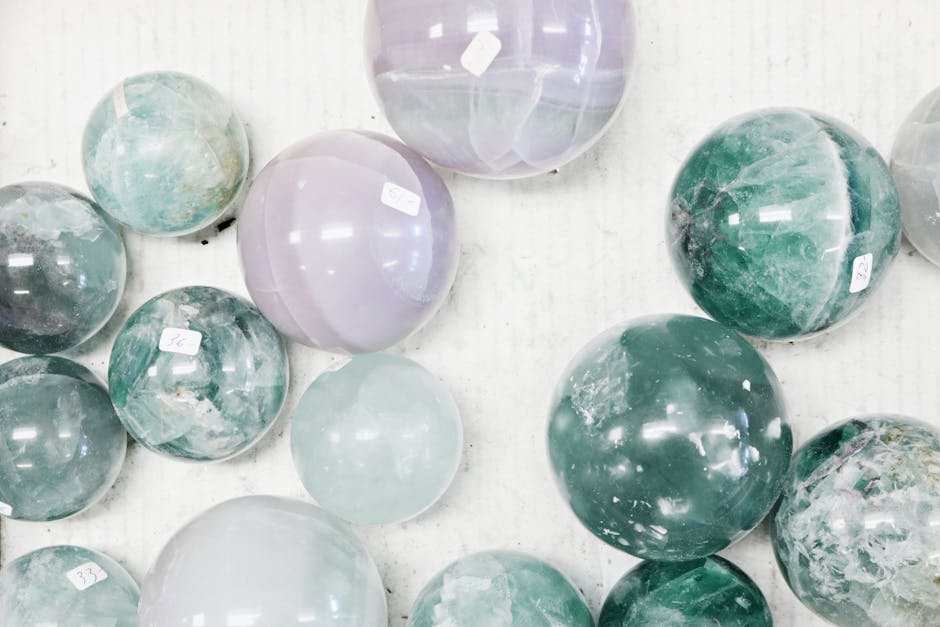
A crystal sphere is a stone carved into a perfect ball. The sphere is the practitioner-tradition shape for ambient energy work because it has no axis. Every direction is equal.
Energy direction: Radiating. The most evenly-distributed energy field of any shape.
Best for: Meditation. Scrying. Room-amplifier placement. Crystal-ball gazing for divination. Holding in the palms during seated practice.
Stone × shape example: A clear quartz sphere is the divination classic. An amethyst sphere on the meditation cushion supports calm and intuition. A black obsidian sphere is the practitioner pick for shadow-work scrying.
Practitioner placement tip: Spheres should never sit in direct sunlight on a windowsill. The curved surface acts as a lens and can scorch wood, fabric, or paper. Use a stand and place them in indirect light.
Crystal Pyramids: Amplify & Anchor Corners
Featured Pick: Natural Amethyst Crystal Pyramid

A natural Dream Amethyst crystal pyramid hand-cut from a single piece of amethyst stone. Pyramids are the practitioner-tradition amplifier shape: place one on your desk or altar to amplify intention, or set four small pyramids at the corners of a room for a protection grid. The amethyst variety adds crown-chakra calm and intuitive support, making this a workhorse pyramid for meditation, sleep, and spiritual practice.
View on Amazon →A crystal pyramid has a square base and four triangular sides converging at a single apex. The geometry creates a natural amplification field, with the apex acting as the focus point.
Energy direction: Amplifying. The apex projects upward; the base anchors the field into the surface it sits on.
Best for: Single placement on altar or desk for amplification. Four-corner room grids for protection and balanced energy flow. Chakra placement during meditation.
Stone × shape example: Black tourmaline pyramids at the four corners of a room is the practitioner-tradition protection grid. A clear quartz pyramid at the center of a manifestation grid amplifies the intention.
Practitioner placement tip: Handle pyramids carefully. The edges and apex chip easily compared to other shapes. Store them upright in a stable spot.
Crystal Clusters: Multi-Direction Amplifier
Featured Pick: Spirit Quartz Cluster

A Spirit Quartz cluster, also called Cactus Quartz, the rare clear-quartz family formation where a central crystal is encrusted with dozens of small sparkling secondary points. The practitioner-tradition multi-direction amplifier in its most natural form. Use as an altar centerpiece, a charging surface for smaller stones placed on top, or as a room amplifier in any space that needs more ambient energy.
Shop at Exquisite Crystals →A crystal cluster is a natural formation of multiple points growing together from a shared base. Each point projects its own energy, and the cluster as a whole creates an amplifying field.
Energy direction: Amplifying + radiating across multiple axes.
Best for: Charging other crystals (place smaller stones on the cluster overnight). Amplifying the energy of a room. Altar centerpieces with presence.
Stone × shape example: A clear quartz cluster is the cleansing-and-charging workhorse. An amethyst cluster on the nightstand radiates calm into the bedroom. A citrine cluster on the desk amplifies prosperity work.
Practitioner placement tip: Dust accumulates between the points. Cleanse with a soft brush or compressed air rather than water on raw clusters with mineral inclusions.
Crystal Cubes: Grounding & Structure
Featured Pick: Natural Pyrite Cube in Matrix

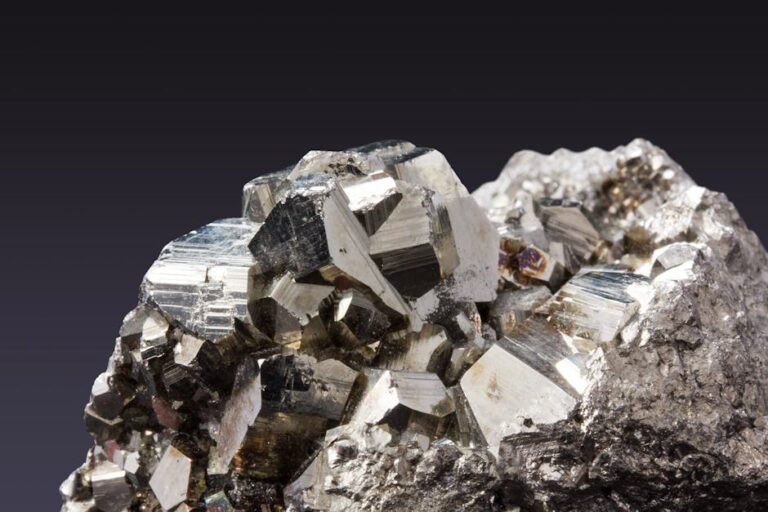
A natural pyrite cube in its host matrix, pyrite forms in nature in perfect six-sided cubes, which is exactly the geometry practitioners reach for when the work calls for grounding plus prosperity-attraction overlap. The matrix (host rock) provides the stable base and shows the cube’s natural formation rather than a carved-cube fake.
Shop at Energy Muse →A crystal cube is a stone carved into a perfect six-sided cube with equal faces. The geometry corresponds to the earth element in sacred-geometry traditions and feels stable in the hand.
Energy direction: Grounding. The cube does not project; it anchors.
Best for: Root-chakra placement during meditation. Pocket carry for steady all-day grounding. Pairing with directional shapes that need an anchor.
Stone × shape example: A black tourmaline cube is the practitioner pick for grounding plus protection. A smoky quartz cube on the desk holds the workspace steady through long days.
Practitioner placement tip: Cubes work especially well in palm-meditation. The shape sits steady in the hand and does not roll.
Crystal Hearts: Heart-Chakra Focus
Featured Pick: Golden Healer Quartz XL Heart

A Golden Healer Quartz XL heart, clear quartz with golden hematite/iron inclusions that tint the body amber to honey-gold. Golden Healer carries higher-vibration heart-chakra energy than standard rose quartz: rose works heart-and-self-love, golden healer works heart-and-spiritual-elevation. The XL size makes this a real altar piece, not a pocket heart.
Shop at Exquisite Crystals →A crystal heart is a stone carved into the heart shape. The form is mostly polished and feels smooth in the hand. Hearts are the gift-buyer favorite and the practitioner-tradition heart-chakra tool.
Energy direction: Focused. The heart shape channels the stone’s frequency into heart-centered work specifically.
Best for: Self-love practice. Partnership work. Grief work. Anything heart-chakra. Gift-giving.
Stone × shape example: A rose quartz heart is the partnership and self-love classic. An amethyst heart supports emotional healing. A green aventurine heart adds heart-chakra prosperity work.
Practitioner placement tip: Hearts are most powerful when held during emotional work, not just placed. The shape invites holding. Use it.
Tumbled Stones: Daily Carry
Featured Pick: Tugtupite Tumbled Stone (Rare Collector Tumble)

A Tugtupite tumbled stone, one of the rarest stones in the crystal kingdom, found almost exclusively in Greenland and Russia. Tugtupite fluoresces brilliantly under UV light and is practitioner-tradition for awakening dormant love, creativity, and emotional depth. A tumbled form means daily carry; a Tugtupite specifically means this is a collector’s daily carry, not a typical pocket stone.
Shop at Exquisite Crystals →A tumbled stone is a small, smooth, polished crystal that has been rolled in a tumbler until the edges are gentle and rounded. Tumbled stones are the most accessible crystal shape and the beginner-tradition entry point.
Energy direction: Grounding, gentle, low-axis.
Best for: Pocket carry. Pouch sets. Beginner crystal kits. Daily emotional support. Children’s crystal practice.
Stone × shape example: A tumbled rose quartz in the pocket for self-love days. A tumbled smoky quartz for stressful days. A tumbled amethyst tucked into a pillowcase for sleep.
Practitioner placement tip: Tumbled stones forgive a lot of practitioner inexperience. They will not break if dropped, do not need elaborate placement, and work in pockets and pouches without fuss.
Crystal Palm Stones: Hand-Held Practice
Featured Pick: Moonstone Palm Stone

A Moonstone palm stone with the classic adularescent blue-white shimmer across the surface. Moonstone is the practitioner-tradition feminine-cyclic stone, ideal for palm-stone meditation tied to lunar cycles, intuitive work, and emotional regulation. The palm-stone form sits perfectly in cupped hands during seated meditation.
Shop at Exquisite Crystals →A palm stone is a smooth, flat-ish, oval-to-rounded stone sized to fit the palm. Larger than a tumbled stone, smaller than a sphere. The practitioner-tradition daily-meditation tool.
Energy direction: Radiating, with the warm hand-contact adding direct body-energy exchange.
Best for: Daily meditation. Anxious-moment grounding. Pocket carry for working days. Anything you want to hold for sustained periods.
Stone × shape example: A smoky quartz palm stone for tech-heavy days. A rose quartz palm stone for emotional regulation. A clear quartz palm stone for clarity and decision-making.
Practitioner placement tip: If a practitioner could only have one crystal in one shape, almost every one would pick the palm stone. It does everything the other shapes do, just gentler.
Crystal Eggs: Inner-Body & Womb Work
Featured Pick: Amethyst Geode Egg (Premium)

An amethyst geode egg, natural amethyst crystals lining the inside of an egg-shaped geode formation. Eggs are the practitioner-tradition shape for inner-body and womb work, fertility practice, and cradling during emotional sessions. The amethyst-geode combination adds the calming and intuitive amethyst field, making this a meditation egg as much as a decor piece.
View on Amazon →A crystal egg is a stone carved into an oval, slightly tapered egg shape. The shape feels fertile and inward-pointing, which is the practitioner-tradition framing for inner-body work.
Energy direction: Focused inward + lightly grounding.
Best for: Womb work and fertility practice. Inner-body meditation. Sacral and root-chakra placement. Cradling during emotional work.
Stone × shape example: A rose quartz egg for fertility and creative-life work. A moonstone egg for cyclical body work. A bloodstone egg for grounded inner practice.
Practitioner placement tip: Hold the egg in cupped palms during seated meditation. The shape settles into the hands in a way that invites stillness.
Crystal Merkabas: Sacred Geometry & Light Body
Featured Pick: Shungite Merkaba (4″)

A 4-inch Shungite merkaba, two interlocked tetrahedra forming the eight-pointed star-tetrahedron geometry. Shungite is the practitioner-tradition stone for EMF protection and grounding, and the merkaba shape carries it into light-body and sacred-geometry work. The 4-inch size makes this a meditation-friendly hand-held piece, not just decor.
Shop at Exquisite Crystals →A merkaba is a star-tetrahedron, two interlocked triangular pyramids forming an eight-pointed three-dimensional star. The name breaks down to Mer (light), Ka (spirit), Ba (body). The shape is the practitioner-tradition tool for light-body and sacred-geometry work.
Energy direction: Sacred geometry. The shape carries multi-directional energy with an upward-and-downward pull (one tetrahedron points up, one points down).
Best for: Light-body activation. Advanced meditation. Sacred-geometry grids. Crown-chakra work that involves upper-dimensional practice.
Stone × shape example: A clear quartz merkaba for sacred-geometry grids. An amethyst merkaba for crown and third-eye work. A labradorite merkaba for energetic-shielding meditation.
Practitioner placement tip: Merkabas are advanced-practitioner shapes. Beginners who feel drawn to them are usually ready for the work. Trust the call.
Best Crystal Shape by Intention

Once you have the 5-category taxonomy, picking shape gets a lot less abstract. Start with what you want to do. The shape becomes intuitive. This is the practitioner reach-for guide.
For Manifestation: reach for a point or generator. The directional projection matches the work. Citrine point for prosperity, clear quartz point for any intention.
For Meditation: reach for a sphere or palm stone. Both radiate evenly and hold steady fields. Amethyst sphere for calm and intuition, rose quartz palm stone for emotional work.
For Scrying: reach for a sphere, ideally clear quartz or black obsidian. The radiating field and the smooth gazing surface match the practice.
For Grid Work: reach for a pyramid or generator at the center, surrounded by smaller towers, points, or tumbled stones. The amplifying centerpiece carries the intention through the supporting stones.
For Protection: reach for a cube, pyramid, or four-corner pyramid grid. Black tourmaline is the go-to stone. Smoky quartz is the close second.
For Love and Heart Work: reach for a heart. Rose quartz heart is the classic. Green aventurine heart for prosperity-overlap. Rhodonite heart for grief.
For Daily Carry: reach for a tumbled stone or small palm stone. Both pocket-friendly, both forgiving of practitioner inexperience.
For Cleansing Work: reach for a wand or tower. Selenite is the practitioner-tradition cleansing stone in either shape.
For Grounding: reach for a cube, egg, or tumbled stone. Smoky quartz cube, hematite egg, or any tumbled black stone in the pocket.
For Sacred Geometry / Light-Body Work: reach for a merkaba. The shape carries the practice.
How to Use a Crystal Wand
Featured Pick: Large Laser Quartz Wand (Practitioner Grade)

A Large Laser Quartz Wand, the practitioner-grade focused-energy wand. Laser quartz has a tapered, elongated body that concentrates the projected beam more tightly than a standard wand or vogel cut. Used in chakra-clearing healing layouts where the practitioner needs to direct a precise, focused stream of intention into a specific energy center. The large size makes this a serious tool for extended layout work, not a hand-decoration.
Shop at Exquisite Crystals →
A crystal wand is one of the most asked-about shapes on the SERP, and one of the most underexplained. Practitioners use wands every day. Most beginners aren’t sure where to start. Here’s the practitioner version.
How do you use a crystal wand? Hold the wand by the middle. Point the apex (pointed end) at a chakra, a part of the body, or a spot in a room where you want to project intention. Hold the rounded end against a chakra or hover it close when you want to pull heaviness out. Set a clear intention before starting. Move slowly. Notice what you feel.
The two ends are the practitioner-only nuance.
The pointed end transmits. Use it to project intention, amplify a chakra during healing work, or direct universal healing energy into the body. The traditional Reiki framing is that energy flows in through your crown, down your arm, into your hand, into the wand, and out through the point.
The rounded end receives. Use it to draw heaviness, stuck energy, or emotional weight OUT of a chakra or a body area. Hold it close to the spot, breathe steadily, and let the stone pull. Some practitioners flick the receptive end toward the floor afterward to release what was drawn.
Wand selection matters. A clear quartz wand is the all-purpose tool because clear quartz amplifies whatever intention you set. An amethyst wand suits crown-chakra and spiritual practice. A rose quartz wand works heart-chakra layouts. A selenite wand is the cleansing wand, used to clear other crystals and to sweep a person’s aura at the end of a session.
For a healing layout, lay your client (or yourself) face up. Place corresponding chakra crystals along the body. Use the wand to gently move energy from the root upward through each chakra, ending at the crown. Switch ends when you reach a chakra that feels stuck: pointed end to clear and project, rounded end to draw out the residue. Five to fifteen minutes is enough.
Practitioners who do healing layouts reach for wands first. The active end projects intention, the rounded end pulls heaviness out. A skilled practitioner uses both ends in a single session.
How to Use a Crystal Sphere
Featured Pick: Black Tourmaline in Fire Quartz Sphere (Collector)

A Black Tourmaline in Fire Quartz Sphere, a rare inclusion piece where black tourmaline crystals are embedded inside fire-orange quartz, all carved into a sphere. The combination is practitioner-tradition for protection (tourmaline) plus solar-plexus activation (fire quartz) plus the sphere’s radiating field. Use as a hand-held meditation piece for protection work or as a striking altar centerpiece. Collector-tier inclusion, not a standard sphere.
Shop at Exquisite Crystals →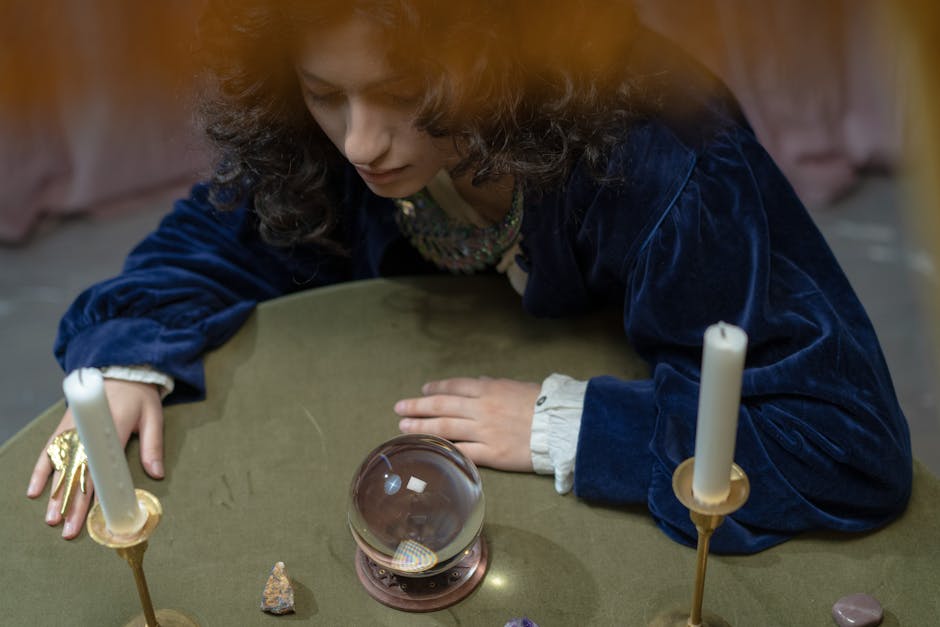
How do you use a crystal sphere? Hold the sphere in both palms during seated meditation, place it on a stand on your altar or desk as a room amplifier, or use it for scrying by gazing into the surface with soft eyes. Spheres radiate energy in every direction equally, which makes them the practitioner-tradition shape for ambient field work.
The simplest practice is holding. Sit upright, sphere cradled in both palms at the navel or heart, eyes closed, breath slow. The radiating field is steady and the weight of the stone keeps you anchored. Five to twenty minutes is the range. Sphere meditation goes deeper than most beginners expect, especially with a stone like amethyst, clear quartz, or labradorite.
Scrying is the second classic use. The practitioner-tradition framing is important here: this is not the Hollywood version where images appear in the sphere like a movie screen. Real scrying is subtle. You gaze with soft eyes, let your focus blur, and notice what arises in your mind or your peripheral vision. The sphere acts as a focal point for intuition, not a literal screen. Black obsidian and clear quartz are the traditional scrying stones.
Altar placement is the third use. A sphere on a stand at the center of an altar fills the entire space with the stone’s frequency. The size matters here. A small sphere (1 to 2 inches) is hand-friendly but does not radiate widely. A medium sphere (3 to 4 inches) covers a room. A larger sphere is a statement piece and a real room-amplifier.
Two cautions. First, never place a crystal sphere in direct sunlight on a windowsill. The curved surface acts as a magnifying lens and can scorch wood, fabric, or paper underneath. Use a stand and place spheres in indirect light. Second, spheres roll. A flat-bottomed stand or wooden ring keeps them stable.
How to Use a Crystal Pyramid
Featured Pick: Rose Quartz Pyramid (Collector Tier)

A collector-tier natural rose quartz pyramid hand-cut from a single block of natural rose quartz. Practitioners use rose quartz pyramids on heart-chakra altars, in bedroom four-corner grids for partnership work, or on the meditation cushion during self-love and emotional-healing practice. The pyramid form concentrates the rose quartz field upward through the apex while the wide base anchors it into the surface it sits on.
View on Amazon →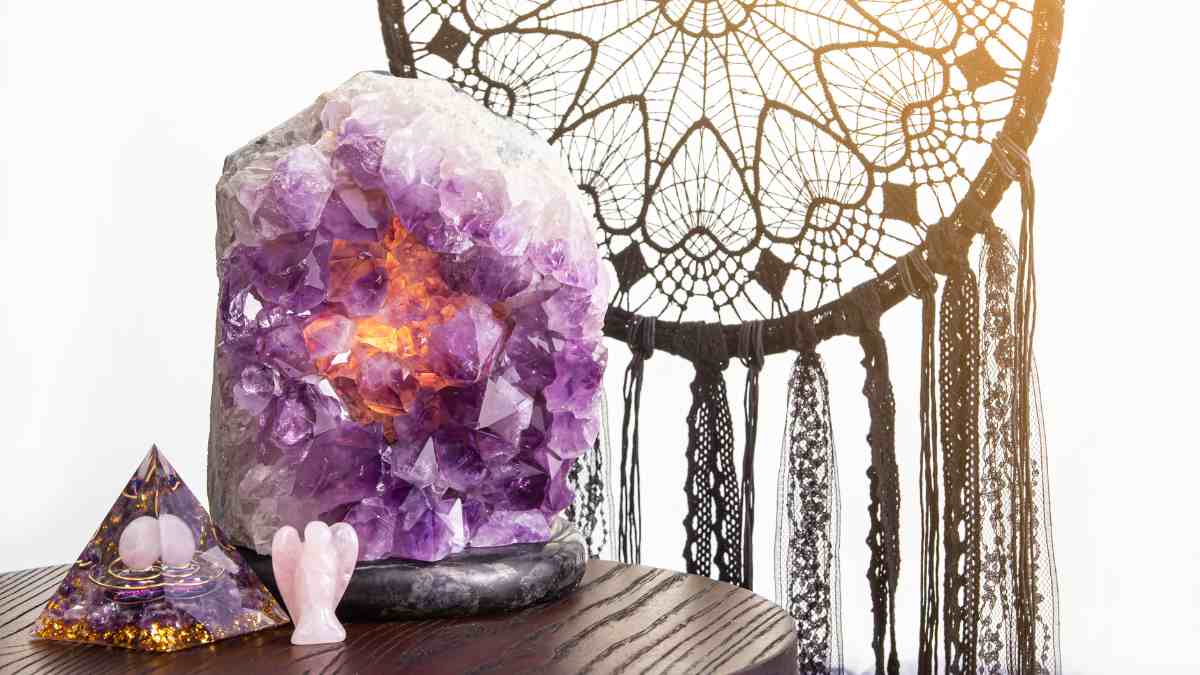
How do you use a crystal pyramid? Place a single pyramid on your desk or altar as an amplifier, set four small pyramids at the corners of a room for a protection grid, or use a pyramid during chakra meditation by placing it apex-up on or near the corresponding chakra. The square base anchors the energy into the surface; the apex projects upward.
The single-pyramid placement is the most common practitioner setup. A clear quartz pyramid at the center of a desk amplifies focus and clarity. An amethyst pyramid on the nightstand supports sleep and intuitive work. A black tourmaline pyramid near the front door anchors protection. The pyramid does the work passively; you do not need to actively interact with it.
The four-corner grid is the practitioner-tradition protection setup. Place a small pyramid (any size, from one-inch tumbled-pyramids up) at each of the four corners of a room. Black tourmaline is the standard stone for this work, with smoky quartz as the close second. The grid creates a protection field that surrounds the room. Set the intention when you place the pyramids; refresh the intention monthly or after heavy energy days.
Chakra meditation with pyramids is the third use. Lie face up. Place a corresponding pyramid on each chakra (red on root, orange on sacral, yellow on solar plexus, green on heart, blue on throat, indigo on third eye, violet or clear on crown). Breathe through each chakra in sequence. The apex-upward orientation lets each pyramid project its frequency into the chakra it sits on. Ten to fifteen minutes is enough.
A practical caution: pyramid edges and apexes chip more easily than rounded shapes. Handle with care, store upright on a stable surface, and avoid stacking them where they can knock against each other.
Natural vs Polished: Does Shape Affect the Energy?

This is the question that comes up most often in client work. Does carving a crystal into a sphere or a wand or a heart change its energy compared to the raw stone? Are polished pieces “less powerful” than natural specimens?
The honest practitioner answer: no, the stone’s intrinsic vibration does not change. A polished citrine heart carries the same citrine frequency as a raw citrine cluster. What the shape changes is the DIRECTION the energy moves. A raw cluster radiates from many points in many directions. A polished sphere radiates from one round form in all directions equally. A polished point projects in a single beam.
So the choice is not “stronger versus weaker.” The choice is “wildness versus focus.”
Raw clusters, freeforms, and unpolished specimens hold the stone in its found-state. Some practitioners prefer the wild energy of a natural formation, the sense that the stone has not been intervened with. Raw amethyst clusters and natural smoky quartz points are the practitioner-tradition picks for altar centerpieces precisely because of this quality.
Polished hearts, spheres, palm stones, pyramids, and towers shape the stone into a deliberate form. The polish does not dilute the vibration. It simply directs it. Practitioners who work with intention often prefer polished shapes because the directional clarity matches the work.
Don’t overthink natural versus polished. Pick the shape that matches the work you want to do. If you are drawn to a raw cluster, that is the right stone for you. If you are drawn to a polished sphere, that is the right stone for you. The vibration is the same. The form is the message.
Crystal Shape Care & Cleansing
Crystal shapes share most cleansing methods, with a few shape-specific cautions.
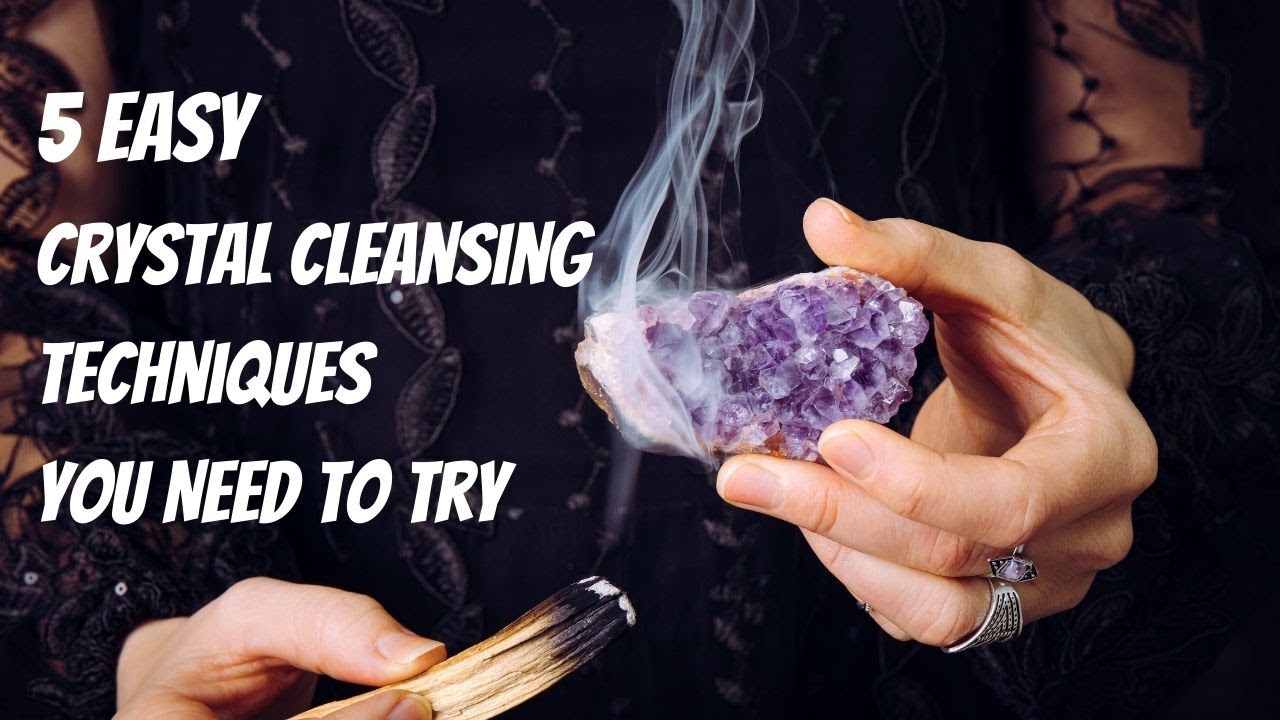
The universal methods work on most shapes: running water (only for hard stones like quartz, agate, jasper at Mohs 6 or higher), smoke cleansing (sage, palo santo, frankincense, cedar), sound (singing bowl, tuning fork, bell), moonlight (full moon overnight on a windowsill or outdoor surface), and earth burial (for deep cleansing after heavy use).
Shape-specific care notes:
Wands. Don’t drop them. Carved points chip easily and the wand’s narrow shape concentrates impact force on the apex. Store wands flat in a soft pouch or upright in a holder.
Spheres. Never place in direct sunlight on a windowsill. The curved surface acts as a magnifying lens and can scorch wood, fabric, or paper underneath. Use a stand and indirect light.
Pyramids. Edges and apex chip more easily than rounded shapes. Handle carefully and store upright on a stable surface.
Clusters. Dust accumulates between the points. Use a soft brush, compressed air, or a gentle blow rather than water on clusters with mineral inclusions that might dissolve. Calcite, selenite, and salt-based crystals especially should never be rinsed.
Selenite shapes (any). Selenite is water-soluble. Never rinse selenite under water, no matter the shape. Smoke, sound, and moonlight only.
Tumbled stones and palm stones. Most forgiving shapes. Tolerate water, smoke, sound, and earth without issue. Cleanse weekly during heavy use, monthly for casual carry.
For charging, moonlight and earth burial both charge as they cleanse. A clear quartz cluster or selenite plate also works as a charging surface for smaller shapes. Place the smaller crystal on top of the cluster or plate overnight.
Crystal Shapes FAQ
What is a crystal point?
A crystal point is a stone with a single pointed termination (the apex) and either a natural or cut base. Points project energy in a single direction through the apex, making them the practitioner-tradition shape for manifestation work, chakra clearing, and directing intention into a grid or layout.
What is a crystal tower?
A crystal tower is a polished, four-to-six-sided stone with a flat base and a tapered apex. Towers stand upright on their own and radiate energy upward and outward from the base, making them altar centerpieces, workspace amplifiers, and room-presence pieces.
What is the difference between a crystal point and a crystal tower?
A crystal point is usually a natural or minimally-cut stone with a single termination, often shorter, with a less-defined base. A crystal tower is a polished multi-sided form with a flat base and tapered apex that stands upright as a deliberate decorative-and-energetic piece. Points are more directional and personal-scale; towers are more present and room-scale.
What is a crystal sphere?
A crystal sphere is a stone carved into a perfect ball. Spheres have no axis, so they radiate energy equally in all directions, which makes them the practitioner-tradition shape for meditation, scrying, and ambient room-amplifier placement.
What is a crystal wand?
A crystal wand is an elongated, hand-held stone with one pointed end and one rounded end. Practitioners use wands in healing layouts and Reiki sessions: the pointed end projects intention or amplifies a chakra, the rounded end draws heaviness or stuck energy out of the body.
How do you use a crystal wand?
Hold the wand by the middle. Point the apex at a chakra, body part, or spot where you want to project intention. Hold the rounded end close to a spot when you want to pull heaviness out. Set a clear intention before starting. Move slowly. Five to fifteen minutes is enough for most healing-layout sessions.
How do you use a crystal pyramid?
Place a single pyramid on your desk or altar as an amplifier, set four small pyramids at the corners of a room for a protection grid, or use a pyramid apex-up on or near a chakra during meditation. Black tourmaline is the practitioner-tradition stone for protection grids; clear quartz is the standard for amplification.
What is the best crystal shape for meditation?
The best crystal shape for meditation is a sphere or a palm stone. Both radiate energy evenly and hold steady fields without requiring active interaction. Hold the stone in your palms during seated practice, or place it nearby on a stand. Amethyst and clear quartz are the most-recommended stones in either shape for beginner meditation.
Sources & References
Sources & References
- “Crystal Structure.” Wikipedia, The Free Encyclopedia, Wikimedia Foundation, en.wikipedia.org/wiki/Crystal_structure.
- “9 Crystal Shapes, Their Meanings and How to Use Them.” Energy Muse, energymuse.com/blogs/guides/crystal-shapes.
- “Crystal Shapes & Meanings: How to Choose the Right Crystal for Your Home.” Crystals.com, www.crystals.com/blogs/news/exploring-crystal-formation-shapes-and-meanings.
- “Crystal Points, Towers, and Obelisks: Meaning, Uses, and Healing.” Crystals and Reiki, crystalsandreiki.co.uk/blogs/crystal-shapes-and-uses/crystal-points-towers-obelisks.
- Bryki, Sara. “The Meaning and Uses of Crystal Towers and Points.” Sara Bryki, 29 Apr. 2022, www.sarabryki.com/blog/2022/4/29/the-meaning-and-uses-of-crystal-towers-and-points.
- “How to Use Crystal Wands: Massage, Raw, Wood, Aura, Generators.” Satin Crystals, www.satincrystals.com/pages/wand-tutorial.
- “Merkaba: Sacred Geometry, Spiritual Healing, & Meditations.” Tiny Rituals, tinyrituals.co/blogs/tiny-rituals/merkaba.
- Frazier, Karen. Crystals for Beginners: The Guide to Get Started with the Healing Power of Crystals. Althea Press, 2017, www.amazon.com/dp/1623159911.
- Hall, Cally. Gemstones: The Definitive Visual Guide. DK Publishing, 2002.
We may earn a commission from links on this page at no extra cost to you. This helps us keep CrystalsAlchemy running.
This article was originally published on