Sound Healing with Crystals: Singing Bowls, Tuning Forks & More
This is the guide I wish existed when I started. Everything you need to know — from core concepts to practical techniques — laid out clearly so you can start applying it to your own crystal practice right away.
Why Sound and Crystals Work Together (It’s Not Just Woo)
The first time I held a clear quartz crystal near a singing bowl mid-strike, I felt it vibrate. Not metaphorically — actually vibrate in my palm. That moment hooked me completely, and it’s what I want to explain to you today.
Here’s the physics behind sound healing crystals: quartz and many other stones have a property called piezoelectricity. When you apply mechanical pressure or vibration to them — like the pressure waves from sound — they generate a measurable electrical charge. This isn’t crystal-healer speculation. It’s the same property that makes quartz indispensable in watches, microphones, and sonar equipment. Sound waves are pressure waves. So when sound hits a crystal, something measurable actually happens at a molecular level.
What does that mean for healing work? A lot, actually. When you combine sound healing with crystals, you’re using two tools that interact with each other physically. The sound activates the crystal’s piezoelectric response. The crystal’s structure, in turn, shapes how those vibrations move through your space — and through you. Neither modality achieves this on its own.
I’ve been practicing crystal healing for over a decade, and adding sound work was the thing that made everything click into place. If you’ve tried crystals alone and felt “almost there,” sound might be the missing piece you’ve been looking for.
Crystal Singing Bowls for Sound Healing
If you’ve ever walked into a yoga studio and heard that sustained, shimmering tone filling the room — that’s a crystal singing bowl. And if you haven’t experienced one up close, you’re in for something remarkable. The vibration doesn’t just reach your ears. It reaches your chest, your hands, your whole body. It’s immersive in a way that’s genuinely hard to describe until you feel it.
Crystal singing bowls are the most accessible entry point into sound work with crystals, and they’re worth understanding before you invest in one.
Quartz Singing Bowls vs. Himalayan Singing Bowls
There are two main types you’ll encounter, and the difference matters more than most people realize.
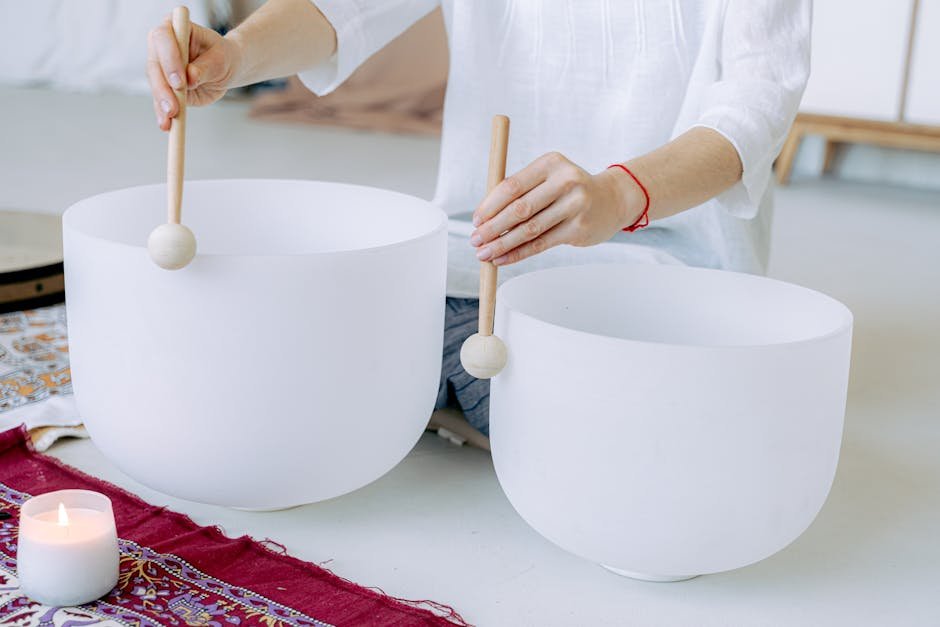
Crystal quartz singing bowls are made from crushed quartz spun at high temperatures into a bowl shape. They produce a pure, sustained tone that fills a room and resonates through your body in a way that feels almost cellular. Because quartz is the base material, the piezoelectric interaction I mentioned happens right in the bowl itself — the sound and crystal are literally one object. These are the frosted white bowls you’ve probably seen at wellness studios and meditation centers.
Himalayan singing bowls are traditional metal alloy bowls — historically cast from seven metals, each associated with a celestial body. They produce a warmer, more complex overtone with a richer harmonic bloom. Many practitioners find Himalayan bowls feel more grounding, which makes sense given their earthier, lower-register character. They’re also more durable and typically more affordable, making them a solid starting point if you’re not ready to commit to a quartz bowl.
| Feature | Crystal Quartz Bowl | Himalayan Metal Bowl |
|---|---|---|
| Material | Crushed quartz | 7-metal alloy |
| Tone Quality | Pure, bright, sustained | Warm, rich overtones |
| Piezoelectric Effect | Yes (quartz base) | Minimal |
| Best For | Energy work, chakra tuning | Grounding, deep meditation |
| Durability | Fragile — handle carefully | More durable, portable |
| Price Range | $80–$300+ | $30–$150 |
More recently, quartz bowls have been enhanced with other gemstones — manufacturers infuse rose quartz, amethyst, or black tourmaline into the bowl during production. I’ve worked with amethyst-infused bowls and the difference in tone character is genuinely noticeable. Whether that’s the crystal influence or just manufacturing variation, the experience feels distinctly different from a plain frosted bowl.
How to play a crystal singing bowl: Place it on a rubber ring — not your hand, which dampens the vibration. Strike gently with the mallet, then immediately begin circling the outside rim in slow, consistent strokes. Let the resonance build for 30–60 seconds. The goal is sustained resonance, not volume. Before you begin, place your supporting crystals inside the bowl or arranged around its base — they’ll receive the full vibration throughout your session.
Crystal Picks from Energy Muse
Hand-selected crystals chosen for quality and energetic potency — each one sourced with care.


Tuning Forks and Crystal Healing: Precision Sound Work
Tuning forks are criminally underrated in the crystal world. I think it’s because they look so clinical — like something from a doctor’s office. But they’re actually one of the most precise and personal sound healing tools you can use, especially when paired with crystals.
A tuning fork is struck and held near the body — or directly against a crystal — to transmit a specific frequency. Different forks are calibrated to different purposes: 528 Hz (sometimes called the love frequency, associated with cellular repair and heart opening), 432 Hz (considered more harmonically aligned with natural resonance than standard 440 Hz tuning), and the full Solfeggio scale, each tone associated with a different energy center in the body.
Here’s the technique I use most in my practice: strike the fork and immediately touch it to a large crystal point or selenite wand. You’ll feel the vibration transmit through the crystal into your hand — it’s undeniable. According to Sound Healing: Theory and Practice, sessions using BioSonic tuning forks alongside singing bowls showed genuine promise in inducing relaxed, mindful states — which matches exactly what I see in my practice.
For targeted work, try these pairings:
- 528 Hz fork + rose quartz for heart-centered emotional work and compassion
- 741 Hz fork + throat chakra stones like blue lace agate or aquamarine for voice, expression, and communication
- 396 Hz fork + black tourmaline for grounding and releasing fear-based energy patterns
- 963 Hz fork + clear quartz or amethyst for crown chakra work and expanded awareness
The beauty of tuning forks is portability. You can do targeted, intentional sound work anywhere — without hauling a fragile singing bowl. They’re especially useful for working on specific areas of the body or holding against individual crystals in a grid layout.

A standout selenite piece from Energy Muse — hand-selected for its energetic quality and connection to love & happiness. This is the kind of piece that anchors a collection and deepens your daily practice.
Shop at Energy Muse →The Best Crystals for Sound Healing Sessions
Not all crystals respond to sound the same way. High-silica stones — the quartz family — show the strongest piezoelectric response and are generally the most reactive. But the “best” crystal for your session really depends on what you’re working toward.
| Crystal | Best Frequency Pairing | Primary Role in Sound Work |
|---|---|---|
| Clear Quartz | Any/All frequencies | Amplification and clarity |
| Selenite | High frequencies | Sound conduction, space cleansing |
| Amethyst | Crown/Third Eye bowls | Deep calm, meditation deepening |
| Black Tourmaline | Low, grounding tones | Grounding, energetic protection |
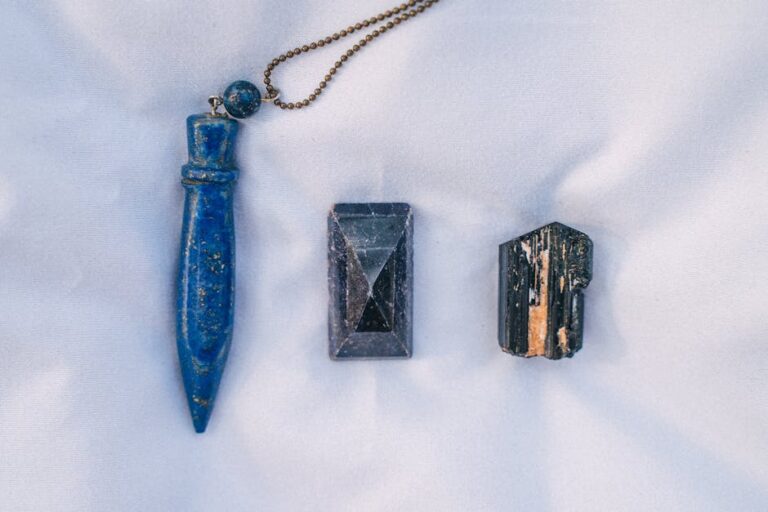
| Lapis Lazuli | Throat/Brow frequencies | Upper chakra activation |
| Citrine / Pyrite | High, energizing tones | Morning intentions, energy activation |
Clear Quartz is the default amplifier for sound work. It enhances whatever frequency you’re working with and doesn’t pull the energy in any particular direction — which is perfect when you’re still learning what you need. If you’re ever unsure what to reach for, this is your answer.
Selenite is incredibly receptive to vibration — it practically hums when you work near an active bowl. I use selenite wands as sound conductors in tuning fork work: press the base of a vibrating fork to one end and feel the energy travel the full length of the wand. After your session, selenite is also brilliant for energetically clearing any other crystals you used.
Amethyst is my go-to for any sound work focused on anxiety or sleep. The combination of amethyst’s calming resonance and the slow, sustained frequencies of a singing bowl creates a deeply restful state. If you’re trying to decide which stone works best for anxiety relief, I wrote a full breakdown of amethyst vs lepidolite for anxiety — it’s worth reading before you choose your sound healing companion.
Pyrite brings a completely different energy to the practice — activating rather than calming. I reach for pyrite in morning sessions when I’m using sound to set intentions and build momentum for the day rather than wind down for the night. It’s a surprisingly powerful pairing with high, bright bowl tones.
Healing Tools & Jewelry
Wearable crystal energy and healing tools — designed to keep your intentions close throughout the day.


How to Build Your Sound Healing Crystal Practice at Home
You don’t need a dedicated healing room or a $300 bowl to start. Here’s exactly how I’d guide a friend building their first practice from scratch — no overwhelm, just what actually matters.
Start with one tool. A single 6-inch frosted quartz bowl is enough — or a quality 432 Hz tuning fork if budget is a concern. Don’t let the idea of the perfect setup stop you from starting. The perfect setup you never use is worth less than the simple one you actually pick up.
Choose 2–3 supporting crystals. Clear quartz (amplifier), selenite (conductor), and one stone aligned with your current intention — amethyst for calm, black tourmaline for grounding, rose quartz for emotional work. Arrange them around your bowl before playing, or hold one in your non-dominant hand throughout the session.
Set the space intentionally. Dim the lights, sit comfortably, maybe light a candle. The small ritual signals to your nervous system that this time is different — that you’re shifting gears. Combining crystal meditation before or after a sound session deepens the whole experience significantly. Even five minutes of quiet sitting with your stones before playing makes a difference.
Play for 10–20 minutes. Research compiled at California State University Monterey Bay found that singing bowl sound healing showed measurable positive effects on mood and reported anxiety levels in participants. Even a 10-minute session counts — don’t let a tight schedule be the reason you skip it.
Ground after the session. Drink a full glass of water. Hold your black tourmaline or step outside barefoot for a few minutes. Sound work — especially high-frequency bowl work — can leave you feeling floaty or pleasantly unmoored, and grounding brings you back into your body fully before you move on with your day.
The most common mistake I see beginners make? Playing the bowl too hard. Sound healing is about resonance, not volume. Use less pressure than you think you need, go slower, and let the tone build at its own pace. When you hear that long, sustained hum hanging in the air after you lift the mallet — that’s exactly what you’re after.

A standout selenite piece from Energy Muse — hand-selected for its energetic quality and connection to healing. This is the kind of piece that anchors a collection and deepens your daily practice.
Shop at Energy Muse →More from Energy Muse
Additional healing crystals and tools to deepen your practice — each piece hand-selected for quality and intention.


Frequently Asked Questions
Do crystals actually respond to sound, or is that just a metaphysical belief?
There’s real physics behind it. Quartz crystals exhibit piezoelectricity — they generate a small electrical charge when mechanical pressure, including sound waves, is applied. This is well-documented science and is why quartz is used in everything from watches to microphones. What’s still developing is a full clinical picture of how that response contributes to healing outcomes in humans.
While the formal research is still catching up, practitioners consistently report that the combination of crystals and sound creates a noticeably deeper experience than either alone. The physics gives us a credible foundation — experience and ongoing research fill in the rest.
What’s the best crystal to use with a singing bowl for beginners?
Clear quartz is where I always start new clients. It’s a strong piezoelectric crystal, it amplifies whatever frequency you’re working with, and it doesn’t impose a specific directional energy — which is ideal when you’re still learning what you need from your practice. Place a clear quartz point inside your bowl before playing and notice how the tone seems to bloom.
Once you’re comfortable, add selenite as your second crystal — it conducts sound vibration beautifully and helps clear any accumulated energy from your space and your other stones after the session.
Can I use tuning forks directly on crystals?
Yes — and honestly, this is one of my favorite techniques in sound healing work. Strike the tuning fork and press the base of the handle against a crystal point or selenite wand. You’ll feel the vibration transmit through the crystal immediately — it’s physically undeniable and makes a beautiful entry point for targeted frequency work on specific intentions or chakras.
Just be gentle with softer stones like selenite and celestite, which can chip under direct pressure. Quartz points and harder stones handle direct contact much better and are ideal for this technique.
How often should I do sound healing with my crystals?
There’s no strict rule, but I recommend starting with 2–3 sessions per week and paying attention to how your body responds. Some people find that short daily morning sessions — even just 10 minutes — dramatically shift their mood and focus for the day. Others prefer one longer, deeper weekly session for more intentional work. Let your body guide the frequency, not a schedule.
One practical note: sound work is also a wonderful way to regularly cleanse the crystals you use most. A few minutes near an active singing bowl clears accumulated energy from stones in your everyday rotation without needing salt, moonlight, or any other cleansing method.
Where can I buy quality crystal singing bowls and tuning forks?
For singing bowls, I always recommend buying from a place where you can hear — and ideally feel — the bowl before purchasing. Tone quality varies significantly even within the same size and material, and a dull or buzzy tone is a sign of poor quality regardless of price. Local metaphysical shops, sound healing studios, and established wellness retailers are all good options. Listen for a clear, sustained ring that holds for several seconds after you strike it.
For tuning forks, BioSonic and Ohm Therapeutics are two brands with strong reputations in the sound healing community. Avoid very cheap generic kits — calibration accuracy genuinely matters when you’re working with specific therapeutic frequencies like the Solfeggio scale or 432 Hz.
Sources & References
Crystal Healing Audiobooks
Listen to audiobooks on crystal healing, meditation, and spiritual growth. Start your free Audible trial today.
We may earn a commission from links on this page at no extra cost to you. This helps us keep CrystalsAlchemy running.
This article was originally published on