Toxic Crystals: The Complete Safety Guide for Collectors
Toxic Crystals — done right — changes everything about your crystal practice. This guide walks you through the exact process step by step, from preparation to integration, so you get real results instead of just going through the motions.
When Your Crystal Cabinet Contains Arsenic
Let me tell you something that stopped me cold the first time I learned it. That gorgeous deep-red crystal glowing in the display case at my local gem show? It was realgar — and realgar is essentially crystallized arsenic. Not metaphorically. Literally arsenic sulfide, one of the most toxic substances on earth.
I’m not saying this to scare you away from collecting. I’ve been working with toxic crystals and safe minerals alike for over a decade, and I still have realgar in my collection. But it lives in a sealed acrylic box, I never handle it bare-handed, and I absolutely do not make elixirs with it. Knowing which dangerous crystals exist — and exactly how to handle them — is just part of being a responsible collector.
Some of the most breathtaking minerals on Earth carry genuine chemical hazards. Cinnabar’s brilliant scarlet comes from mercury sulfide. Galena’s mirror-like sheen? That’s lead. Stibnite’s dramatic metallic needles? Antimony. These aren’t “handle with vague care” stones — they require real, specific precautions.
This guide walks you through everything: the highest-risk crystals to know, the moderately risky copper minerals, why elixirs deserve extra scrutiny, and the simple habits that let you enjoy even a diverse specimen collection without putting yourself at risk. Whether you’re a seasoned collector or just discovering crystal healing and meditation, this is genuinely important information.
The Most Toxic Crystals Every Collector Should Know
Not all hazardous minerals are created equal. Some require serious caution — these are the ones I classify as high-risk for regular handling. Let’s go through each one:
Realgar (arsenic sulfide, As₄S₄) is probably the most dangerous crystal routinely sold at gem fairs and online shops. Its fiery orange-red color is undeniably striking, but arsenic exposure — even through skin contact over time — is no joke. There’s another layer of risk most people don’t know: realgar degrades in sunlight, converting to an even more toxic powdery form called pararealgar. Never display it in direct sun, and always use gloves when handling.
Cinnabar (mercury sulfide, HgS) has captivated people for thousands of years — ancient alchemists were obsessed with it, and you can read about that fascinating history in the context of alchemy and crystal healing. But mercury is a potent neurotoxin. While mercury sulfide is less bioavailable than elemental mercury, you still shouldn’t handle cinnabar with bare hands or keep it anywhere near where you prepare food.
Galena (lead sulfide, PbS) is one of the most common collectible minerals containing a genuinely dangerous heavy metal. Its perfect cubic cleavage makes it a display favorite — and also makes it easy to scratch, releasing lead particles. Always wash hands after handling, and keep it completely away from children and pets.
Stibnite (antimony sulfide, Sb₂S₃) forms those incredible metallic needle clusters that look almost otherworldly. Antimony toxicity can cause respiratory issues and skin irritation with repeated exposure. Handle these specimens minimally, store them in closed containers, and please — wash your hands every single time.
Crystal Picks from Energy Muse
Hand-selected crystals chosen for quality and energetic potency — each one sourced with care.


| Crystal | Toxic Compound | Risk Level | Safe in Water? | Handling Guidance |
|---|---|---|---|---|
| Realgar | Arsenic sulfide | High | Never | Gloves + sealed storage |
| Cinnabar | Mercury sulfide | High | Never | Gloves + avoid dust |
| Galena | Lead sulfide | High | Never | Wash hands after every touch |
| Stibnite | Antimony sulfide | High | Never | Minimal handling, closed case |
| Malachite (raw) | Copper carbonate | Moderate | Never | Dust mask when polishing |
| Azurite | Copper carbonate | Moderate | Never | Avoid dust, wash hands |
| Chrysocolla | Copper silicate | Moderate | Never | Wash hands after handling |
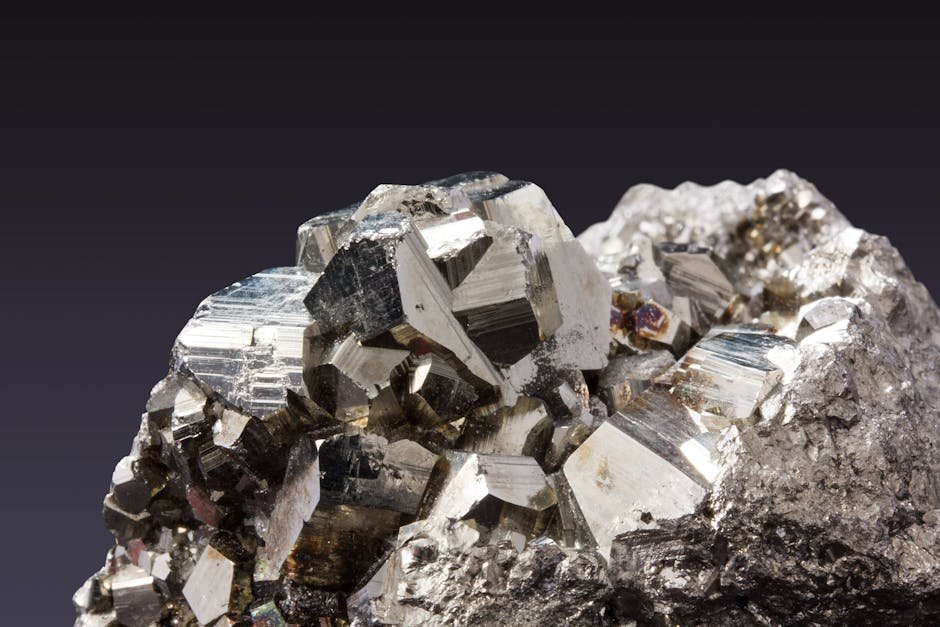
| Pyrite | Iron sulfide | Low-Moderate | Avoid | Generally safe, avoid water |
The Copper Crystal Caution Zone
Here’s where it gets more nuanced — and where I see a lot of well-meaning crystal enthusiasts make honest mistakes. The copper-based minerals are stunningly beautiful, deeply beloved in healing communities, and they sit in a middle ground that’s worth understanding clearly.
Malachite is the one I get asked about most often. That rich, banded green is everywhere — jewelry, tumbled stones, raw specimens, home décor. In its tumbled, polished form, malachite is generally considered safe to hold and wear. The real concern is raw malachite, especially when it’s being cut, sanded, or ground. Malachite dust contains copper carbonate, which is harmful when inhaled. If you’re working with any raw malachite — cleaning a dusty specimen, doing your own polishing — wear an N95 mask. The same rule applies to azurite, which is frequently found alongside malachite in the same formations.
Chrysocolla’s electric blue-green color makes it one of the most visually arresting stones in any collection. Holding a polished piece is fine, but I still wash my hands after extended handling, and I never use it in water preparations. Extended skin contact with raw specimens deserves the same thoughtfulness.
Turquoise — yes, the beloved classic — also contains copper, sometimes alongside aluminum. Wearing turquoise jewelry is generally considered safe, since copper absorption through intact skin is minimal. That said, like all copper minerals, it should never go in your drinking water. If you love wearing crystal pieces daily, my guide to the best crystals to wear every day breaks down which stones are genuinely worry-free for skin contact — very helpful for building a practical everyday collection.
The copper minerals occupy a real middle ground. They’re usable, wearable, and wonderful — they just ask for a little more awareness than clear quartz or amethyst.

A standout malachite piece from Energy Muse — hand-selected for its energetic quality and connection to health & wellness. This is the kind of piece that anchors a collection and deepens your daily practice.
Shop at Energy Muse →Crystal Elixirs and Toxic Crystals: The Water Problem
If there’s one area of crystal safety where the stakes get genuinely high, it’s elixirs — water charged by placing crystals directly in it. I make elixirs and love them. But I’m extremely deliberate about what goes in my water, because the issue here isn’t abstract: it’s chemistry.
Some crystals are water-soluble and will simply dissolve. Others will leach toxic compounds — arsenic, mercury, lead, copper — into water even in trace amounts. Here’s how I break it down:
- Never put these in drinking water: Realgar, cinnabar, galena, stibnite, malachite, azurite, chrysocolla, turquoise, chalcopyrite, or any crystal containing arsenic, mercury, lead, antimony, or high copper content.
- Water-soluble (will dissolve or degrade, not toxic but damaged): Selenite, halite, desert rose, gypsum. These won’t poison you, but they’ll cloud or dissolve in water. For a closer look at selenite’s properties, my clear quartz vs selenite comparison covers what makes it so unique — and why it needs special care.
- Generally safe for direct water contact: Clear quartz, amethyst, rose quartz, citrine (natural, not heat-treated), black tourmaline, and smoky quartz. These are my regular elixir stones.
The safest method for any crystal you’re unsure about is the indirect approach: seal the crystal in a small glass vessel, then place that inside your larger water container. You get the energetic intention without any chemical contact. I genuinely recommend this for anyone building an elixir practice — it works beautifully and removes all uncertainty. I also want to flag pyrite specifically: it won’t harm you through skin contact, but in water it slowly oxidizes and can produce trace sulfuric acid. Not something you want in your morning ritual.
Healing Tools & Jewelry
Wearable crystal energy and healing tools — designed to keep your intentions close throughout the day.


Safe Handling Rules That Actually Protect You
Let’s get practical. These aren’t theoretical precautions — they’re the habits I’ve built into my own routine, and they make a real difference.
- Wash your hands after every handling session. This is the single most important rule on this list. It doesn’t matter if you’ve been working with galena or sorting through amethyst tumbles — wash before touching your face, eating, or interacting with children or pets. Get into the habit and make it automatic.
- Use gloves for high-risk specimens. Keep a box of nitrile gloves near your display for realgar, cinnabar, galena, and stibnite. It takes ten seconds and meaningfully reduces your cumulative exposure over time. Latex works too, but nitrile is more chemical-resistant.
- Wear a dust mask when working with any toxic mineral. If you’re cutting, polishing, cleaning, or doing anything that creates dust from malachite, azurite, or any of the sulfide minerals, please wear an N95 or better. Most exposure risks come from inhalation, not skin contact.
- Store high-risk specimens in sealed containers. A clear acrylic display box keeps dangerous crystals beautiful and visible while containing any dust or degradation products. Label them clearly — anyone else who handles your collection should know what they’re dealing with.
- Keep toxic minerals away from children and pets. Realgar and galena look visually fascinating. A curious child or cat doesn’t know the difference between a display piece and a toy. This isn’t a hypothetical risk — it’s a real one.
- Never eat, drink, or touch your face while handling any crystal. Basic chemistry lab etiquette applies here. Make it a rule you don’t break, even with the stones you consider safe.
Following these habits consistently, even the high-risk crystals are manageable in a home collection. I’ve worked with a wide range of minerals for years without incident. Knowledge and simple precautions are genuinely all it takes.

A standout malachite piece from Energy Muse — hand-selected for its energetic quality and connection to healing. This is the kind of piece that anchors a collection and deepens your daily practice.
Shop at Energy Muse →Collecting Toxic Crystals: Yes, You Can Do It Safely
Here’s my honest perspective after years in this field: the risk from toxic crystals is real, but entirely within your control. These minerals have been collected, studied, and displayed for centuries. The difference between a problem and no problem is almost always information — exactly what you now have.
If the high-risk category feels like too much to manage right now, there are genuinely stunning safe alternatives for every dangerous stone. Instead of cinnabar, consider red jasper or carnelian — rich reds, zero mercury. Instead of galena for that metallic luster, try hematite. For the grounding energy people often seek from heavy sulfide minerals, smoky quartz delivers beautifully with no handling precautions required.
If you’re building your collection primarily for healing work, start with the vast range of completely safe stones that support emotional healing, meditation, and energetic practice. There are hundreds of powerful options that carry zero chemical risk. Build your foundation there, then add specialty specimens — the realgar, the cinnabar, the galena — with the care and knowledge they deserve.
The crystal world is genuinely magical, and part of that magic is understanding what you’re actually working with. As The Healing Crystals First Aid Manual rightly notes, safety and healing aren’t in opposition — true healing always starts with taking care of yourself. Knowing your stones’ chemistry, handling them correctly, and passing that knowledge on to fellow collectors? That’s part of the practice too.
More from Energy Muse
Additional healing crystals and tools to deepen your practice — each piece hand-selected for quality and intention.


Frequently Asked Questions
Can toxic crystals make you sick just from being displayed in your home?
For most toxic crystals in stable, undisturbed display conditions, the passive risk from simply having them on a shelf is quite low. The real danger comes from direct skin contact, dust inhalation during handling, or placing them in water. Keep high-risk specimens like realgar and cinnabar in sealed display cases, away from high-traffic areas where they might get bumped or handled, and you significantly reduce any meaningful exposure risk.
Is it safe to wear malachite or turquoise jewelry?
Generally yes — finished, polished malachite and turquoise jewelry is considered safe for regular wear, since the polished surface creates a barrier and copper absorption through intact skin is minimal. The main precaution is to remove copper mineral jewelry before swimming in chlorinated pools, using household cleaning products, or applying lotions and perfumes, as these can degrade the surface seal over time and increase potential exposure.
How do I identify whether a crystal I own is actually toxic?
Start with color and mineral name: brilliant reds and oranges often signal arsenic or mercury sulfides, metallic lead-grey tones may indicate galena or stibnite, and vivid greens and blues frequently come from copper content. When you’re unsure, a reputable mineralogy database like Mindat.org can confirm any crystal’s chemical composition by species name. When in doubt, handle with gloves and wash hands thoroughly — there’s no downside to extra caution.
Are all crystal elixirs dangerous, or only ones made with toxic stones?
Plenty of crystal elixirs are perfectly safe — clear quartz, amethyst, and rose quartz are among the most popular elixir stones and are generally considered safe for direct water contact. The risk is specific to crystals containing heavy metals like lead, mercury, arsenic, or antimony, and high-copper minerals like malachite and chrysocolla. If you ever have any doubt about a particular stone, use the indirect method: seal the crystal in a small glass vessel placed inside your water container — no chemical contact, same intention.
Where can I buy crystals and trust that they’re accurately identified?
Reputable crystal shops — both local metaphysical stores and established specialty online retailers — are your best starting point, especially those that use proper mineral names and can answer direct questions about a stone’s composition. Gem and mineral shows are also excellent, where you can speak directly with vendors who are passionate about accurate identification and provenance. The key signal to look for is a seller who uses specific mineral names rather than only poetic trade names, and who welcomes questions about what they’re selling.
Sources & References
We may earn a commission from links on this page at no extra cost to you. This helps us keep CrystalsAlchemy running.
This article was originally published on