November Birthstone: Topaz & Citrine Meaning & Gift Guide
Your November birthstone carries more meaning than most people realize. Beyond its beauty, it holds specific healing properties tied to your birth energy. This guide covers the history, metaphysical properties, and best ways to work with your birthstone.
Why November Has Two Birthstones — and What That Means for You
Here’s something most November babies don’t know: the november birthstone is actually two stones. Topaz and citrine. And the reason they share the spotlight? One was so exclusive that Russian czars made it illegal for anyone outside the royal family to own it. The other was the everyday talisman of Renaissance merchants who tucked it into their cash registers to attract wealth and ward off bad luck.

Two completely different histories. Two completely different energies. And honestly, knowing which one resonates with you says something real about where you are right now.
Whether you’re a November birthday yourself, shopping for someone who is, or simply curious about these two remarkable stones — I’m going to walk you through everything: their history, what they actually do, and how to choose between them.
Imperial Topaz: The Stone That Once Belonged Only to Czars
The first time I held a piece of imperial topaz, I understood immediately why someone would want to keep it for themselves. It has this warm, peachy-gold glow that looks like captured sunlight — I can absolutely see why 19th-century Russian royalty hoarded it.
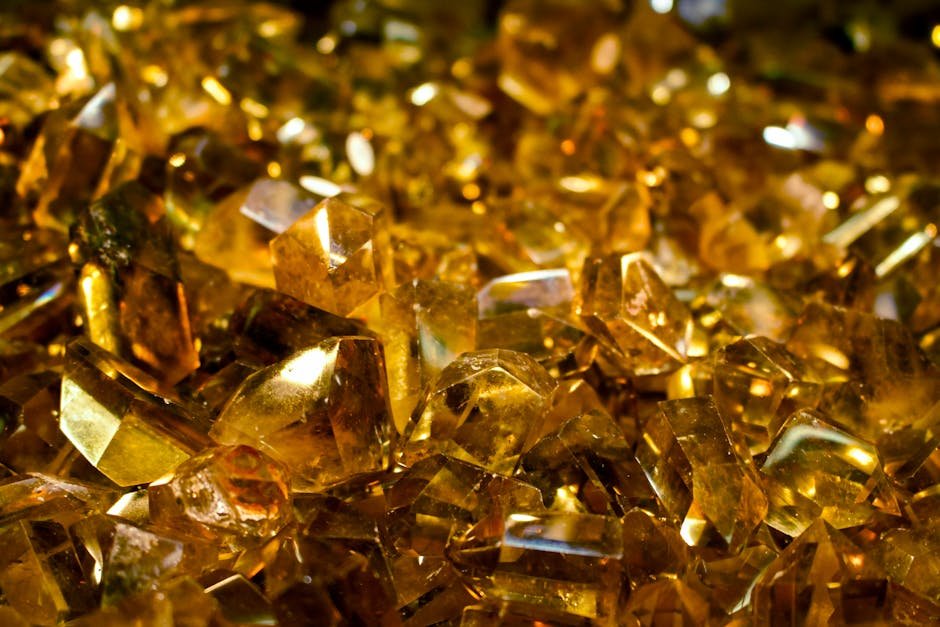
Imperial topaz gets its name directly from that history. The prized golden-orange variety was reserved exclusively for the Czar’s household, and possessing it without royal permission carried real consequences. The word “topaz” itself likely traces to the Sanskrit tapas, meaning fire or heat — perfectly fitting for a stone that seems to radiate warmth from within. With a Mohs hardness of 8, it’s one of the more durable gemstones, which is part of why it has survived as a jewelry staple for centuries.
Topaz comes in a striking range of varieties beyond the imperial form:
- Imperial/Golden Topaz: The rarest and most historically prized. Warm peachy-orange to golden, strongly connected to personal power, abundance, and solar energy.
- Blue Topaz: The most widely available variety today. Linked to clear communication, mental calm, and honest expression — a wonderful stone for writers and speakers.
- White/Clear Topaz: A high-vibration stone associated with truth, clarity, and spiritual awareness.
In my practice, I reach for golden topaz when clients are wrestling with self-doubt or imposter syndrome. There’s a focused, solar quality to it — deeply tied to the solar plexus chakra, which governs your sense of personal will and confidence. It doesn’t promise overnight transformation. What it does is support you in showing up more fully, more present, more grounded in your own worth. I’ve worked with this stone for years and it consistently delivers exactly that.
Topaz also carries a long tradition as a protective stone for travel. If you’re building a collection of crystals to keep in your car, a tumbled golden topaz is a meaningful and beautiful choice — its grounding warmth is ideal for the road.
Birthstone Picks from Energy Muse
Curated birthstone pieces chosen for their energetic quality and beauty — perfect for personal use or gifting.


Citrine Birthstone: The Merchant Stone That Fueled the Renaissance
Picture a 15th-century marketplace in Florence. Merchants, money changers, traders moving fast between stalls — all of them chasing one thing: prosperity. Almost all of them kept something close: a piece of citrine. They called it the merchant’s stone. It went into cash boxes, was worn as amulets, placed on counting tables. Not because it was fashionable — because they genuinely believed it worked.

Five centuries later, I still recommend it to every client working on financial goals or starting something new. Some things earn their reputation across the centuries.
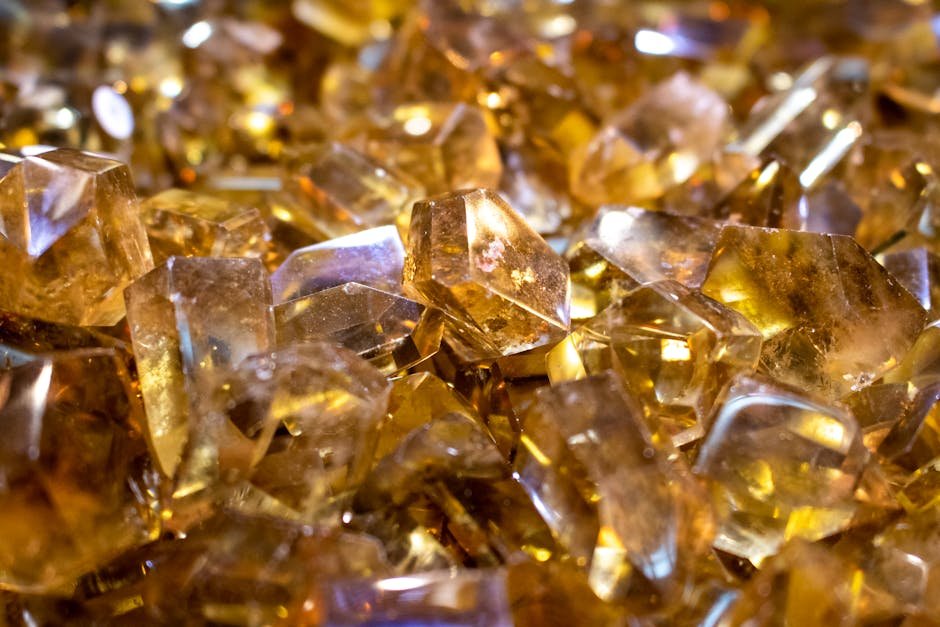
Citrine is a variety of quartz — its yellow-to-amber color comes from iron impurities within the crystal structure. Here’s something worth knowing before you buy: most citrine sold today is actually heat-treated amethyst that turns golden-orange when fired at high temperatures. As noted in Crystals for Beginners, you’ll find two types on the market: natural citrine (pale, smoky yellow — quite rare) and heat-treated (deep orange, very common). Both have their uses, but natural citrine carries a softer, more translucent energy that many practitioners, myself included, prefer for intentional work.
As for what citrine actually does? Crystal Healing for Women describes it as a stone of personal power — one that activates your connection to abundance and helps you step fully into your role as a conscious creator of your own life. Bold? Yes. But I’ve seen it play out in practice, again and again.
Where citrine genuinely shines:
- Manifesting financial goals and attracting new opportunities
- Boosting motivation on low-energy or stuck days
- Clearing mental fog and decision fatigue
- Activating creative energy and inspired action
- Warming and opening the solar plexus and sacral chakras
One more thing I love about citrine: it’s traditionally considered self-cleansing, said to transmute rather than absorb negative energy. If you’re new to crystal work and want a low-maintenance stone to start with, this is it. And when you’re ready to take your practice further, learning how to use crystals for manifestation pairs beautifully with citrine energy.

A standout citrine piece from Energy Muse — hand-selected for its energetic quality and connection to health & wellness. This is the kind of piece that anchors a collection and deepens your daily practice.
Shop at Energy Muse →Topaz vs. Citrine: Which November Birthstone Calls to You?
The most common question I get from November birthdays: which one is mine? Technically, both. But if you’re choosing between them — or choosing a gift — here’s a clear breakdown.
| Feature | Imperial/Golden Topaz | Citrine |
|---|---|---|
| Core Energy | Focused, regal, purposeful | Warm, magnetic, abundant |
| Best For | Confidence, clarity, protection | Abundance, creativity, motivation |
| Chakra | Solar plexus (blue: throat) | Solar plexus, sacral |
| Mohs Hardness | 8 | 7 |
| Price Range | Moderate to premium | Affordable to moderate |
| Natural Availability | Moderate (imperial is rarer) | Rare; most sold is heat-treated |
| Best Use | Jewelry, meditation, travel | Workspace, manifestation, gifting |
Here’s how I frame it for clients: if you need more focus and direction right now, topaz is your stone. If you need more warmth and openness — a shift toward what’s possible — citrine is calling you. Both connect to the solar plexus, both support personal power. They’re just different flavors of the same fundamental energy.
And if you’re drawn to both? Working with them together is genuinely powerful, especially alongside other crystals for self-love that strengthen your inner foundation while you reach toward bigger goals.
Healing Tools & Jewelry
Wearable crystal energy and healing tools — designed to keep your intentions close throughout the day.


How to Use Your November Birth Crystal (A Practical Guide)
Having the crystal is step one. Knowing what to actually do with it is where most people get stuck. Here’s what I recommend — no fluff, just what works.

Working with topaz:
- Before high-stakes moments: Hold a tumbled golden topaz at your solar plexus for two to three minutes before a job interview, presentation, or difficult conversation. Breathe slowly and visualize warm golden light radiating outward from your center. The combination of focused intention and grounding energy is more effective than it sounds.
- At your desk: A blue topaz point near your monitor supports clear communication and focused thinking — especially useful during heavy writing days or before any conversation where you need to express yourself precisely.
- As everyday jewelry: Topaz’s Mohs 8 hardness makes it durable enough for daily rings and pendants. Consistent contact throughout the day allows the stone’s energy to build naturally over time.
Working with citrine:
- In your workspace: Place a citrine cluster or point in the far-left corner of your desk — the traditional feng shui wealth corner. Even if you’re skeptical of feng shui, the visual anchor for your intentions has real value.
- During manifestation sessions: Before journaling or visualization work, warm a citrine tumble in your palms and state your intention out loud. Citrine responds to the energy you bring — the more specific and genuine, the better.
- In your bedroom: A small citrine tumble on your nightstand supports positive energy first thing in the morning. For a full guide to crystal placement at home, my post on crystals for the bedroom walks through it all.
If you’re completely new to this, my guide to crystal therapy basics covers cleansing, charging, and setting intentions — the foundation that makes everything else work better. Start there and the rest falls into place.
November Birthstone Gift Guide: What to Actually Buy
November birthdays are genuinely one of the easiest to shop for — both topaz and citrine come in beautiful forms across nearly every price point. Here’s how to match the gift to the person.

For someone new to crystals: Start with a tumbled citrine. It’s affordable, durable (no sharp points to worry about), and easy to carry in a pocket or bag. Pair it with a small handwritten card explaining the merchant stone legend — you’ve turned a $10 gift into something with a real story behind it. That personal touch is always the move.
For the jewelry lover: Blue topaz in sterling silver settings is widely available and genuinely stunning at accessible price points. If you want to go premium, a golden or imperial topaz pendant has a warmth that photographs beautifully and holds real gemstone value — that’s heirloom territory.
For the crystal enthusiast: Look for natural citrine — you’ll recognize it by its pale, smoky-yellow color (not the bright burnt-orange of heat-treated stones). They’ll know the difference immediately, and they’ll appreciate that you did your research. A natural citrine point or raw cluster is a meaningful step up from the standard gift.
For the person who has everything: A high-quality imperial topaz piece — pendant, ring, or raw mineral specimen — is genuinely special. It carries history, rarity, and beauty in equal measure. For more gift ideas across every budget and relationship, my crystal gift guide has dozens of thoughtful options worth exploring.
More from Energy Muse
Additional healing crystals and tools to deepen your practice — each piece hand-selected for quality and intention.


Frequently Asked Questions
What is the birthstone for November?
November has two official birthstones: topaz and citrine. Topaz has been linked to November since the Middle Ages, while citrine was formally added as an alternative in 1952 by the American Gem Society, partly to offer a more accessible price point. Both are legitimate and beautiful choices — being born in November means you get to claim both.
What is the difference between topaz and citrine?
Topaz and citrine are completely different minerals. Topaz is an aluminum silicate with a Mohs hardness of 8, while citrine is a variety of quartz with a hardness of 7. Energetically, topaz is associated with focused confidence, mental clarity, and protection, while citrine is the merchant’s stone — connected to abundance, creativity, and personal power. They can absolutely be used and worn together.
What color is the November birthstone?
The traditional November birthstone color is golden yellow, which both stones express beautifully. Imperial topaz ranges from warm golden to peachy-orange (the most historically prized shade), while citrine spans pale lemon yellow to deep honey amber. Blue topaz is a popular modern variant for November jewelry, but if you’re going for the classic November look, anything in the golden-yellow-to-orange family is exactly right.
Can you wear topaz and citrine together?
Absolutely — and I love this combination. Both stones connect to the solar plexus chakra, sharing a core theme of personal empowerment, but they bring complementary energies: topaz offers structure and focus while citrine brings warmth and expansive abundance. Together they create a beautifully balanced november birth crystal pairing. Try a topaz ring with a citrine pendant, or display both together on your desk or altar.
Where can I buy genuine November birthstone jewelry and crystals?
For crystals, look for reputable metaphysical shops — local or online — where staff can tell you the stone’s origin and whether citrine is natural or heat-treated amethyst. For topaz jewelry, independent gemstone dealers and certified jewelers are your best bet for confirming you’re getting natural stones. The best indicator of a trustworthy seller? They welcome your questions and can answer them specifically and confidently.
Sources & References
We may earn a commission from links on this page at no extra cost to you. This helps us keep CrystalsAlchemy running.
This article was originally published on