Which Crystals Can Go in Water? Complete Safe & Unsafe List
Some crystals thrive in water. Others dissolve, rust, or release toxins into it. Over 30% of popular healing crystals are unsafe for water rituals — and the wrong choice can ruin a beautiful stone or put your health at risk. This guide gives you the complete safe and unsafe lists, the science behind why it matters, and step-by-step methods for making gem elixirs and crystal baths with confidence.
The Warning Most Crystal Guides Skip
Here’s something I wish someone had told me when I first started working with crystals: putting the wrong crystals in water isn’t just a mistake — it can be genuinely dangerous. Over 30% of popular healing crystals either dissolve, degrade, or release harmful compounds when submerged. And yet most guides on crystal baths and elixirs skip right over that part.
I’ve seen it happen in my own practice. A student excitedly makes her first gem elixir using malachite — gorgeous green stone, right? — without knowing it leaches copper into the water. Another client mentions she soaks her selenite wands to “cleanse” them, then watches them crumble. It breaks my heart every time, because it’s so preventable.
So let’s fix that. This is the complete guide I wish existed when I started: a clear, honest breakdown of which crystals can go in water, which ones absolutely can’t, and exactly why it matters for your safety and your stones. Whether you’re making gem elixirs, running a crystal bath, or just wondering if it’s okay to rinse your tumbled stones under the tap — you’re in the right place.
The Simple Rule That’s Not Quite Enough
You’ve probably heard the Mohs hardness shortcut: if a crystal scores 6 or above, it’s generally water-safe. And honestly, it’s a decent starting point. Harder crystals are denser and less porous, so they don’t absorb water the way softer stones do. But here’s the thing — hardness alone doesn’t tell the whole story.
Chemical composition matters just as much. Pyrite scores a respectable 6–6.5 on the Mohs scale, technically “hard enough” — but it contains iron sulfide. When it sits in water, it can oxidize and produce sulfuric acid. Malachite is another example: a copper carbonate mineral that releases copper into water, making it potentially toxic to drink even in small amounts. As Crystal Power, Crystal Healing emphasizes, knowing a stone’s full properties — not just its surface characteristics — is essential before any water-based practice.
The two questions I always ask before putting any crystal near water:
- What’s the hardness? Anything under 6 is almost always a no.
- What is it chemically? Does it contain copper, lead, mercury, or high sulfur content? If yes, keep it dry.
You don’t need to memorize mineralogy — that’s what the lists below are for. But understanding why the rules exist helps you make good calls with crystals that aren’t on any list. For a broader look at how different stones work energetically, my crystal healing properties guide is a great companion read.
Crystals Safe in Water — The Complete List
These crystals can handle brief to moderate water contact without damage — and they won’t leach anything harmful. I still wouldn’t soak most of them for days on end, but for rinsing, short elixir preparation, or a bath, you’re in good shape.
| Crystal | Mohs Hardness | Water Safe? | Notes |
|---|---|---|---|
| Clear Quartz | 7 | ✓ Yes | The gold standard for gem elixirs |
| Rose Quartz | 7 | ✓ Yes | Perfect for self-love bath rituals |
| Amethyst | 7 | ✓ Yes | Avoid prolonged sun + water exposure (fades) |
| Citrine | 7 | ✓ Yes | Brief soaks only; heat + water can cause fractures |
| Aventurine | 7 | ✓ Yes | Rinse freely; great for abundance rituals |
| Carnelian | 6.5–7 | ✓ Yes | Natural carnelian is fine; avoid dyed pieces |
| Tiger’s Eye | 7 | ✓ Yes | Short soaks fine; skip hot water |
| Aquamarine | 7.5–8 | ✓ Yes | Loves water — historically connected to the sea |
| Jasper | 6.5–7 | ✓ Yes | Dense and durable; rinse freely |
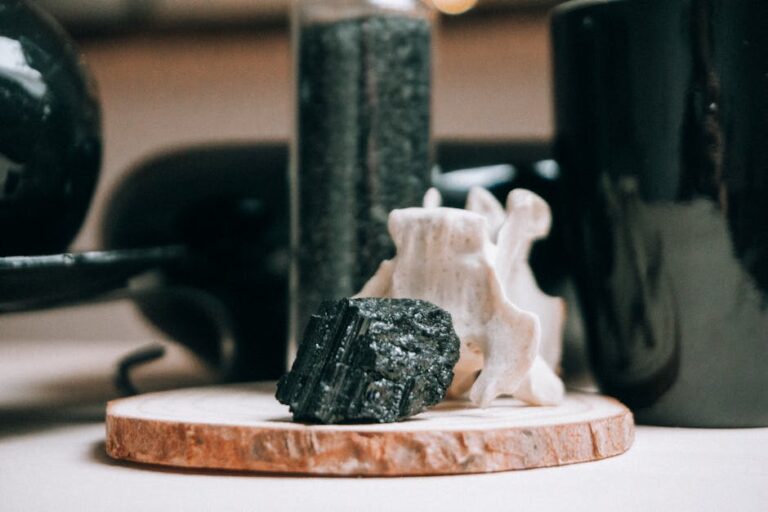
| Black Tourmaline | 7–7.5 | ✓ Yes | Excellent choice for energetic cleansing baths |
| Agate | 6.5–7 | ✓ Yes | Very durable; a reliable all-around choice |
| Snow Quartz | 7 | ✓ Yes | Same family as clear quartz; equally safe |
Water-Safe Crystals from Energy Muse
These crystals are fully safe for water rituals, elixirs, and baths — hand-selected for quality and energetic potency.


The Quartz Family: Your Safest Bet
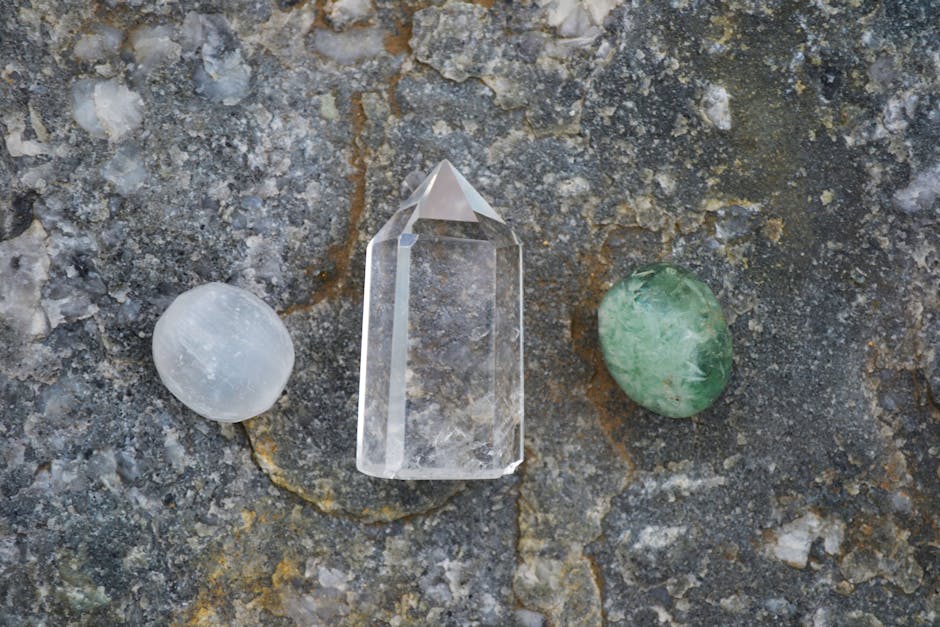
If you’re ever unsure, start here. Clear quartz, rose quartz, amethyst, citrine, aventurine, and snow quartz all share the same silicon dioxide base — chemically stable in water and hard enough to resist pitting or crumbling. I reach for a simple tumbled clear quartz when I want a reliable, versatile stone for my morning water ritual, because there’s zero doubt about its safety and it works beautifully with any intention.
Aquamarine is another crystal I’m always happy to recommend for water work. Its very name means “water of the sea,” and with a hardness of 7.5–8, it’s one of the most water-durable crystals you’ll find. There’s something poetic about using it in water rituals too — it carries a natural flow energy that deepens the whole practice. I go into its full range of healing properties in my aquamarine meaning and properties guide if you’re drawn to working with it.

The ultimate water-safe crystal in a stunning diamond cut. Clear quartz is the gold standard for gem elixirs — chemically stable, energetically versatile, and powerful enough to amplify any intention you charge it with.
Shop at Energy Muse →Crystals That Should Never Go in Water
This is the section I really want you to save. These crystals either dissolve, rust, splinter, or — in some cases — release genuinely harmful substances when exposed to water. Some are obvious once you know; others surprise even experienced collectors.
| Crystal | Mohs Hardness | Why It’s Unsafe |
|---|---|---|
| Selenite | 2 | Dissolves in water — will crumble and pit over time |
| Malachite | 3.5–4 | Leaches copper into water; potentially toxic if ingested |
| Pyrite | 6–6.5 | Oxidizes in water; can produce sulfuric acid |
| Fluorite | 4 | Porous and fragile; can release fluorine compounds |
| Calcite | 3 | Dissolves slowly; will etch, cloud, and degrade |
| Angelite | 3.5 | Converts to gypsum when wet; loses form entirely |
| Celestite | 3–3.5 | Brittle and water-soluble; crumbles over time |
| Lepidolite | 2.5–3 | Contains lithium; flakes apart in water |
| Chrysocolla | 2–4 | Highly porous; often contains copper compounds |
| Turquoise | 5–6 | Porous and often treated; water warps color and structure |
| Labradorite | 6–6.5 | Borderline hardness; moisture weakens internal cleavage |
| Kyanite | 4.5–7 | Variable hardness along axes; can splinter unexpectedly |
| Azurite | 3.5–4 | Toxic copper compound; never use in elixirs |
| Cinnabar | 2–2.5 | Contains mercury — extremely toxic. Keep far from water. |
Selenite deserves a special callout here — it’s probably the most commonly damaged crystal in water work, and it surprises so many people because it looks so solid and luminous. The good news is it doesn’t need water to be cleansed. My clear quartz vs selenite guide covers the best ways to use both stones safely, including cleansing methods that won’t destroy your selenite.
The Crystals That Can Actually Be Toxic
I want to be direct about this because “the crystal will get damaged” is a very different situation from “this could harm you.” Malachite, azurite, chrysocolla, and pyrite can all release copper or sulfur compounds into water. Cinnabar contains mercury, which is seriously toxic even in trace amounts. These should never be used in direct-contact gem elixirs or skin-contact baths — full stop.
If you’re working with any of these crystals and still want their energy in water, use the indirect method — place the crystal inside a sealed glass jar, then submerge that jar in a bowl of water. The water picks up the energetic imprint without any physical contact. I walk you through the full process in the next section.
For water-safe protective crystals, black tourmaline and clear quartz give you powerful shielding and cleansing energy without any of the water safety concerns — they’re my first recommendations whenever someone wants to set up a protective bath ritual.
Cleanse Without Water — Dry Alternatives
Not every crystal can handle water. These tools let you cleanse, charge, and protect your water-sensitive stones safely — no moisture required.


How to Make a Safe Crystal Elixir at Home
Making a crystal elixir — sometimes called gem water — is one of the most accessible ways to weave crystal energy into your daily routine. There’s a right way and a very wrong way to do it. Here’s exactly what I do.
The Direct Method (safe crystals only):
- Choose a water-safe crystal from the list above. Clear quartz is my go-to for beginners — it’s safe, versatile, and easy to find.
- Wash the crystal thoroughly under cool running water with a soft brush.
- Place it in a clean glass bowl or pitcher — not plastic or metal.
- Fill with filtered or spring water and set a clear intention for what you want this water to carry.
- Leave it in sunlight for 2–4 hours, or overnight in moonlight. Moonlight is gentler and my personal preference.
- Remove the crystal and drink the water within 24 hours.
The Indirect Method (for everything else):
- Place your crystal inside a small sealed glass jar or vial.
- Submerge the sealed jar in a bowl of water.
- Set your intention, charge it in sunlight or moonlight, then drink the outer water as you would with the direct method.
Honestly, I use the indirect method for most of my own practice now — it removes all doubt and means I can work with virtually any crystal safely, including gorgeous-but-risky stones like malachite and celestite. One more thing: always check your crystal for cracks before water work. Even safe stones can harbor bacteria in microfractures. If your stone is visibly damaged, retire it from water rituals.
Crystal Bath & Ritual Essentials
Water-safe crystals perfect for bath rituals, body layouts, and daily energy work — each one safe to rinse and reuse.


Crystal Baths: How to Do Them Right
A crystal bath is one of my absolute favorite rituals — there’s something deeply luxurious about soaking in water that’s been intentionally charged. But the same rules apply here, maybe even more so, because your skin is absorbing whatever is in that water.
For baths, I stick to the quartz family and other confirmed water-safe stones. My personal formula for a deep relaxation bath: rose quartz for self-love, amethyst for calm, and clear quartz to amplify both. I place them around the edge of the tub rather than directly in the water when I’m uncertain about a stone’s surface finish — many polished or dyed crystals have coatings that can degrade and leave residue.
A few things that make your crystal bath both safer and more effective:
- Stick to tumbled stones. Raw or rough specimens have more surface area and tiny crevices that harbor bacteria.
- Clean your crystals before every bath. A quick rinse under cool water and a few hours in sunlight before you begin.
- Trust placement over submersion. Sometimes having crystals on the rim or windowsill near the bath carries just as much energy — without the wear and tear on your stones.
- Never use a crystal you can’t positively identify. If you’re not certain what it is, keep it dry until you know.
For more on creating a crystal sanctuary in your personal space, my guide to crystals for the bedroom covers some of my favorite combinations for rest and restoration. And if you’re working through emotional healing alongside your water rituals, the crystals for breakup healing post includes some beautiful bathing ritual suggestions that I’ve seen work wonders.
As Crystals for Beginners reminds us, not all crystals are appropriate for water-based practices — and it’s a reminder worth coming back to every time you set up a new ritual, no matter how experienced you become.
Crystal Water Essentials on Amazon
Hand-picked essentials for safe crystal water work — from gem water bottles to bath ritual sets.


Frequently Asked Questions
Can I put rose quartz in water?
Yes — rose quartz is one of the safest crystals for water work. It belongs to the quartz family with a Mohs hardness of 7, which makes it durable enough for rinsing, gem elixirs, and crystal baths without releasing any harmful compounds. It’s actually one of my top recommendations for self-love water rituals specifically.
Just give it a good rinse before and after use, and check the surface for visible cracks — rose quartz sometimes has internal fractures that can harbor bacteria over time if not properly cleaned.
Can selenite go in water?
No — please keep selenite away from water entirely. It’s a form of gypsum with a Mohs hardness of only 2, which means it will literally dissolve when submerged. Even brief or repeated exposure to moisture can cause it to become pitted and eventually crumble apart.
The good news is that selenite is one of the few crystals that’s considered energetically self-cleansing, so it never needs water anyway. Use moonlight, sound, or a dry selenite charging plate to keep it clear and vibrant.
What is the indirect method for making a crystal elixir?
The indirect method means placing your crystal inside a sealed glass jar or small vial, then submerging that container in a larger bowl of water. The water charges with the crystal’s energetic imprint without any direct physical contact — so you get the benefits without the risk of leached minerals or dissolved compounds.
This is my preferred method whenever I’m working with crystals I’m uncertain about, including malachite, fluorite, or any stone without a clear water-safety rating. It removes all the guesswork and makes virtually any crystal usable for water work safely.
Is obsidian water-safe?
Obsidian sits in a gray zone — it’s volcanic glass with a hardness of around 5–5.5, which is lower than ideal but generally tolerates brief water exposure without dissolving or releasing toxins. I’m comfortable rinsing obsidian or using it at the edge of a bath, but I wouldn’t soak it overnight or use it in a drinking elixir.
If you want obsidian’s protective energy in water work, the indirect method is the cleanest approach. For more on how obsidian compares to other protective stones, my black tourmaline vs obsidian guide covers the key differences in depth.
Where can I buy water-safe crystals for elixirs and baths?
Your best options are reputable crystal shops — either local metaphysical stores or established online retailers that specialize in crystals and clearly label their specimens. Look for sellers who can tell you whether a stone has been treated, dyed, or coated, since those surface treatments can affect water safety even on otherwise safe stones.
When in doubt, start with the quartz family. Clear quartz, rose quartz, and amethyst are widely available, very affordable, completely reliable for water-based practices, and powerful enough to carry almost any intention you bring to them.
Sources & References
We may earn a commission from links on this page at no extra cost to you. This helps us keep CrystalsAlchemy running.
This article was originally published on