Ethical Crystal Sourcing: Where Do Your Crystals Really Come From?
Ethical Crystal Sourcing — done right — changes everything about your crystal practice. This guide walks you through the exact process step by step, from preparation to integration, so you get real results instead of just going through the motions.
The Crystal Industry Has a Hidden Problem
Here’s something I had to sit with early in my practice: the gorgeous smoky quartz sitting on my altar — I genuinely had no idea where it came from. Not the country, not the mine, not whether the person who pulled it from the earth was paid fairly or worked in safe conditions. And honestly? Most crystal sellers don’t know either.
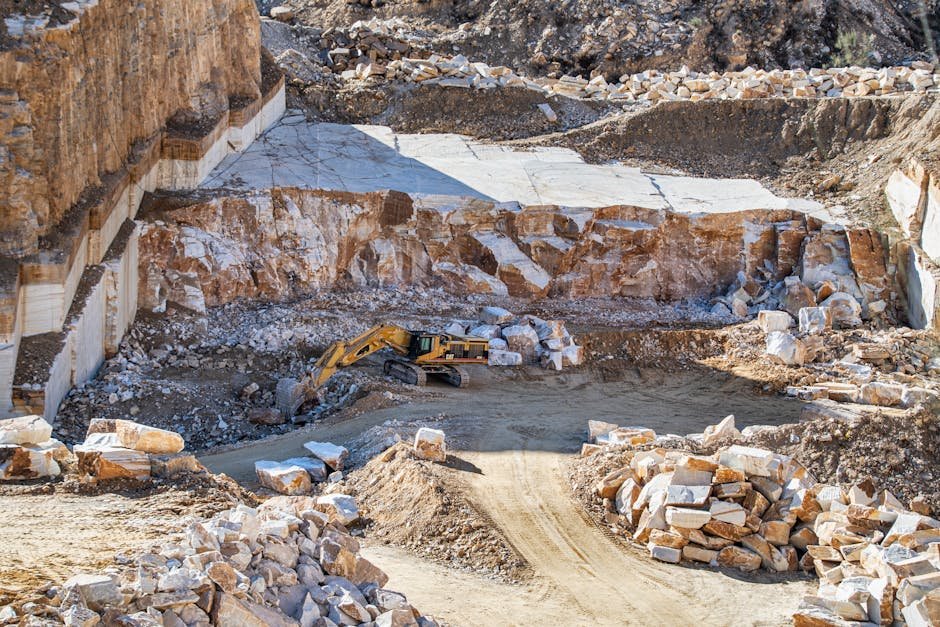
Ethical crystal sourcing is the most important conversation happening in the crystal community right now, and it’s been a long time coming. Here’s the reality that stopped me cold when I first learned it: most crystals pass through four to six middlemen between the mine and your hands. A local broker. A regional wholesaler. An international importer. A trade show distributor. A retailer. By the time a stone reaches your altar, its origin story has been scrambled almost beyond recognition.
I’m not telling you this to make you feel guilty about your collection — trust me, I had to work through that myself. But I believe that how we acquire our crystals matters. The intention we bring to sourcing is part of the energy we’re inviting in. And the more of us who start asking questions, the more this industry has to answer them.
So let’s talk about where your crystals really come from — and what you can actually do about it.
Where Do Crystals Actually Come From?
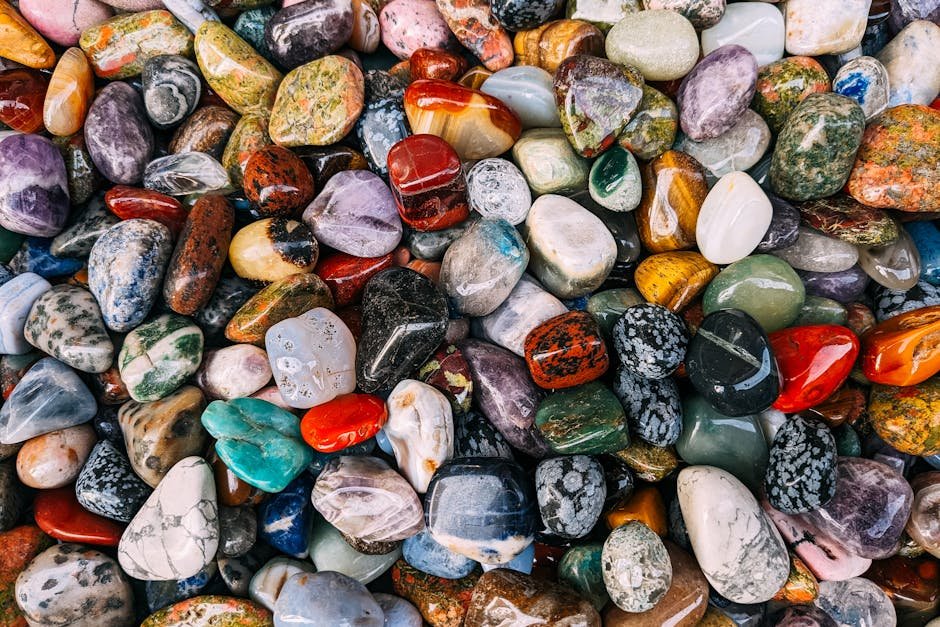
When you ask where do crystals come from, the geographic answer is: everywhere. Brazil is famous for amethyst, citrine, and tourmaline. Madagascar produces stunning labradorite, rose quartz, and celestite. Myanmar (Burma) is a major source for ruby and jade. The Democratic Republic of Congo yields malachite and azurite. Afghanistan supplies lapis lazuli. China is a powerhouse for quartz and fluorite. India, Bolivia, Peru — nearly every continent has significant crystal deposits.
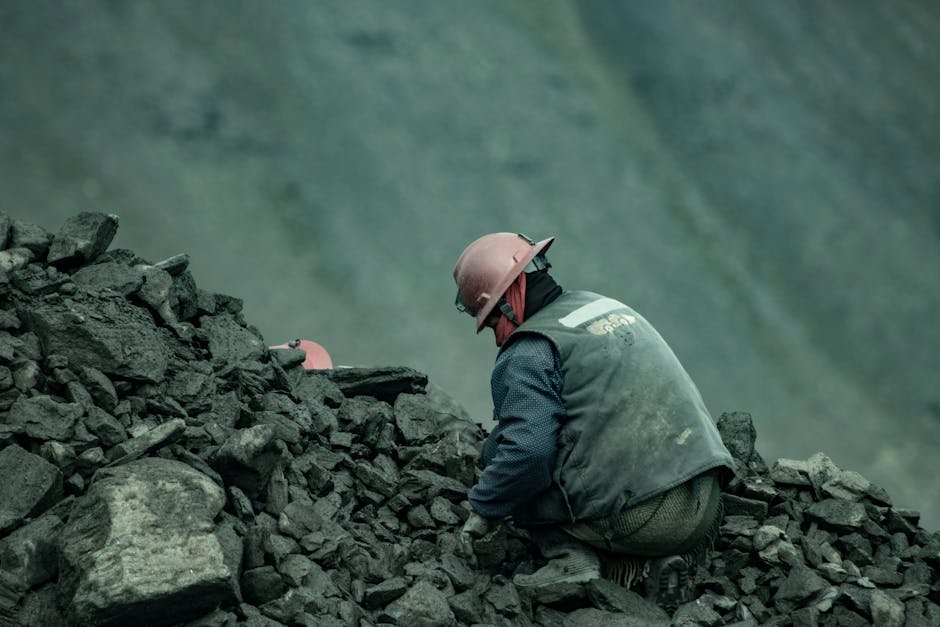
The conditions in these mines? That’s where it gets complicated. Some operations are small, family-run quarries where two or three generations have worked the same hillside, know their land intimately, and earn a decent living. These are often the sources behind the most exceptional crystals — the ones that feel different when you hold them.
But a significant portion of the global crystal supply comes from large-scale industrial mines where worker protections are minimal, wages are poverty-level, and environmental oversight is weak or nonexistent. Research into the quartz mining and crystal healing market (Crystallizing Value, UC Berkeley) highlights how the explosive growth of wellness culture has dramatically increased pressure on mining communities — often in ways that are completely invisible to end consumers browsing a beautiful website or crystal shop.
There’s an environmental dimension too. Irresponsible mining devastates local ecosystems, contaminates water sources, and can leave communities economically and ecologically worse off than before extraction began. When we talk about crystals carrying earth energy, it’s worth sitting with what happened to that earth in the process.
This isn’t a reason to stop loving crystals. It’s a reason to love them with more awareness.
Crystal Picks from Energy Muse
Hand-selected crystals chosen for quality and energetic potency — each one sourced with care.


The Middleman Problem: Why Crystal Origins Are Hard to Trace
The reason ethical crystal sourcing is so complicated isn’t usually dishonesty — it’s structural opacity. By the time a crystal reaches a retailer, it’s typically passed through a chain that looks something like this:
- Artisanal or industrial miner — extracts rough stone from the earth
- Local broker — buys from multiple miners, aggregates material
- Regional wholesaler — may route stones to cutting and polishing facilities
- International importer — brings polished or raw material into consuming countries
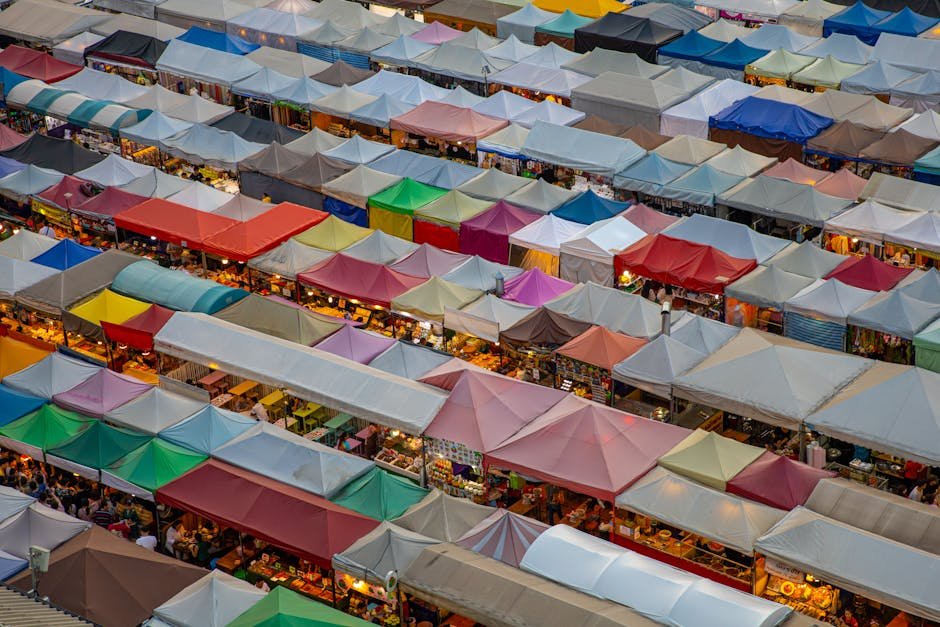
- Trade show distributor — sells in bulk to retailers
- Retailer — sells to you
Here’s where it breaks down: at steps two and three, mixing happens constantly. Brazilian amethyst from five different mines gets consolidated into one lot. “Madagascar rose quartz” becomes simply “rose quartz” with a vague country label. Any documentation that existed at the mine level doesn’t follow the stones through this chain — it gets lost at the first handoff.
By the time a seller tells you “this came from Brazil,” they may genuinely believe that. But they’re repeating what their importer told them, who was repeating what their broker told them. The information degraded at every step.
This is why I’m skeptical of sweeping sourcing claims. A seller who says “all our crystals are ethically sourced” without being able to tell you how they verified that is, at best, passing along faith-based assurances. The sellers I trust are the ones who say: “Here’s what we know, here’s how we verified it, and here are the gaps we’re still working on.” Honesty about limitations is actually a green flag.

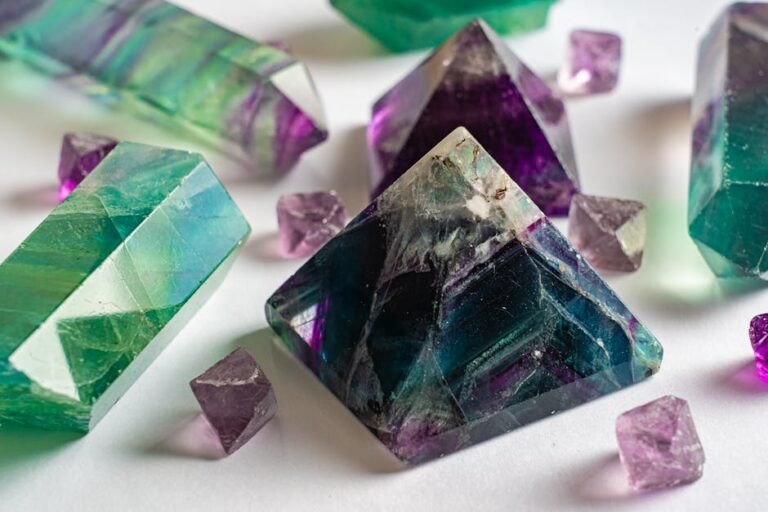
A standout amethyst piece from Energy Muse — hand-selected for its energetic quality and connection to healing. This is the kind of piece that anchors a collection and deepens your daily practice.
Shop at Energy Muse →What Ethical Crystal Sourcing Really Means
The phrase “ethically sourced” gets used so loosely in the crystal world that it’s nearly lost meaning. Let’s break down what genuine ethical crystal sourcing actually involves — and what it doesn’t.
Meaningful ethical sourcing typically includes:
- Verified origin — traced to a specific mine or region, not just a continent
- Fair wages — miners and cutters paid living wages, not exploitative rates
- No child labor — independently verified through direct relationships, not just claimed on a website
- Safe working conditions — proper protective equipment, no dangerous chemical exposure, no tunnel collapses covered up
- Environmental responsibility — mining practices that minimize ecosystem disruption and commit to land restoration
- Direct or near-direct supplier relationships — seller has actually met or communicated with their sources, not just placed orders through a third party
Greenwashing, by contrast, tends to look like: beautiful nature photography paired with vague claims about “loving the earth,” certificates from organizations with no transparent verification process, and language that sounds good but commits to nothing specific.
Here’s the honest reality I’ve had to make peace with: there is no crystal that is 100% verifiably ethical right now. The supply chain infrastructure simply doesn’t exist industry-wide. But there is a vast spectrum between “we genuinely have no idea” and “we’ve visited this mine, know the family running it, and were there last year.” Responsible sellers operate toward that second end — and they’re willing to talk about it in specific, concrete terms, not marketing copy.
If you’re building your first intentional collection and want to start with purpose, my guide to crystals for new beginnings can help you choose wisely — apply the sourcing principles here when you shop for them.
Healing Tools & Jewelry
Wearable crystal energy and healing tools — designed to keep your intentions close throughout the day.


Your Practical Guide to Ethical Crystal Sourcing
Alright, let’s get practical. When you’re standing in a crystal shop or scrolling through a seller’s website, here’s what to look for — and what should give you real pause.
| Green Flags ✓ | Red Flags ✗ |
|---|---|
| Names specific mines, regions, or suppliers | Vague language: “naturally sourced,” “earth-friendly,” “consciously curated” |
| Has visited suppliers or has multi-year direct relationships | Cannot explain how they verified sourcing claims when asked directly |
| Prices reflect the true cost of fair labor | Rock-bottom pricing that simply cannot account for living wages |
| Transparent about what they don’t yet know | Claims perfect ethical sourcing across their entire inventory |
| Works directly with artisanal or small-scale miners | Sources exclusively through anonymous trade shows or wholesale catalogs |
| Shares real supplier stories, photos, and names | Generic stock imagery of unidentified “mines” or happy workers |
Price is a real signal here, and I want to be direct about it. If a large polished amethyst cluster costs $12, think through the economics: someone extracted it, someone polished it, multiple people transported it across borders, and a retailer took their margin — and after all of that, it’s $12? Somewhere in that chain, someone is not being paid fairly. Good crystals from genuinely ethical sources cost more. Not because ethical sellers are gouging you, but because human dignity has an actual price.
For gifting, look for sellers who can speak specifically to sourcing when you’re browsing crystal healing gift sets — the transparency of a vendor says a lot about what you’re actually giving. And if you love the subscription model, some of the better crystal subscription boxes have made sourcing transparency a genuine part of their identity. It’s worth asking before you subscribe.
In my own practice, I’ve narrowed down to a short list of sellers I genuinely trust — maybe five or six total. That limitation is actually freeing. When a seller knows your name and you know theirs, the chain gets shorter, cleaner, and the crystals feel different for it.

A standout amethyst piece from Energy Muse — hand-selected for its energetic quality and connection to spirituality & faith. This is the kind of piece that anchors a collection and deepens your daily practice.
Shop at Energy Muse →Progress, Not Perfection: Starting Your Ethical Crystal Practice
I want to end with the most important thing I’ve learned about ethical crystal sourcing: it’s a practice, not a destination. You will never arrive at a place where every crystal in your collection has a perfectly verified origin story. That’s not a realistic goal right now — and chasing it will just make you miserable.
The goal is to make slightly more conscious choices over time. To start asking questions. To build relationships with sellers who take sourcing seriously. To let your purchasing power vote for the kind of industry you want to exist.
If you already have a collection built before you knew any of this — those crystals are here. Their energy is real. The most healing thing you can do with past purchases is let them be, and let your future choices reflect your evolving values. Guilt isn’t a useful energy to bring to your practice.
Start small. Next time you buy a crystal, ask one question: “Where exactly does this come from?” Notice how the seller responds. Someone who knows their supply chain will answer with specificity and enthusiasm. Someone who doesn’t will get vague or defensive. That response — or its absence — tells you everything.
The crystal community has enormous collective purchasing power. When enough of us redirect our spending toward transparent, accountable sellers, the economics of the supply chain begin to shift. Miners get paid fairly. Environmental standards improve. Origin documentation becomes a competitive advantage rather than an afterthought.
That’s the transformation I’m working toward in my practice. And honestly? It feels like exactly the kind of energy our crystals want to be part of.
More from Energy Muse
Additional healing crystals and tools to deepen your practice — each piece hand-selected for quality and intention.


Frequently Asked Questions
How can I tell if a crystal is truly ethically sourced?
The most reliable way is to ask the seller directly and pay close attention to how they answer. A seller with genuine sourcing transparency will give you specific information — mine names, regions, supplier relationships — not just reassuring language like “we care about the earth.” If they can’t tell you where a specific stone came from beyond a vague country of origin, they don’t have real visibility into their supply chain.
Look for sellers who acknowledge the limits of their knowledge alongside what they do know. That kind of honesty is actually more trustworthy than sweeping claims of complete ethical sourcing, which no seller can genuinely guarantee right now.
Which crystals have the most problematic supply chains?
Stones mined in conflict regions or with surging demand tend to carry the highest risk. Malachite and coltan-adjacent minerals from the Democratic Republic of Congo, rubies and jade from Myanmar, and certain tourmalines from regions with limited labor oversight are worth extra scrutiny. High-demand stones that have seen dramatic price surges — like moldavite — have also attracted opportunistic sellers with zero supply chain transparency.
That said, problematic sourcing can exist in any crystal category. The country of origin matters less than whether the specific seller has actual visibility into their supply chain. Always ask questions regardless of the stone.
Where can I buy ethically sourced crystals?
Your best bets are small independent sellers who have direct or near-direct relationships with their sources — often found at reputable gem shows, through independent online shops with detailed sourcing pages, or through curated subscription services that have made sourcing a core part of their brand. Local metaphysical shops with knowledgeable, long-tenured owners are another strong option, since they’ve often built supplier relationships over many years.
When shopping online, look for sellers who publish specific sourcing information on individual product pages — not just a general “ethically sourced” statement buried on an About page, but actual detail about where a specific stone originated and how they know. That level of specificity is the signal you’re looking for.
Are crystals sold at chain stores or large retailers ethically sourced?
In general, large retailers and chain stores are the least likely to have meaningful supply chain transparency. They source at volume through intermediaries, which means origin information is typically unavailable — and the constant pressure to keep prices low works directly against fair labor practices. This doesn’t mean every crystal from a big retailer was sourced unethically, but it does mean you have essentially no way to verify one way or the other.
If you’re buying crystals from a large retailer, do it with eyes open. Enjoy those stones, but as your practice deepens, consider gradually redirecting your spending toward sellers who can actually account for where their crystals came from.
Does a higher price guarantee ethical crystal sourcing?
Price is a meaningful signal, though not a guarantee. Genuine ethical sourcing — fair wages, safe working conditions, environmental responsibility — has real costs that should be reflected in what you pay. When a large, polished crystal cluster sells for just a few dollars, someone in that supply chain was not compensated fairly. That math simply doesn’t work otherwise.
That said, high prices alone don’t confirm ethical sourcing — some sellers charge premium rates while still sourcing through opaque intermediaries. Use price as a first filter to rule out the most exploitative supply chains, then always follow up with specific questions about how and where a stone was sourced.
Sources & References
Crystal Healing Audiobooks
Listen to audiobooks on crystal healing, meditation, and spiritual growth. Start your free Audible trial today.
We may earn a commission from links on this page at no extra cost to you. This helps us keep CrystalsAlchemy running.
This article was originally published on